India Rejects China-Pakistan Kashmir Claims
New Delhi warns Beijing and Islamabad on Kashmir territory.
Model Diplomat3 min readAsia
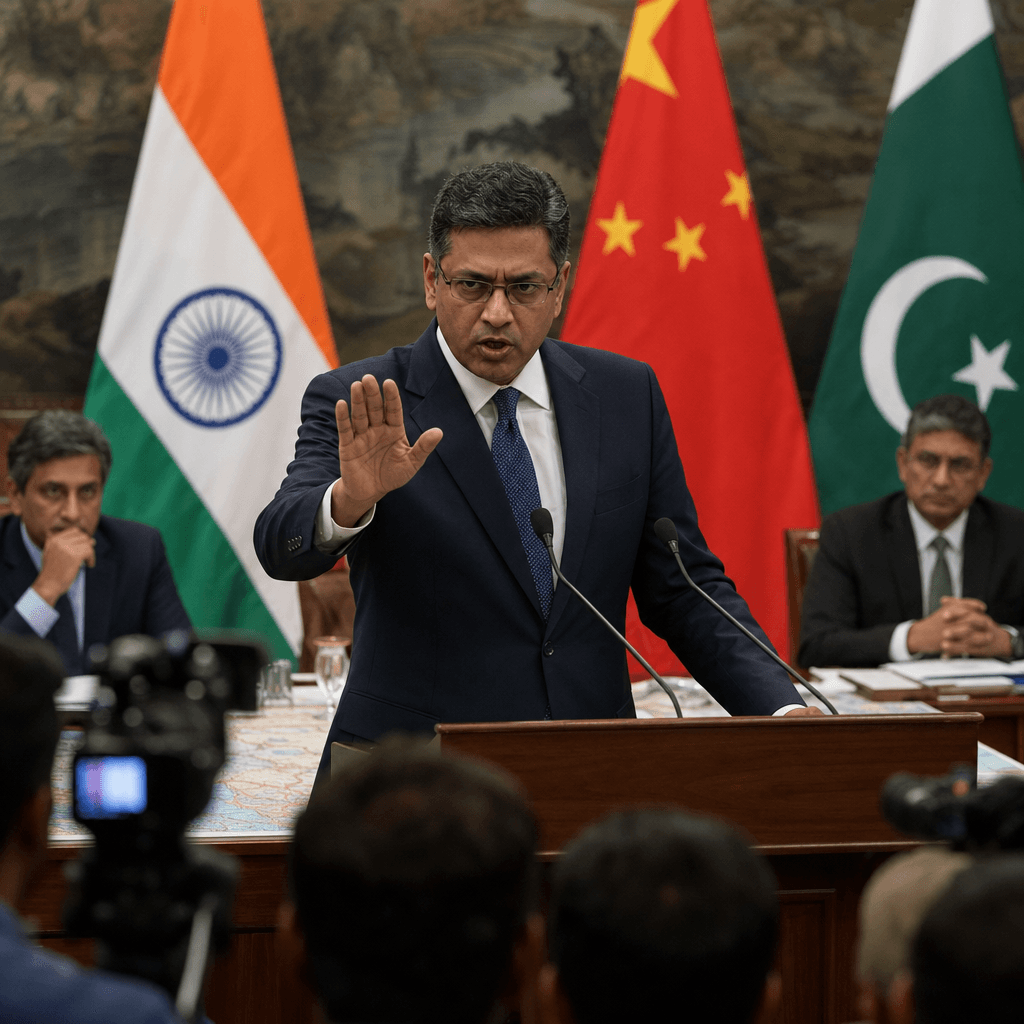
India Rebukes China-Pakistan Kashmir Line
New Delhi is drawing a hard boundary around Kashmir and CPEC, warning Beijing and Islamabad that neither can legitimise claims on territory India says is settled.
India has rejected a China-Pakistan joint statement that referenced Jammu and Kashmir, Ladakh and the China-Pakistan Economic Corridor, with the Ministry of External Affairs saying the references were “unwarranted” and that the Union Territories “have been, are and will always remain integral and inalienable parts of India” (Indian Express). The statement was issued as Pakistan Prime Minister Shehbaz Sharif concluded a four-day visit to China, during which Beijing and Islamabad also referred to Kashmir as a dispute that should be resolved peacefully and endorsed further cooperation, including on “trans-boundary water resources” (
APP).
The leverage is diplomatic, not military
This is not just a ritual protest. India is responding to a coordinated signal from China and Pakistan that folds Kashmir into a broader bilateral agenda, including CPEC, water, and regional security (Indian Express;
APP). By rejecting the statement immediately and publicly, New Delhi is trying to deny Beijing and Islamabad any appearance of third-party endorsement on a sovereignty dispute India treats as closed.
That matters because China is not speaking as a neutral bystander. The joint language keeps Beijing aligned with Islamabad on an issue central to India’s core territorial claims, while also keeping the China-Pakistan partnership politically useful for both sides. Pakistan gets external validation for its Kashmir line; China gets a loyal regional partner that reinforces its strategic footprint in South Asia.
For readers tracking the wider regional contest, this fits the pattern covered on International and
India: diplomacy is being used as leverage, not as a path to compromise.
CPEC is the sharper red line
The Kashmir wording is familiar. The more consequential piece is the CPEC reference. India says some CPEC projects run through territory it considers its own and therefore rejects any move that “reinforce[s] or legitimise[s] Pakistan’s illegal occupation” (Indian Express). That language is important because it tells Beijing that the dispute is no longer only about statements; it now touches infrastructure, connectivity, and China’s long-term presence in disputed areas.
The water language is also a signal worth watching. Pakistan and China said they were ready for “trans-boundary water resources cooperation” (APP), but India says the two countries do not even share a boundary, making the phrase mostly political theater. Still, the wording shows how Kashmir is being linked to a wider set of strategic anxieties, including rivers, infrastructure and sovereignty.
What to watch next
The next pressure point is whether Beijing repeats this language in future joint texts or tries to soften it to limit the fallout with New Delhi. India will likely keep answering with the same formula: no third-country role on Jammu and Kashmir, no legitimacy for CPEC in territory it claims, and no ambiguity on sovereignty (Indian Express). The key date is the next round of India-China diplomatic engagement, where this will test whether the bilateral thaw can survive the Pakistan factor.
Discover more
India
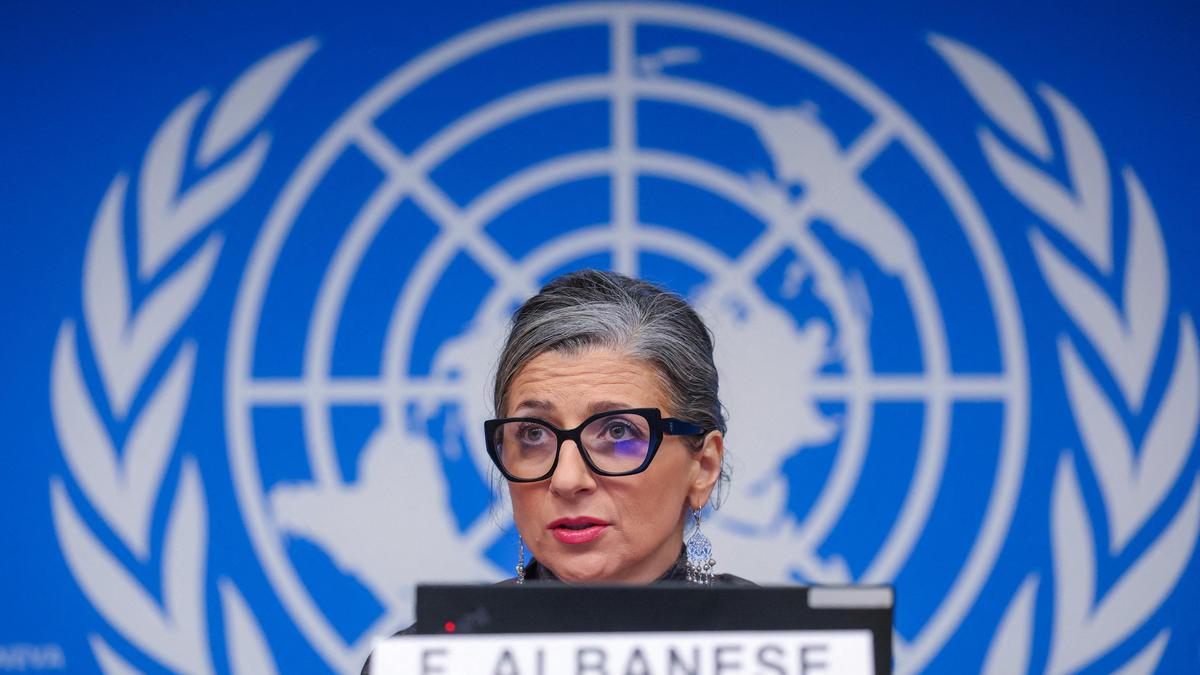
UN Expert Albanese: India Violates Law
UN Rapporteur Francesca Albanese accuses India of breaching international law, spotlighting human rights concerns in Kashmir and prompting diplomatic pushback.

India
India-South Korea $50B Trade Expansion Plan
India and South Korea target $50 billion in bilateral trade by 2030, focusing on industrial cooperation and strategic alignment amid US pressures.

Conflict & Security
Drone Warfare Killing Aid Workers at Unprec
Over 1,000 humanitarian workers killed in three years as cheap armed drones collapse legal protections. Gaza, Sudan, Ukraine, and DRC see deliberate targeting of aid convoys and hospitals with zero prosecutions.
Global
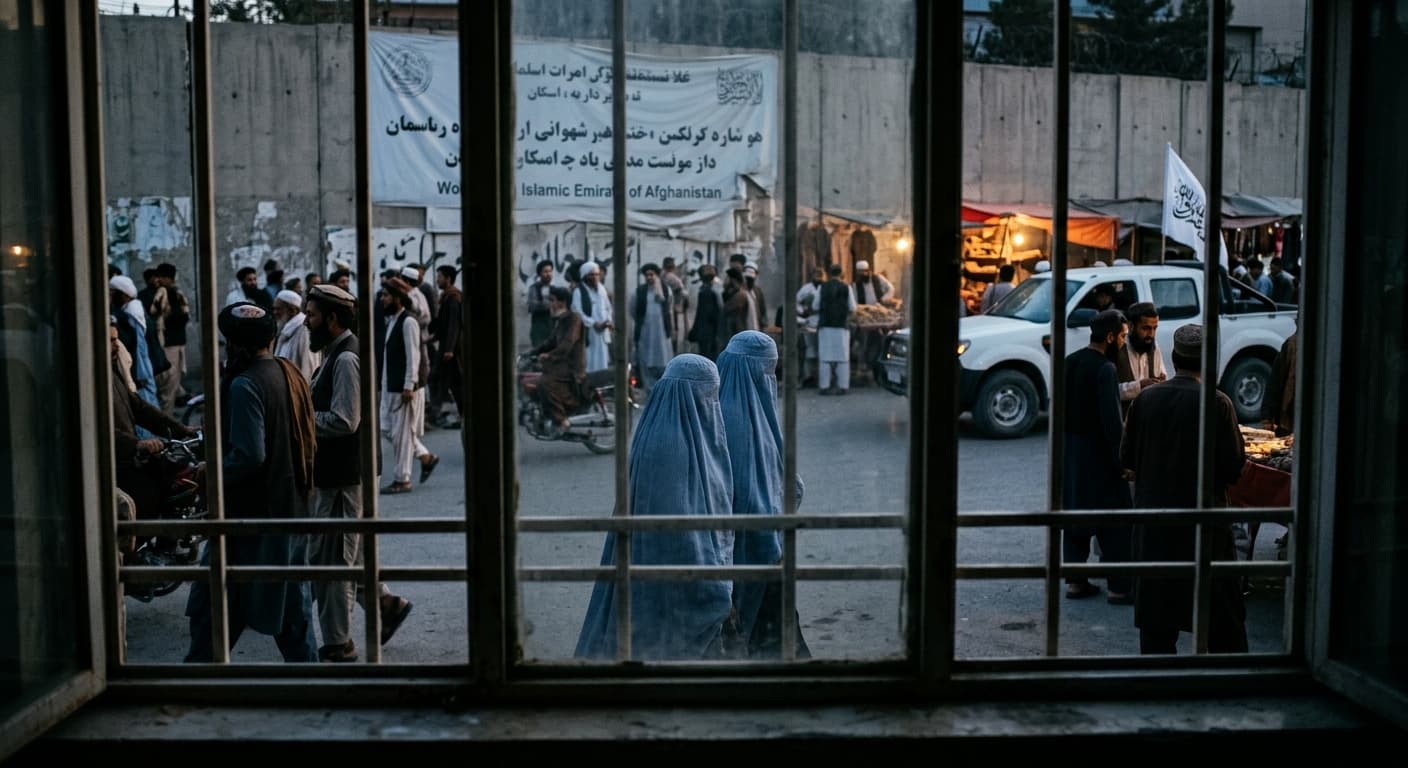
World Normalises Taliban as Afghan Women Eras
UN data shows Afghan women erased from public life as Russia recognises the Taliban, EU hosts officials in Brussels, and ICC warrants for gender persecution go unenforced.