India Cuts Cotton Import Duty to Aid Mills
New Delhi's move aims to ease textile costs amid rising prices.
Model Diplomat2 min readAsia
India’s Cotton Duty Cut Buys Time for Mills
New Delhi is poised to drop the 11% cotton import duty to curb textile costs, but the move shifts pressure onto farmers unless supply tightens fast.
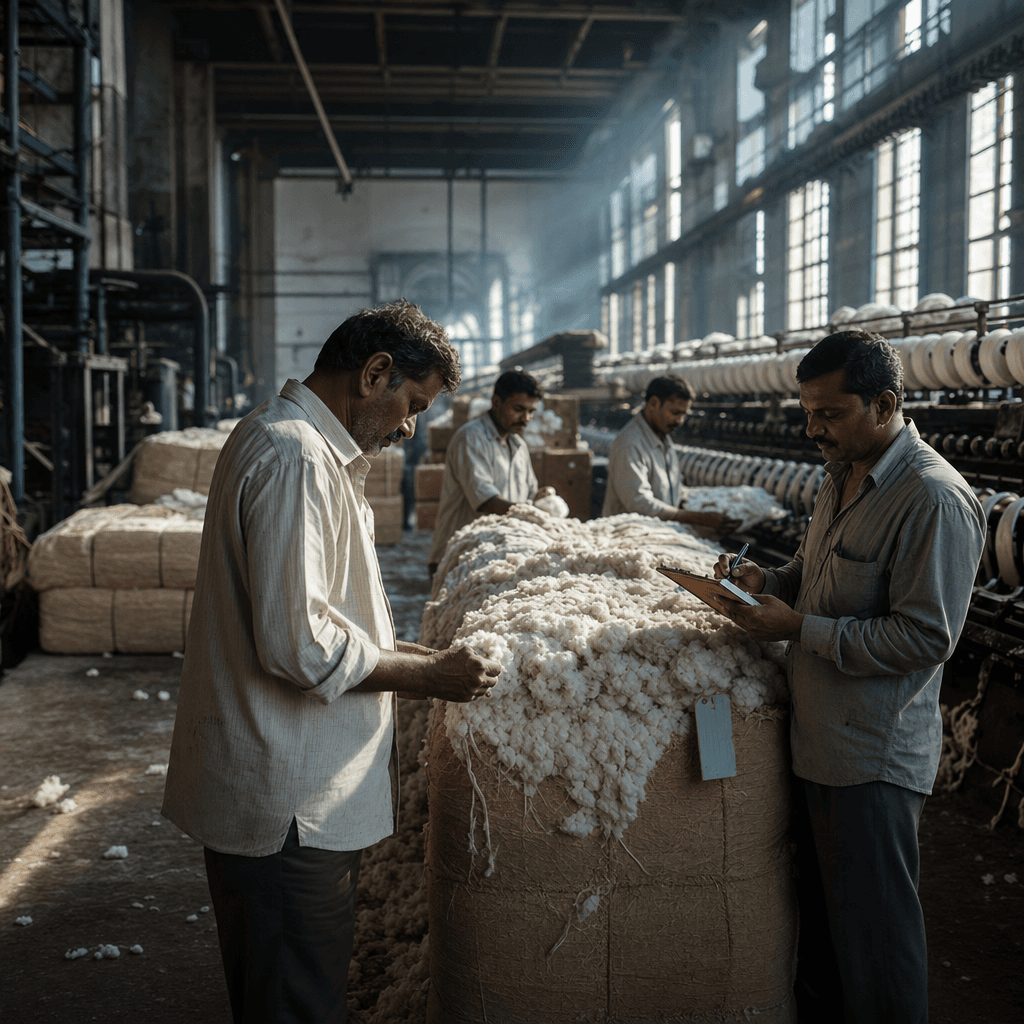
The Centre is likely to remove the 11% customs duty on raw cotton until October, as officials move to cushion textile manufacturers from higher input costs linked to the West Asia shock, according to The Indian Express. Industry sources told the paper that cotton prices have risen 10-15% in the past month, while fuel and polyester costs are also climbing as global crude filters into domestic prices.
The Economic Times reported that the government is already in an “advanced stage of consultation” with the finance, textiles and agriculture ministries, and that a decision could come soon.
Why this matters now
This is not a broad trade reform; it is a short-term relief valve for a sector under squeeze. India imports about 15% of its raw cotton and about 20% of its yarn, even though it is the world’s second-largest cotton producer after China, The Indian Express. That import dependence gives the government a lever when domestic prices spike. It is using that lever again after briefly removing the same duty in August-September 2025 when US tariffs were biting manufacturing,
The Indian Express. The policy pattern is clear: when exports or margins come under pressure, tariff relief becomes the fastest tool available.
Who benefits, who loses
The immediate winners are spinning mills, garment makers and exporters, especially in clusters such as Tiruppur that have been warning about raw material scarcity and margin compression. The Apparel Export Promotion Council has said India’s cotton requirement this year is about 337 lakh bales, against projected arrivals of 292.15 lakh bales, leaving a gap of nearly 45 lakh bales; The New Indian Express reported the industry has lobbied ministers directly on that basis. Lowering import duty would let mills source cheaper fibre and keep Indian yarn and apparel prices closer to competitors such as Bangladesh and Vietnam, which already enjoy lower input costs,
The Indian Express.
The losers are cotton growers, who will face a harder pricing environment if imports come in cheaper and faster. That is the political constraint on any full rollback. India can help exporters with one hand, but it cannot be seen as dumping pressure on farm incomes with the other. Expect the government to frame this as a temporary, calibrated measure rather than a permanent rewrite of cotton policy.
What to watch next
The next decision point is whether the finance and agriculture ministries sign off on a time-bound waiver, and whether the exemption is broad or restricted to specific import windows. Watch for the notification date, any quantity cap, and whether the Centre pairs the move with support for domestic growers before the next major cotton arrival cycle. If prices stay elevated through June, the pressure for a longer extension will rise fast.
Discover more

India
India-South Korea $50B Trade Expansion Plan
India and South Korea target $50 billion in bilateral trade by 2030, focusing on industrial cooperation and strategic alignment amid US pressures.

Conflict & Security
Drone Warfare Killing Aid Workers at Unprec
Over 1,000 humanitarian workers killed in three years as cheap armed drones collapse legal protections. Gaza, Sudan, Ukraine, and DRC see deliberate targeting of aid convoys and hospitals with zero prosecutions.

Global
World Normalises Taliban as Afghan Women Eras
UN data shows Afghan women erased from public life as Russia recognises the Taliban, EU hosts officials in Brussels, and ICC warrants for gender persecution go unenforced.

Conflict & Security
West Africa Food Crisis: Three Shocks in 2026
Conflict, climate extremes, and the Strait of Hormuz closure drive a severe food crisis in West and Central Africa, with fertilizer prices surging 80% and millions displaced.

