Hormuz Closure Sparks Global Food Price Alarm
FAO warns of potential food-price spike due to Hormuz tensions
Model Diplomat3 min readMiddle East
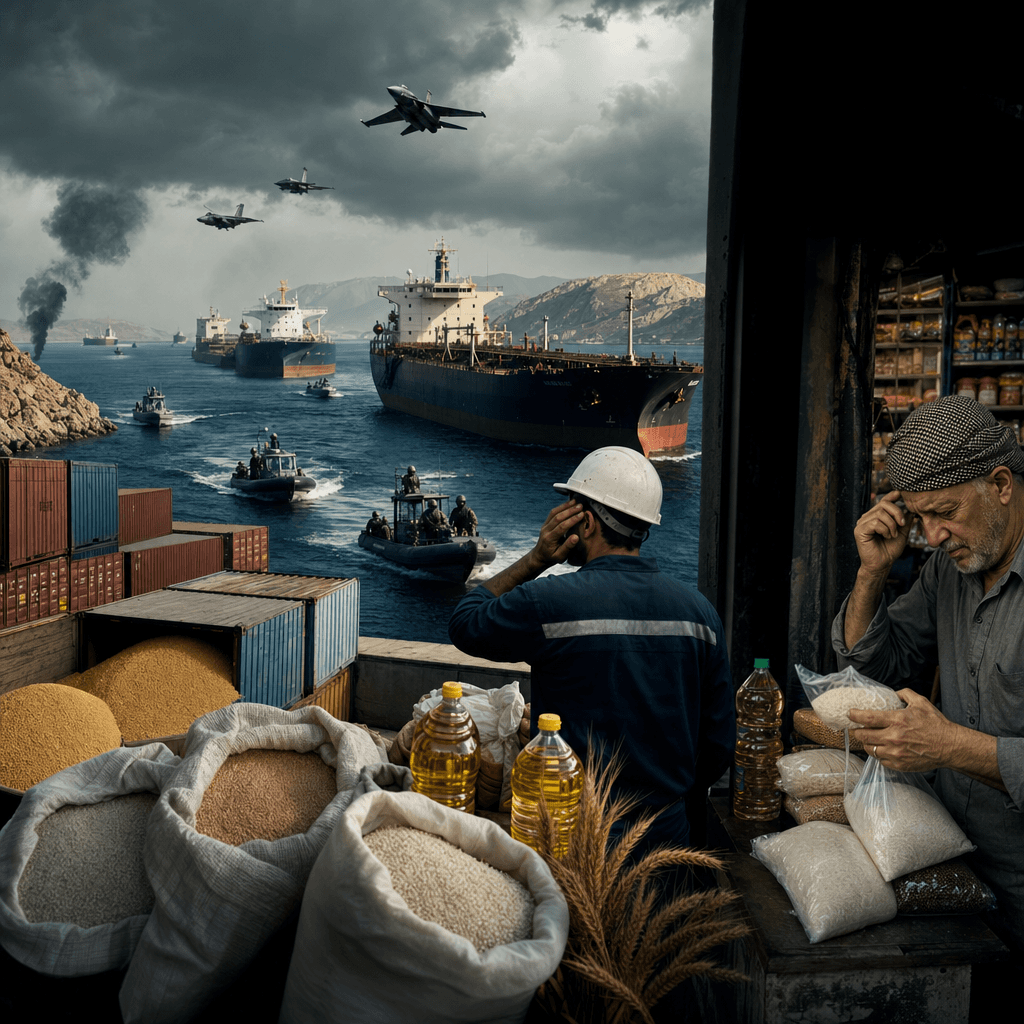
Hormuz Closure Threatens a Delayed Global Food Shock
FAO says Iran’s grip on Hormuz is already hitting inputs, not just oil, and warns the real food-price spike may arrive late this year or early next.
The leverage sits with whoever controls traffic through the Strait of Hormuz. The UN Food and Agriculture Organization warned on Wednesday that a prolonged closure could become a “systemic agrifood shock” and trigger a severe global food-price crisis within six to 12 months, Reuters reported (Reuters). The agency’s point is simple: this is not a temporary shipping glitch. It is a choke point on energy, fertilizer and agricultural inputs, and the cost shock will arrive in stages.
Why this matters
Hormuz matters because agrifood markets do not price the present; they price the next planting season. The FAO said the chain runs from higher energy costs to tighter fertilizer supply, then to lower yields, then to higher commodity prices and finally food inflation (Reuters). In other words, consumers may not see the full effect immediately, but farmers will feel it first.
That sequencing is what makes the warning more serious than a routine market bulletin. The FAO said the window for preventive action is “closing quickly” and urged governments, financial institutions and the private sector to secure alternative trade routes, avoid export restrictions on energy and fertilizers, and protect humanitarian flows (Reuters). That advice is aimed less at markets than at policy: if states start hoarding food, fertilizer or fuel, they will amplify the shock.
The scale of exposure is broad. Reuters reported that the FAO Food Price Index rose for a third straight month in April, driven by high energy costs and Middle East conflict-related disruption (Reuters). Al Jazeera added that before the disruption, about a fifth of global oil shipping and roughly a third of global fertilizer supply moved through the strait, which helps explain why the effect can spread from shipping lanes to bread prices months later (
Al Jazeera).
Who wins, who loses
The immediate winners are countries and firms sitting on stockpiles or alternative supply lines. The losers are import-dependent states with thin reserves, especially those that rely on Gulf fertilizer and fuel flows. That includes poorer countries with tight planting calendars, where delayed fertilizer access can quickly cut yields and raise inflation, according to Reuters’ account of the FAO warning (Reuters).
This is also where Global Politics matters more than commodity charts. Iran’s ability to constrain movement through Hormuz gives it bargaining power far beyond shipping; it can export pain into food markets without firing a shot at a supermarket. For Washington, the Gulf monarchies, and major food importers in Asia and Africa, the question is not whether the route is important. It is whether they can keep it open long enough to protect the next harvest.
What to watch next
Watch for three things: whether maritime traffic through Hormuz normalizes; whether major exporters impose new curbs on fertilizer or food shipments; and whether the FAO’s six-to-12-month warning starts showing up in planting data and import prices. The most important date is the next harvest cycle, not the next headline. If shipping stays restricted through summer, the food shock the FAO described is likely to become visible by year-end, and possibly sooner in fertilizer-dependent markets (Reuters;
Al Jazeera).
Discover more

Global Politics
US Seizes Iranian Ship, Tensions Surge
The US seizure of the Iranian ship Touska highlights a shift in control over the Strait of Hormuz, favoring Iran's strategic position.

Conflict & Security
Drone Warfare Killing Aid Workers at Unprec
Over 1,000 humanitarian workers killed in three years as cheap armed drones collapse legal protections. Gaza, Sudan, Ukraine, and DRC see deliberate targeting of aid convoys and hospitals with zero prosecutions.
Global
World Normalises Taliban as Afghan Women Eras
UN data shows Afghan women erased from public life as Russia recognises the Taliban, EU hosts officials in Brussels, and ICC warrants for gender persecution go unenforced.
Conflict & Security
West Africa Food Crisis: Three Shocks in 2026
Conflict, climate extremes, and the Strait of Hormuz closure drive a severe food crisis in West and Central Africa, with fertilizer prices surging 80% and millions displaced.