Hampshire & Isle of Wight Elections
Analyzing local election dynamics in Hampshire and Isle of Wight.
Model Diplomat5 min readEurope
Hampshire & Isle of Wight Elections: Unpacking Latent Power Shifts
Analysis of potential power dynamics in Hampshire & Isle of Wight local elections amidst evolving UK political landscape.
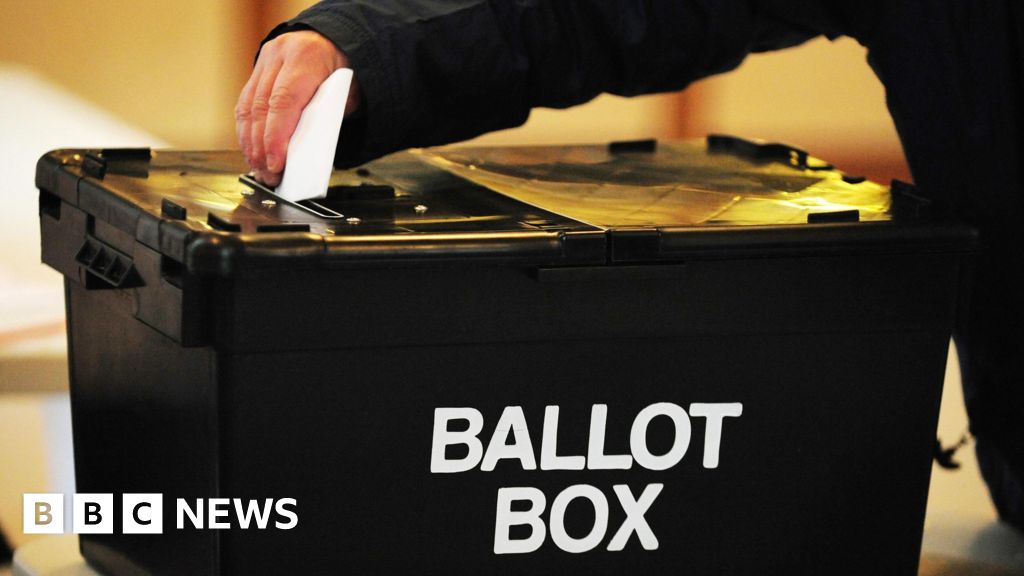
The latest forecasts for upcoming local elections in Hampshire and the Isle of Wight, as previewed by the BBC, signal a continuation of national political trends impacting local governance. The power dynamic leading into these elections is shaped by the Conservative Party's national standing and the Labour Party's ascendent position. Conservative councils, particularly in shire counties like Hampshire, have been under increasing pressure. The Isle of Wight, with its unique political structure and history of independent representation, presents a distinct arena where national trends might be amplified or deflected. The stakes involve control over critical local services and a barometer for voter sentiment ahead of the next
United Kingdom general election.
Conservative Vulnerability Amidst Shifting Demand
Following significant losses in May 2024 local elections across England, the Conservative Party faces a challenging environment. In Hampshire, a traditionally strong Conservative territory, recent results indicate a gradual erosion of their dominance. Voters cite concerns over national issues, including the economy and public services, which directly influence local electoral outcomes. For those in power, the challenge is to demonstrate effective local management and distinct policy achievements that can mitigate the impact of negative national sentiment. Labour, conversely, aims to capitalize on voter dissatisfaction, seeking gains in areas where Conservative influence has historically been entrenched. The leverage here lies with opposing parties identifying and exploiting local grievances, while the incumbent Conservatives must prove resilience through tangible local delivery.
Isle of Wight: A Microcosm of National Headwinds
The Isle of Wight operates a unitary authority and has a political history marked by significant independent representation, alongside traditional party politics. While national party allegendas play a role, local issues—such as transport infrastructure, tourism, and special status funding—often dominate. However, the broader political climate, characterized by a swing towards Labour in national polls, inevitably influences the island's political calculus. If Labour can effectively translate national appeal into island-specific propositions, they stand to gain influence, potentially at the expense of both Conservatives and independents. Conversely, a strong showing by independents or localist groups could signal a rejection of purely party-political narratives, highlighting the enduring importance of localised concerns. The beneficiary of these dynamics will be the party or coalition that best articulates solutions to the island's unique challenges while resonating with the current national mood.
What to Watch Next
The critical decision point will be the final vote tallies on election night. For Hampshire, close contests for control of district councils will reveal the extent of Conservative decline and Labour's penetration into shire heartlands. On the Isle of Wight, the balance of power between the main parties and independent councillors will be closely watched. Any significant shift in local authority hold will likely be interpreted as a harbinger of future general election results, particularly for marginal constituencies in the surrounding mainland areas. The performance of key incumbent councillors and the success of new candidates in articulating their platforms will offer insight into evolving local political preferences.# Hampshire & Isle of Wight Elections: Unpacking Latent Power Shifts
Analysis of potential power dynamics in Hampshire & Isle of Wight local elections amidst evolving UK political landscape.
The latest forecasts for upcoming local elections in Hampshire and the Isle of Wight, as previewed by the BBC, signal a continuation of national political trends impacting local governance. The power dynamic leading into these elections is shaped by the Conservative Party's national standing and the Labour Party's ascendent position. Conservative councils, particularly in shire counties like Hampshire, have been under increasing pressure. The Isle of Wight, with its unique political structure and history of independent representation, presents a distinct arena where national trends might be amplified or deflected. The stakes involve control over critical local services and a barometer for voter sentiment ahead of the next
United Kingdom general election.
Conservative Vulnerability Amidst Shifting Demand
Following significant losses in May 2024 local elections across England, the Conservative Party faces a challenging environment. In Hampshire, a traditionally strong Conservative territory, recent results indicate a gradual erosion of their dominance. Voters cite concerns over national issues, including the economy and public services, which directly influence local electoral outcomes. For those in power, the challenge is to demonstrate effective local management and distinct policy achievements that can mitigate the impact of negative national sentiment. Labour, conversely, aims to capitalize on voter dissatisfaction, seeking gains in areas where Conservative influence has historically been entrenched. The leverage here lies with opposing parties identifying and exploiting local grievances, while the incumbent Conservatives must prove resilience through tangible local delivery.
Isle of Wight: A Microcosm of National Headwinds
The Isle of Wight operates a unitary authority and has a political history marked by significant independent representation, alongside traditional party politics. While national party allegendas play a role, local issues—such as transport infrastructure, tourism, and special status funding—often dominate. However, the broader political climate, characterized by a swing towards Labour in national polls, inevitably influences the island's political calculus. If Labour can effectively translate national appeal into island-specific propositions, they stand to gain influence, potentially at the expense of both Conservatives and independents. Conversely, a strong showing by independents or localist groups could signal a rejection of purely party-political narratives, highlighting the enduring importance of localised concerns. The beneficiary of these dynamics will be the party or coalition that best articulates solutions to the island's unique challenges while resonating with the current national mood.
What to Watch Next
The critical decision point will be the final vote tallies on election night. For Hampshire, close contests for control of district councils will reveal the extent of Conservative decline and Labour's penetration into shire heartlands. On the Isle of Wight, the balance of power between the main parties and independent councillors will be closely watched. Any significant shift in local authority hold will likely be interpreted as a harbinger of future general election results, particularly for marginal constituencies in the surrounding mainland areas. The performance of key incumbent councillors and the success of new candidates in articulating their platforms will offer insight into evolving local political preferences.
Discover more
India
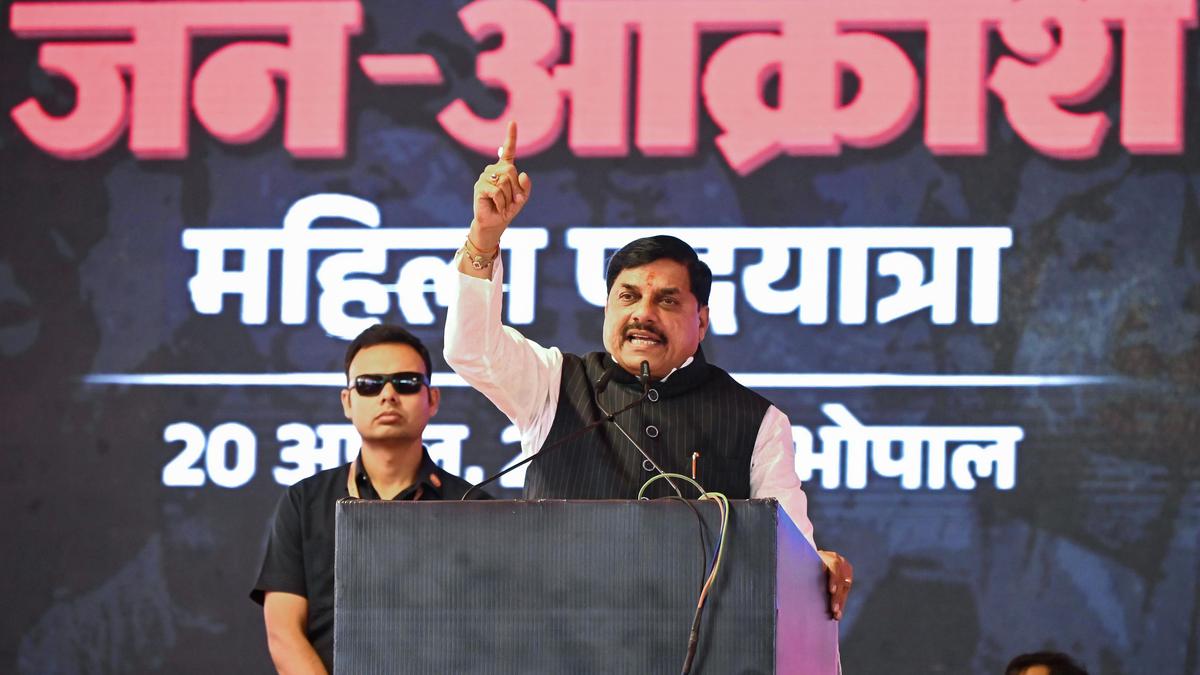
BJP Congress Clash Over MP Bill Defeat
The defeat of a Constitution Amendment Bill in Madhya Pradesh sparks a fierce clash between BJP and Congress, highlighting political tensions ahead of 2027 elections.
Conflict & Security
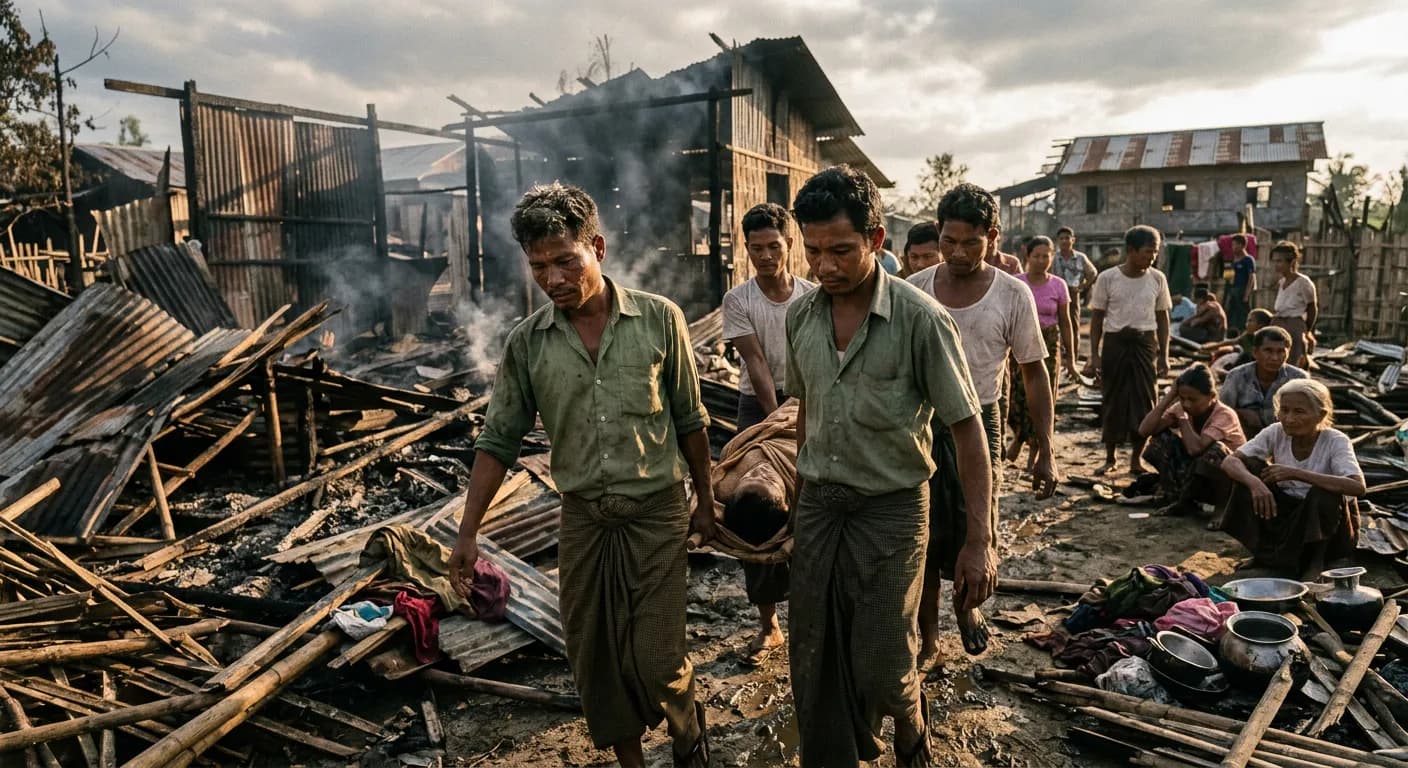
Kyauktaw Airstrike: Junta Tactics in Rakhine
Myanmar military airstrike in Kyauktaw kills at least seven civilians, reflecting a desperate strategy against ethnic opposition.
India
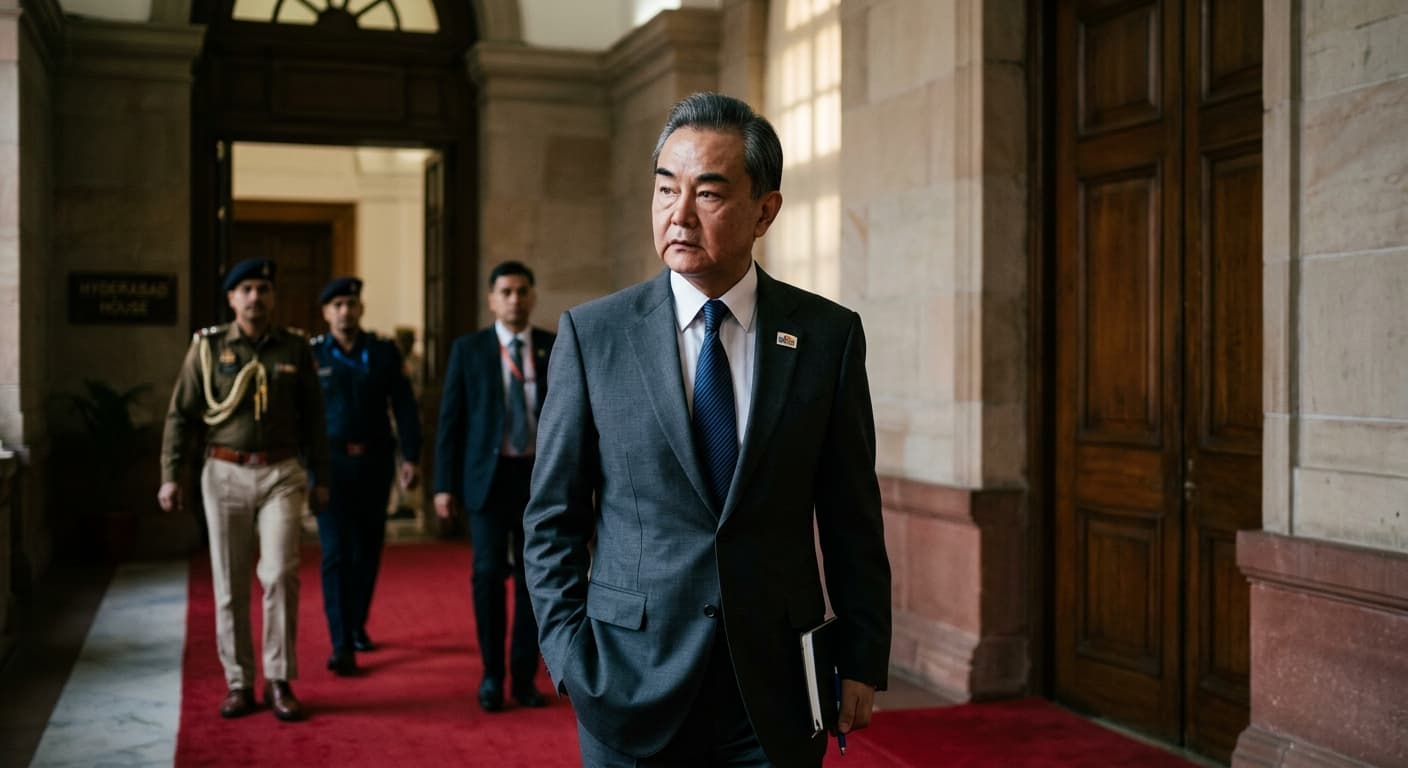
Wang Yi's Delhi Trip Signals China's Play
Wang Yi's visit to India highlights China's strategic positioning in BRICS.
Conflict & Security
Trump Signs Iran Ceasefire—But Issues Remain
Trump's Iran ceasefire halts conflict but leaves key issues unresolved.