Hakeem Jeffries' Strategic Move
Democrats focus on oversight over impeachment to win swing voters.
Model Diplomat2 min readUnited States

Jeffries Buries the Impeachment Card — On Purpose
House Democratic leader Hakeem Jeffries signals a majority would chase oversight, not impeachment — a calculated bet on suburban swing voters over the progressive base.
Hakeem Jeffries has drawn a clear line: if Democrats flip the House in 2026, impeachment is off the agenda. The announcement, made April 26, is less a legal judgment than a midterm positioning document — and it tells you exactly who Jeffries thinks wins him the majority.
The Strategic Calculus
The math hasn't changed. Republicans hold the House 218–214 with vacancies, and the Senate 53–47. Even if Democrats retake the lower chamber, a Senate conviction requires 67 votes — a threshold that doesn't exist in any realistic political universe. Jeffries knows this. The point of ruling out impeachment isn't legal; it's electoral.
Since at least January 2026, Jeffries has steered the caucus away from what he privately views as "anti-Trump theatrics," pushing instead toward an economic message on affordability and healthcare. That discipline was tested hard when over 70 Democrats urged removal or the 25th Amendment in April, driven by Trump's Iran brinkmanship. Progressives — Rep. Ilhan Omar, Rep. Jamie Raskin — pushed hard. Jeffries held the line, casting a notable "present" vote on an earlier impeachment measure rather than a yes or no.
His parallel bet is on redistricting: Jeffries has committed significant money and legal pressure to contest Republican gerrymanders in Virginia, Maryland, and California, signaling that structural map-fighting — not constitutional confrontation — is his path to the Speaker's gavel.
Who Benefits, Who Loses
Jeffries benefits by keeping swing-district Democrats — particularly those in suburban Philadelphia, Atlanta, and Phoenix — insulated from a base-energizing impeachment fight that historically boomerangs. The 1998 Republican overreach against Clinton remains the cautionary tale burned into every Democratic strategist's memory.
The progressive wing loses leverage. Figures like Rep. Analilia Mejía — part of a Democratic special-election wave in April 2026 — represent a caucus faction that won precisely by running hard against Trump. Telling that bloc impeachment is off the table after they deliver seats is a tension Jeffries will have to manage inside any future majority.
Trump and the GOP gain a talking point they've already deployed: Republicans have been actively elevating impeachment as a midterm mobilizer, betting it fires up the MAGA base. Jeffries just handed them less fuel.
What to Watch
The US Politics pressure point arrives this summer, when House Democrats face a war-powers vote on Iran. If that vote passes with Democratic support and Trump defies it, the impeachment-or-not question returns with harder edges — and Jeffries's "not a priority" framing becomes much harder to hold.
The more immediate date: November 3, 2026. If Democrats win a narrow majority on a non-impeachment message and the progressive wing doesn't revolt, Jeffries's gamble is validated. If they fall short in districts where low base turnout was the margin, the post-mortems will quote this statement back at him.
Discover more
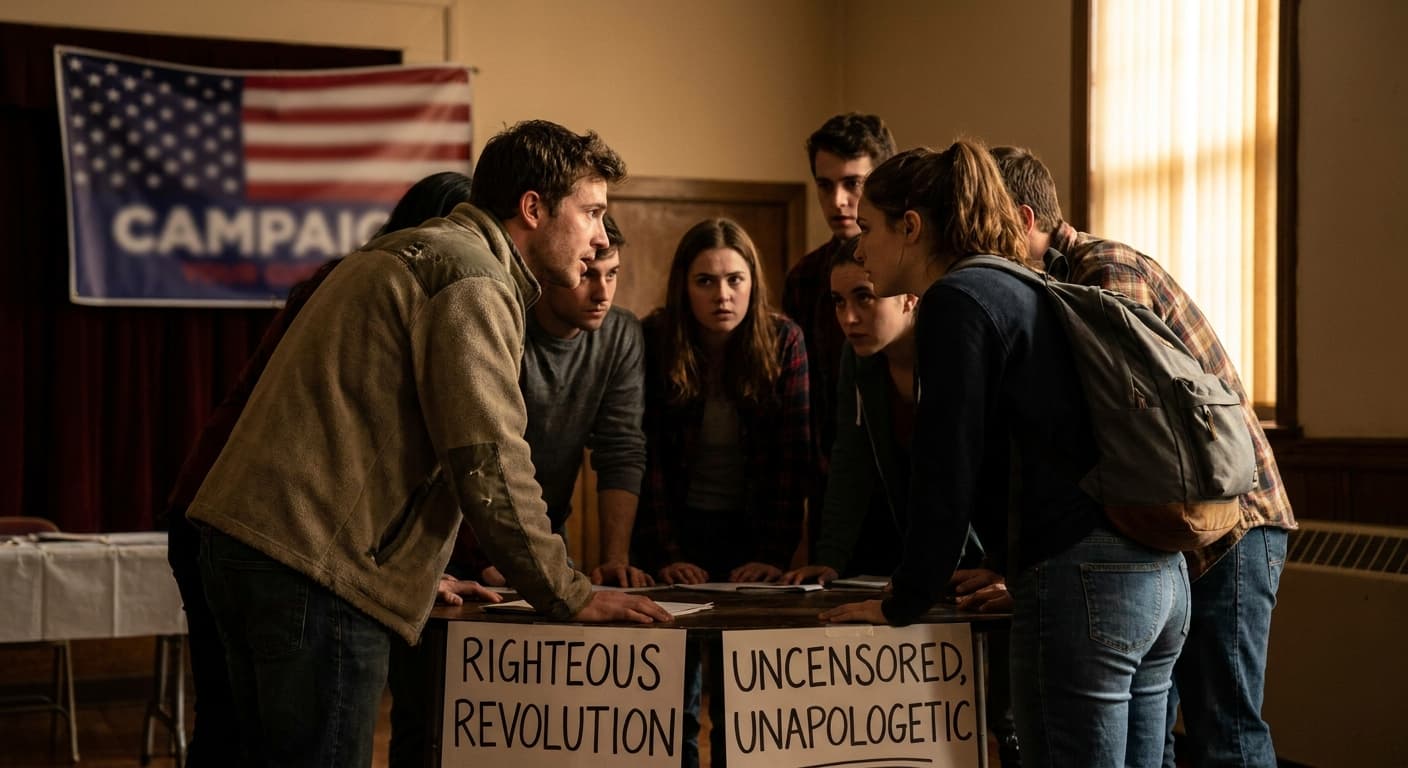
US Politics
Next Generation Republicans
A leaked survey shows 39% of Republicans under 30 do not identify as MAGA, revealing a split in the GOP's future leadership.

Conflict & Security
Drone Warfare Killing Aid Workers at Unprec
Over 1,000 humanitarian workers killed in three years as cheap armed drones collapse legal protections. Gaza, Sudan, Ukraine, and DRC see deliberate targeting of aid convoys and hospitals with zero prosecutions.

Global
World Normalises Taliban as Afghan Women Eras
UN data shows Afghan women erased from public life as Russia recognises the Taliban, EU hosts officials in Brussels, and ICC warrants for gender persecution go unenforced.
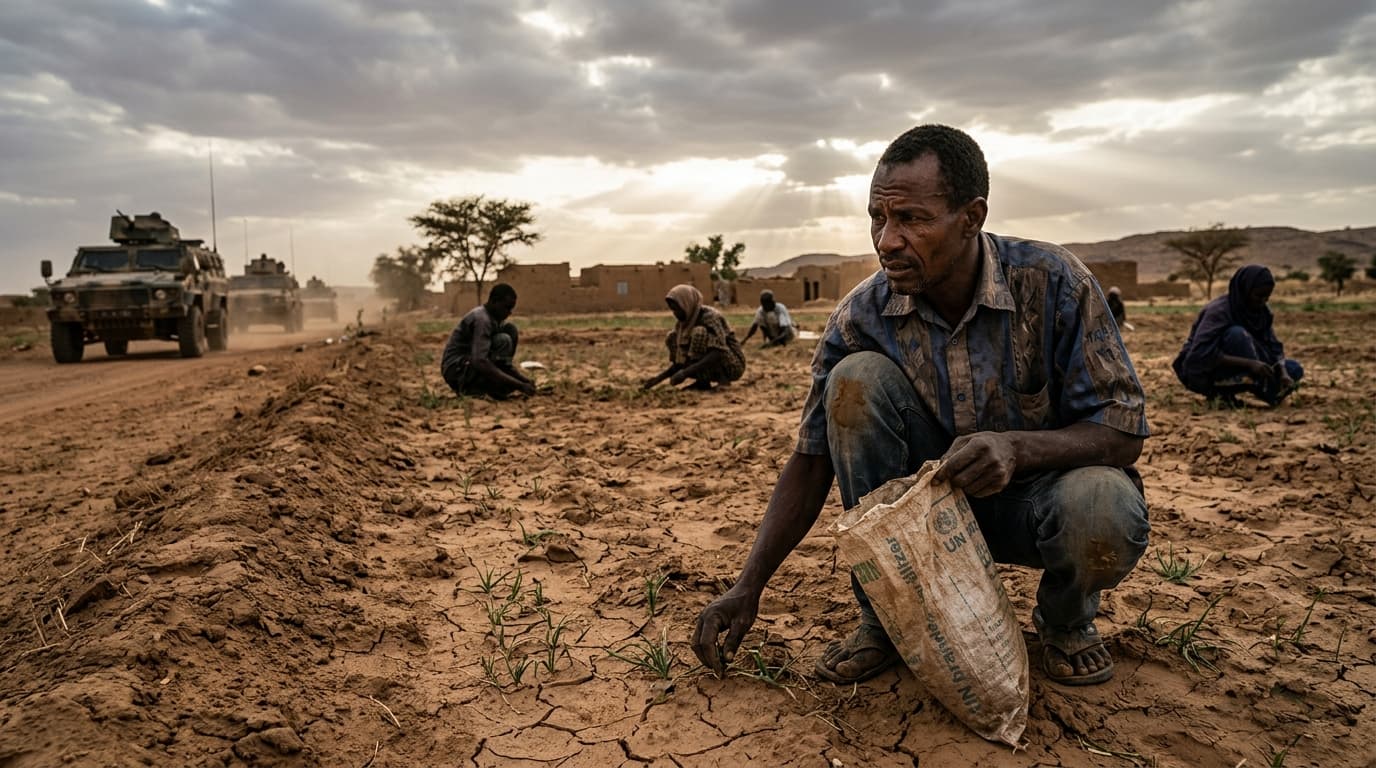
Conflict & Security
West Africa Food Crisis: Three Shocks in 2026
Conflict, climate extremes, and the Strait of Hormuz closure drive a severe food crisis in West and Central Africa, with fertilizer prices surging 80% and millions displaced.