Haiti's 102nd displacement report: data as a
IOM's 102nd report tracks displacement in Saint-Marc
Model Diplomat3 min readCaribbean
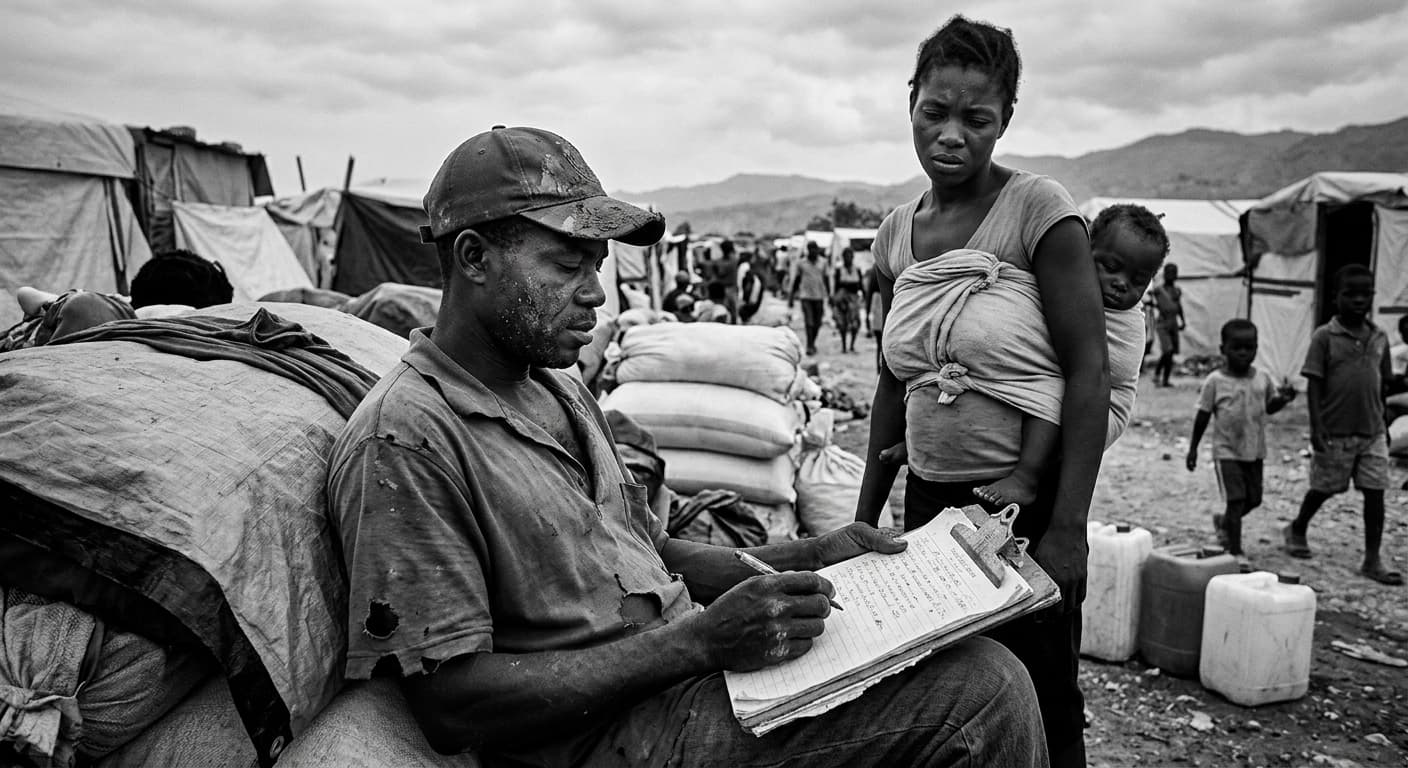
Saint-Marc's 102nd displacement tally: how data became the last functioning institution in Haiti's Artibonite
The International Organization for Migration's 102nd Emergency Tracking Tool report documents fresh displacement in Saint-Marc between July 12 and 15, 2026 — but the real story is that the international community now tracks Haiti's collapse in increments because it can no longer reverse it.
Emergency Tracking Tool report number 102 — published July 17, 2026, by the International Organization for Migration — summarizes displacement following armed violence in Saint-Marc, Artibonite Department, between July 12 and 15, 2026, according to the ReliefWeb report. The report is a data product of the IOM's Displacement Tracking Matrix, the global system initially developed in Iraq in 2004 to track displacement from the US invasion and now operational in over 90 countries, as described by the
UN Network on Migration. In Haiti, the DTM was first deployed after the 2010 earthquake, when it registered over 1.3 million displaced people. Sixteen years later, it is tracking conflict displacement at a scale that rivals that natural disaster — with a grim regularity that has become the conflict's defining feature. The report's very existence — the 102nd such flash assessment since the tracking mechanism was activated for the current conflict cycle — tells the story: after five years of escalating gang violence, the international apparatus in Haiti has settled into a rhythm of documenting displacement it cannot prevent.
The Artibonite corridor
Saint-Marc sits on Haiti's Route Nationale 1, the asphalt artery connecting Port-au-Prince to Gonaïves and the country's north. It is the gateway to the Artibonite Department — Haiti's most important agricultural region, the valley that produces the bulk of the country's rice, maize, and beans. Control of Saint-Marc means control of food supply lines to the capital and the northern departments.
This is why the Artibonite is the second front in Haiti's gang war. The UN Integrated Office in Haiti documented that fatalities in Artibonite and outside Port-au-Prince multiplied more than twentyfold from 26 in 2021 to 630 in 2024, severely limiting economic and agricultural activities in the area and exacerbating food insecurity, according to a World Bank Rapid Crisis Impact Assessment. The UN explained that the growing presence of gangs like Gran Grif in the region appears to be part of a broader strategy to control key routes connecting the capital to Haiti's north and its border with the Dominican Republic, as
Al Jazeera reported.
The Gran Grif gang — designated a Foreign Terrorist Organization by the United States in May 2025 — has been the primary actor. Its October 2024 attack on Pont-Sondé — a locality within the commune of Saint-Marc — killed at least 115 people, shooting residents door to door, and displaced more than 6,270 people according to the IOM data cited by Al Jazeera. In March 2026, Gran Grif struck again near Petite-Rivière de l'Artibonite, killing at least 70 people according to the human rights group Defenseurs Plus, with 6,000 displaced and an estimated 50 houses burned, as the
BBC reported. Gran Grif leader Luckson Elan appeared to describe the attack as retaliation for raids on the group's base by a rival armed group, according to
Al Jazeera's coverage. The July 12-15 displacement tracked in ETT 102 is the latest entry in a pattern that has produced a new displacement report roughly every two to three weeks for over two years.
The Chatham House roadmap for security reform, published in January 2026, noted that gang coalitions have moved from fragmented hit-and-run attacks toward deliberate siege warfare and urban envelopment. Territorial advances in Artibonite have disrupted agricultural production and food supply chains of national importance, "underscoring the direct link between gang expansion, territorial control and worsening food insecurity," according to the Chatham House report. The 102nd report exists because the 101st changed nothing — and the 103rd is already overdue.
Discover more

US Politics
Virginia's Redistricting Referendum
Virginia's redistricting referendum is drawing a flood of dark money, shaping future elections and the fight for congressional control amid party stakes.

India
Women’s Reservation in India
India's 33% women's reservation law is enacted but won't take effect until after 2029 due to political setbacks and census delays.
India
Women's Reservation Bill 2026: A Political Sh
India's Lok Sabha rejected the Women's Reservation Bill, exposing a political maneuver to redraw electoral maps favoring the north over the south.

Conflict & Security
Drone Warfare Killing Aid Workers at Unprec
Over 1,000 humanitarian workers killed in three years as cheap armed drones collapse legal protections. Gaza, Sudan, Ukraine, and DRC see deliberate targeting of aid convoys and hospitals with zero prosecutions.