Gulam Jeelani on India's Political Dynamics
Exploring Jeelani's impact on India's governance and socio-economics
Model Diplomat2 min readIndia

Gulam Jeelani’s Reporting Sharpens Focus on India’s Political and Socio-Economic Dynamics
Gulam Jeelani’s frontline insights from Lucknow and Srinagar bring vital perspective on India’s governance and political landscape under Modi’s administration.
Gulam Jeelani has emerged as a crucial voice in Indian political journalism, writing extensively for the Hindustan Times with a focus on pivotal national affairs, government policies, and socio-economic challenges. Reporting directly from politically sensitive and economically significant regions like Lucknow in Uttar Pradesh and Srinagar in Kashmir, Jeelani’s work offers grounded perspectives on the complexities shaping India today.
Why Jeelani’s Reporting Matters
Jeelani’s position as a frontline correspondent is critical. Lucknow, the capital of India’s most populous state Uttar Pradesh, acts as a political barometer for the ruling Bharatiya Janata Party (BJP), led by Prime Minister Narendra Modi. Decisions and political currents here often have outsized influence on national politics, given Uttar Pradesh’s 80 parliamentary seats—the highest in the Lok Sabha. Jeelani’s on-the-ground analysis from this hub of Hindu nationalism and electoral strategy sheds light on how Modi’s policies resonate or clash with grassroots realities.
Meanwhile, Jeelani’s dispatches from Srinagar offer indispensable reporting from the Kashmir Valley, a region still grappling with the fallout of the 2019 revocation of Article 370, which stripped Jammu and Kashmir of its special constitutional status. With ongoing security challenges, economic disruptions, and political uncertainty, Srinagar-based journalism helps decode a region pivotal not only to India’s internal stability but also to its geopolitical signaling towards Pakistan and China.
Jeelani’s reportage intertwines the socio-economic with the political, highlighting how Modi’s flagship schemes—such as the PM-KISAN income support program and the Digital India initiative—play out across diverse, often underserved populations. His coverage extends to how citizens perceive government responsiveness, the clash of federal and regional interests, and the impact of legislative moves in Parliament on daily life.
What to Watch Next
India is heading into a crucial electoral cycle with state assembly elections scheduled in key battlegrounds including Uttar Pradesh in early 2027. Jeelani’s insights from Lucknow will be invaluable in decoding BJP’s organizational strategies, opposition repositioning, and voter sentiment shifts. Additionally, Kashmir’s political trajectory remains volatile. With fresh local governance reforms and control measures likely to evolve, Srinagar’s on-the-ground reports remain essential to understanding the broader security and diplomatic impacts.
For anyone tracking Indian politics, government policymaking, and the socio-economic undercurrents shaping Modi’s India, Gulam Jeelani’s work provides an indispensable, richly detailed lens. His frontline perspective illuminates the tensions and transformations that define one of the world’s most consequential democracies.
Read more about India’s political landscape here and explore broader
global political trends here.
Source: Hindustan Times - Gulam Jeelani
Discover more
India
Chetan Chauhan: Insights on India's Politics
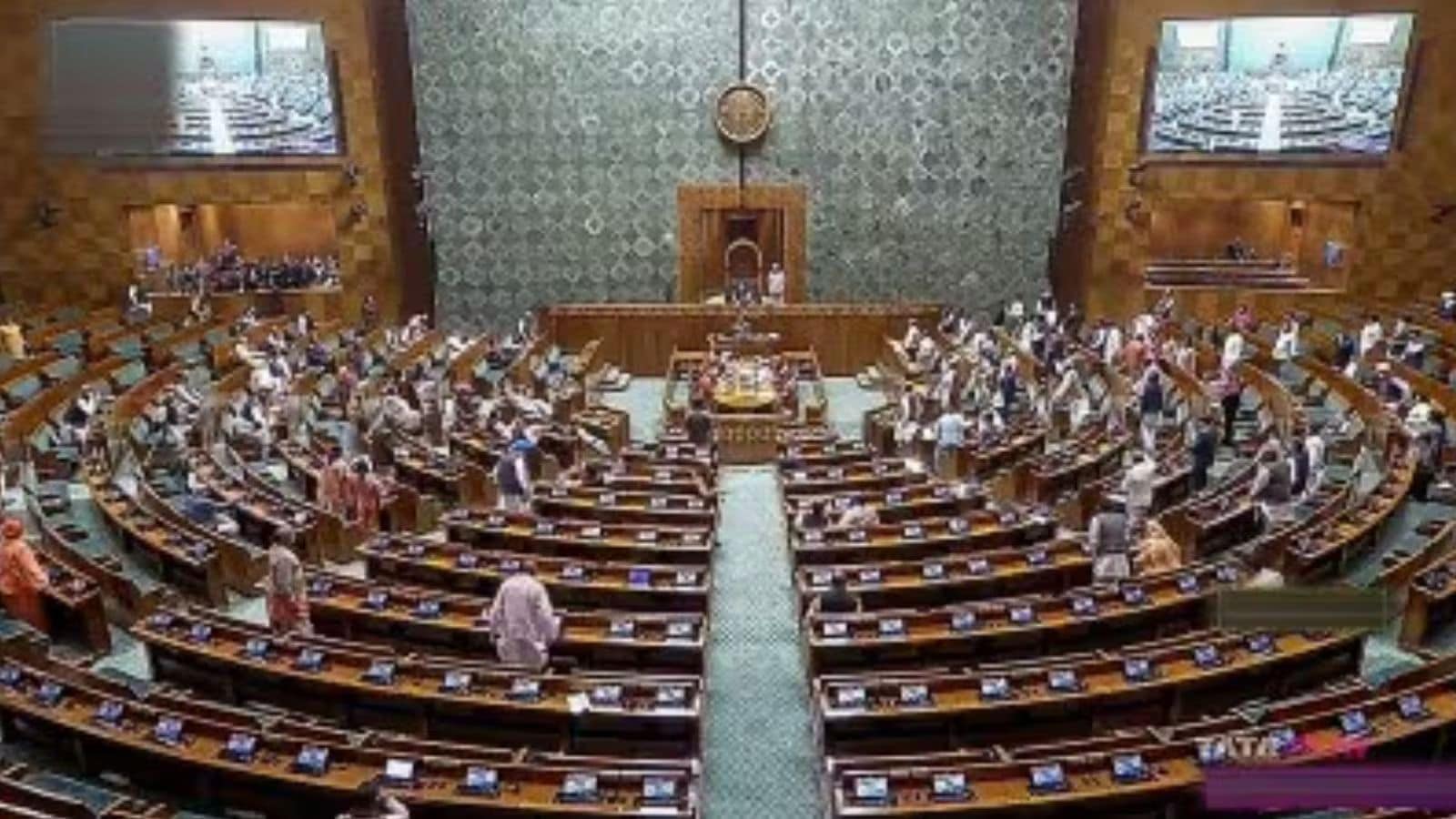
Chetan Chauhan's reporting spotlights India's social, political, and environmental fault lines, shaping public understanding ahead of the 2029 election.
India
Delimitation in India
India's delimitation exposes a deepening struggle between federalism and equal voting power under Modi's centralizing politics and shifting seat allocation.
India
India's 2026 Assembly Elections
India's 2026 assembly elections will reshape state and national politics, exposing voter trends and party dynamics that prove crucial for future contests.

Conflict & Security
Drone Warfare Killing Aid Workers at Unprec
Over 1,000 humanitarian workers killed in three years as cheap armed drones collapse legal protections. Gaza, Sudan, Ukraine, and DRC see deliberate targeting of aid convoys and hospitals with zero prosecutions.