Great Nicobar Fight Turns on the Paper Trail
Jairam Ramesh challenges environmental claims of the project.
Model Diplomat3 min readAsia
Great Nicobar Fight Turns on the Paper Trail
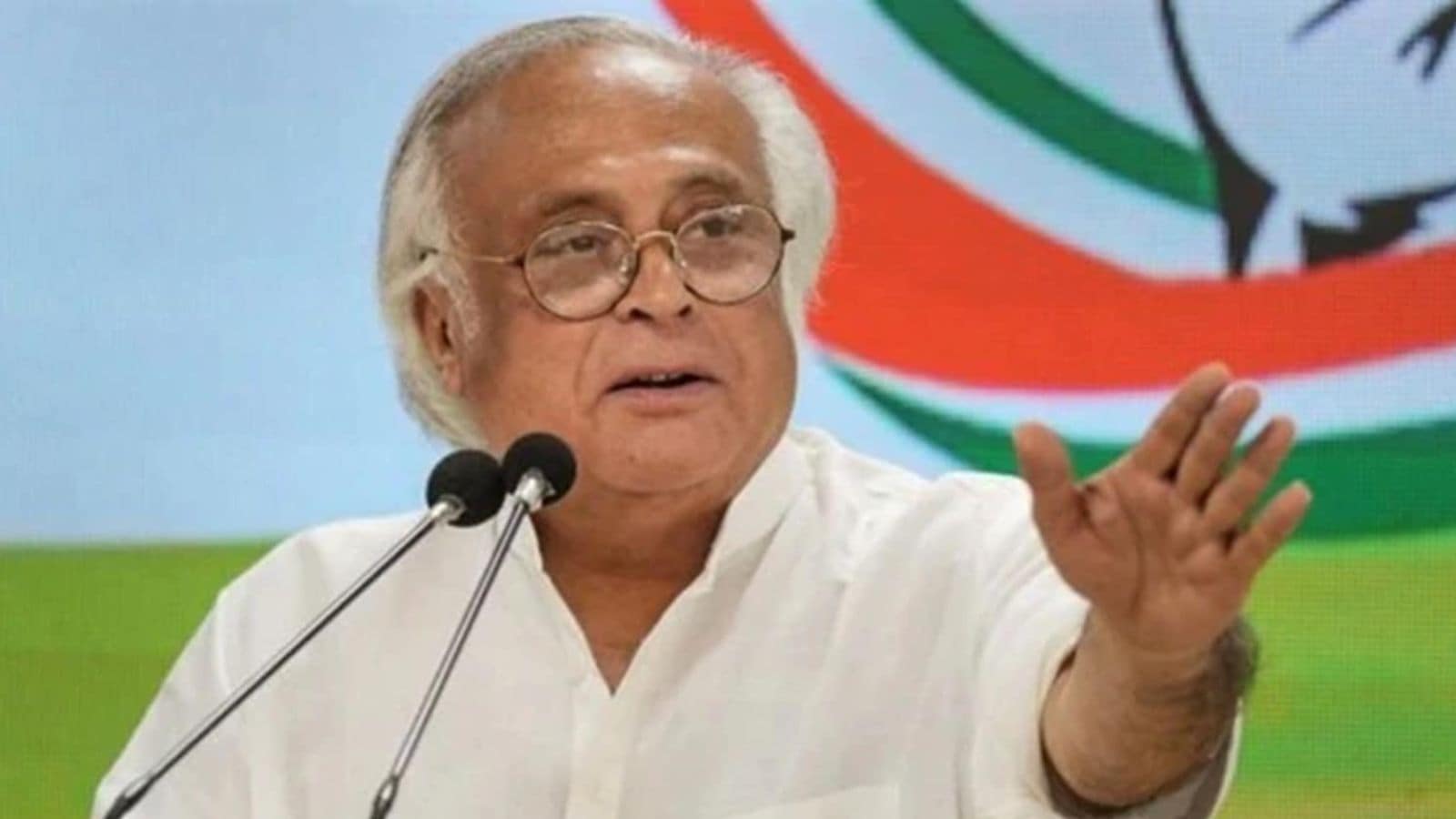
Jairam Ramesh is attacking the project’s weakest point: the state’s claim that the environmental record is robust while keeping the HPC review secret.
Transparency is now the battleground
Rajya Sabha MP Jairam Ramesh has forced the Great Nicobar project back into the spotlight by writing to Environment Minister Bhupender Yadav and demanding that the report of the NGT-mandated High-Powered Committee be made public, while arguing that the environmental studies behind the clearance were far too thin to justify the scale of the project (The Indian Express;
The Hindu). His core charge is not rhetorical: the final EIA, he says, was built on one winter-season study from December 2020 to February 2021, with biodiversity and turtle surveys lasting only days (
The Indian Express;
The Tribune).
That matters because the government has already made the project’s strategic case: it says Great Nicobar is meant to strengthen India’s presence in the Andaman Sea while balancing port-led growth, environmental safeguards, and indigenous protections (The Hindu). In other words, the Centre is relying on the argument that national interest can coexist with mitigation; Ramesh is trying to show the mitigation record does not meet the legal test.
The real weakness is procedural
The leverage point is the HPC report. The NGT’s February 2026 decision upheld the environmental clearance and said there was “no good ground to interfere,” but that ruling rested on the committee’s conclusions rather than the report being placed fully in the public domain, according to both The Indian Express and
Frontline. That gives Ramesh an opening: if the report is withheld on “confidentiality” grounds, the government looks like it is asking for deference without disclosure.
This is also why the debate has outgrown the usual environment-versus-development frame. Frontline noted that the project’s strategic logic is tied to India’s proximity to the Malacca Strait and to a larger Indian Ocean posture, which gives the Centre a national-security rationale that courts and tribunals have already been willing to weigh heavily. But that same logic raises the cost of opacity: the more the government says the project is strategic, the more critics will demand proof that environmental law was still followed.
Who gains, who loses
For now, the Centre holds the operating advantage because the NGT has already upheld the clearance and the project is framed as a strategic asset (Frontline). Ramesh and Congress benefit politically if they can turn the HPC secrecy issue into a broader transparency case, especially since the government itself released FAQs claiming the ecological impacts were comprehensively assessed (
The Indian Express). The losers, if the project proceeds unchanged, are the island’s fragile ecosystems and the government’s claim that this is a cleanly managed strategic build-out.
What to watch next
The next decisive move is whether Bhupender Yadav releases the HPC report or doubles down on confidentiality. If he refuses, the fight shifts from environmental merits to disclosure and judicial review — with the Calcutta High Court still a live venue in the wider challenge, according to The Hindu and
Frontline. For more on the politics around sensitive infrastructure disputes, see
India and
Global Politics.
Discover more
India
BJP's Delimitation Strategy
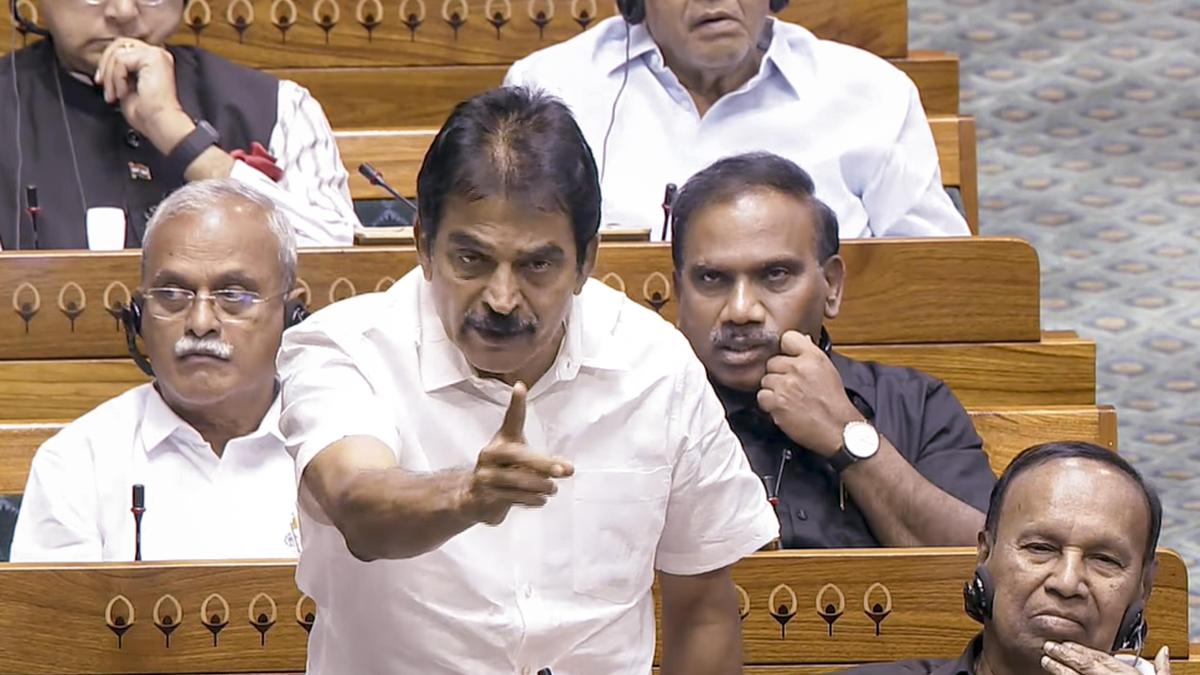
Congress leader K.C. Venugopal claims the BJP uses women's reservation to advance delimitation, raising fears over electoral fairness ahead of the 2029 polls.
India
Congress Accuses Modi of Stalling Women's Law
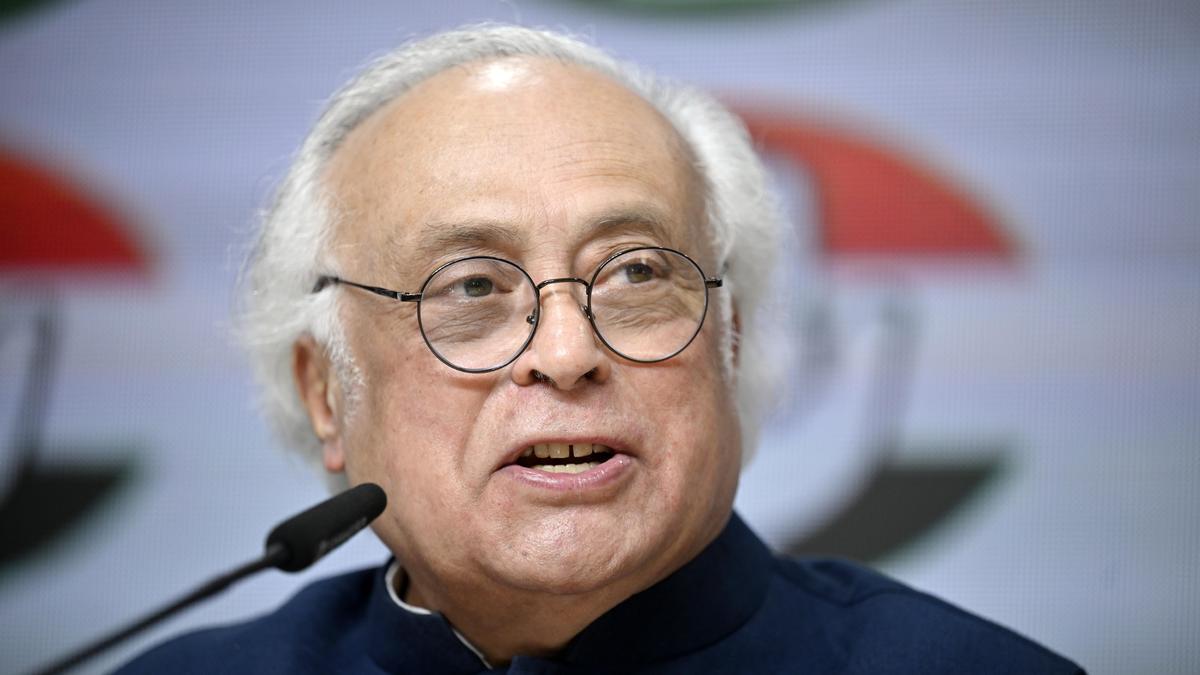
Congress accuses Modi of stalling women's reservation law by linking it to delimitation, revealing a deeper electoral strategy.
India
CPI(M) Calls to Decouple Quota from Delimita
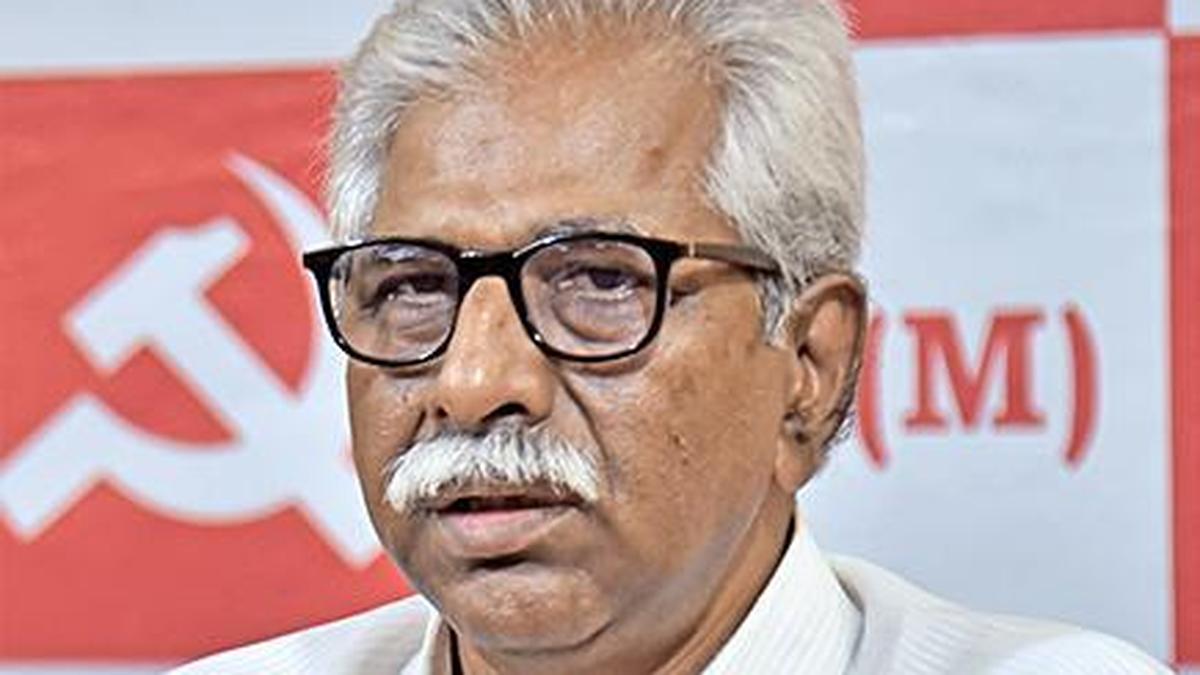
CPI(M) advocates for a 33% women's quota in Lok Sabha by 2029, removing the need for delimitation and census linkage.

Conflict & Security
Drone Warfare Killing Aid Workers at Unprec
Over 1,000 humanitarian workers killed in three years as cheap armed drones collapse legal protections. Gaza, Sudan, Ukraine, and DRC see deliberate targeting of aid convoys and hospitals with zero prosecutions.