Graham's Kharg Island Retreat Signals US Shif
Lindsey Graham steps back from aggressive military options.
Model Diplomat2 min readNorth America
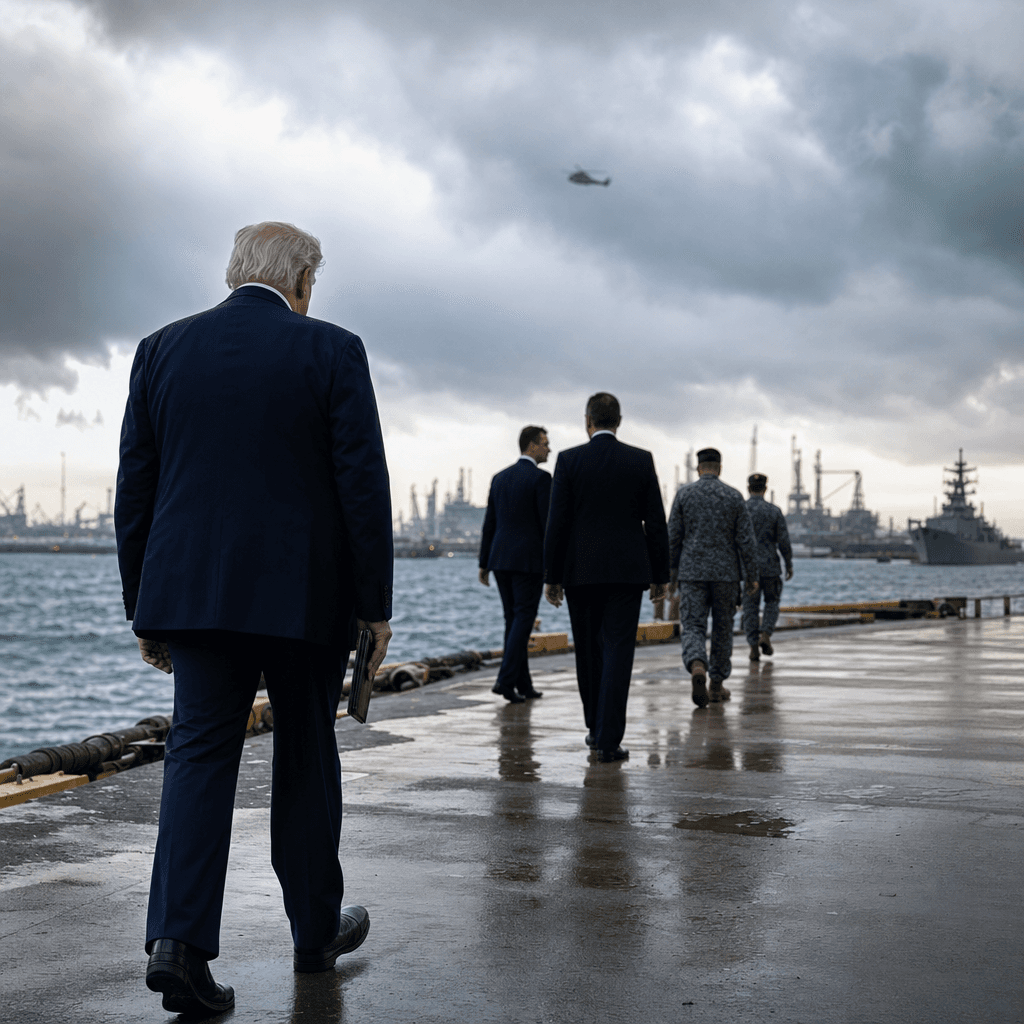
Graham Backs Off Kharg Island, and the Hawks Recalibrate
Lindsey Graham’s retreat on seizing Kharg Island narrows the pro-war lane in Washington just as Trump weighs how far to push Iran without owning the ground war.
Lindsey Graham is not just softening his language; he is stepping away from the most escalatory option on the table. In remarks reported by The Hill, the South Carolina Republican said, “I’m not a real advocate of taking Kharg Island,” after earlier hawkish talk around the Iranian oil hub. The Hill
Why Kharg matters
Kharg Island is not a symbolic target. It is Iran’s main crude export terminal and handles about 90% of the country’s oil exports, according to Reuters. Reuters That makes it a pressure point on Tehran’s revenue stream, but also a trap for anyone trying to hold it. Reuters reported that the Trump administration has been weighing whether to use ground forces to seize or blockade the island to force Iran to reopen the Strait of Hormuz, while CNN said Iran has reinforced Kharg with mines and additional air defenses in anticipation of a possible U.S. move.
Reuters
CNN
That is the real power dynamic: Kharg gives Washington leverage over Iranian exports, but Iran gets a much bigger payoff if it can turn an island seizure into an American casualty event. Reuters warned a ground assault would leave U.S. troops exposed to missiles, mines and drones, and could prolong rather than shorten the conflict. Reuters
What Graham’s reversal signals
Graham’s shift matters because he is one of the Senate’s most reliable Iran hawks. When he steps back from occupation talk, it suggests the political coalition for a ground seizure is thinner than the loud rhetoric suggests. That benefits the Pentagon and Gulf partners privately urging restraint, and it hurts the hardliners who want a dramatic move that looks decisive on cable news but could create a long, costly occupation. Reuters
Washington Post/AP
This also narrows Trump’s options. Airstrikes can signal escalation. A seizure of Kharg would require holding territory under fire, which is a different political and military commitment altogether. If Trump wants leverage without a visible occupation, blockade pressure or limited strikes become the more plausible path.
What to watch next
Watch whether the White House shifts from seizure rhetoric to maritime interdiction and sanctions enforcement. The next real decision point is whether U.S. forces are tasked only to threaten Hormuz-related shipping, or whether planners are told to prepare for a landing force. Reuters’ reporting on U.S. deployment of Marines and airborne troops suggests that decision window is still open. Reuters
For now, Graham’s retreat tells you where Washington’s risk tolerance is breaking first: not on punishing Iran, but on putting American troops ashore to do it. Use this as a lens on US Politics and
Conflict.
Discover more

Global Politics
US Seizes Iranian Ship, Tensions Surge
The US seizure of the Iranian ship Touska highlights a shift in control over the Strait of Hormuz, favoring Iran's strategic position.

Conflict & Security
Drone Warfare Killing Aid Workers at Unprec
Over 1,000 humanitarian workers killed in three years as cheap armed drones collapse legal protections. Gaza, Sudan, Ukraine, and DRC see deliberate targeting of aid convoys and hospitals with zero prosecutions.

Global
World Normalises Taliban as Afghan Women Eras
UN data shows Afghan women erased from public life as Russia recognises the Taliban, EU hosts officials in Brussels, and ICC warrants for gender persecution go unenforced.
Conflict & Security
West Africa Food Crisis: Three Shocks in 2026
Conflict, climate extremes, and the Strait of Hormuz closure drive a severe food crisis in West and Central Africa, with fertilizer prices surging 80% and millions displaced.