Goyal Holds Off on Import Curbs as Rupee Sl
India's government monitors rupee's fall, no import curbs yet.
Model Diplomat2 min readAsia
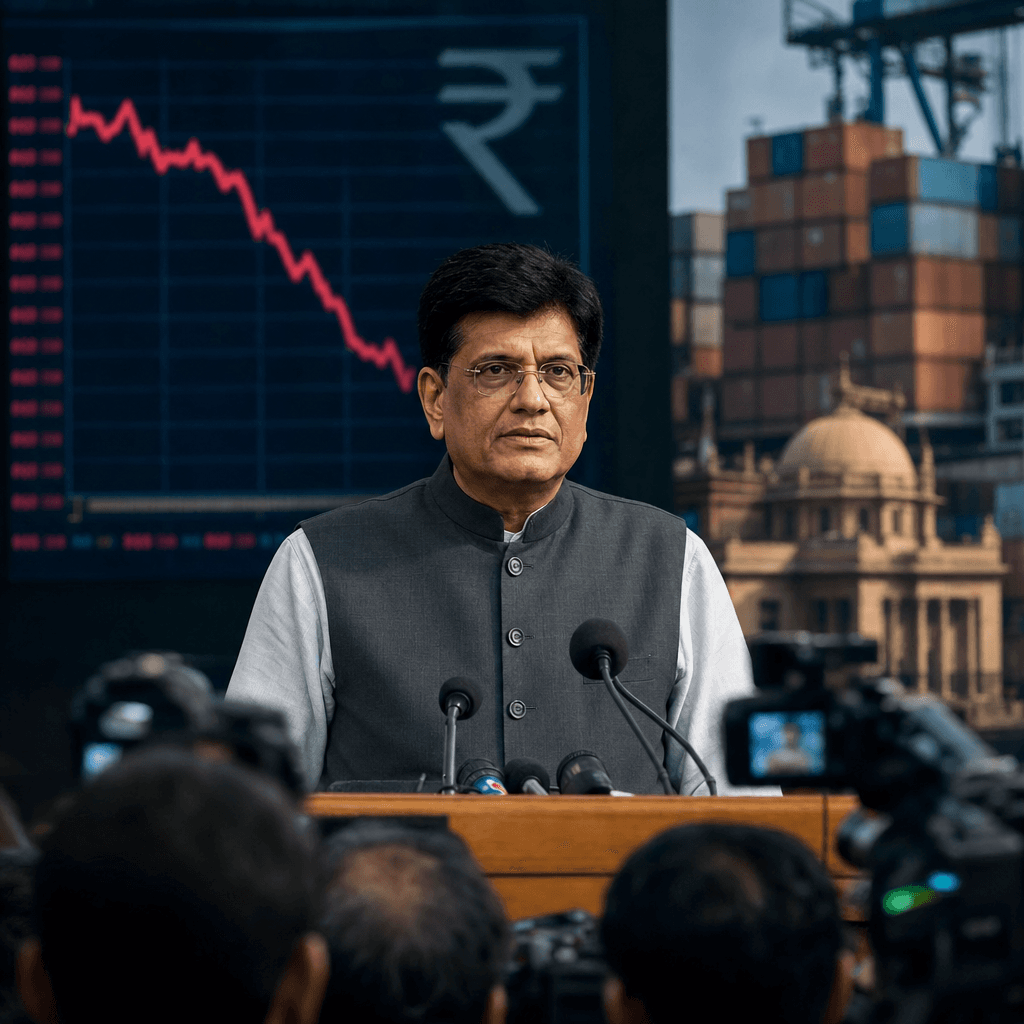
Goyal Holds Off on Import Curbs as Rupee Slips
New Delhi is signaling caution: Piyush Goyal says the government is monitoring the rupee’s fall, but has not decided on import restrictions yet.
Piyush Goyal’s message is tactical, not reassuring. India’s commerce minister said the government is “monitoring the situation” and has made no decision yet on import curbs, according to NDTV. That keeps the option open without forcing New Delhi to choose, for now, between defending the currency and protecting import-dependent businesses.
The leverage sits with the government — but only just
The pressure point is the external bill. India is still heavily exposed to imported fuel, and the rupee has been under strain as global crude prices and capital outflows hit sentiment, according to CNA and
BERNAMA. Goyal’s language suggests the government is trying to buy time before resorting to blunt controls that could calm the current account but damage trade flows.
That hesitation makes sense. India’s leadership has already begun leaning on households to cut imported consumption: Prime Minister Narendra Modi has publicly urged people to stop buying gold, avoid unnecessary travel and use less fuel, a move framed as a response to rupee weakness, reported by CNA and analyzed by
CNA Commentary. That is a political signal that New Delhi wants the market — not a formal import clampdown — to do most of the adjustment.
For readers tracking the broader policy logic, this fits the pattern on our India and
Global Politics pages: the government is managing a balance-of-payments problem without looking like it is in crisis mode.
Who benefits if New Delhi waits
Delay helps the Commerce Ministry, exporters and consumer-facing importers. It also reduces the risk of a visible panic response that would tell markets the rupee is now a policy emergency. But the longer the government waits, the more leverage shifts to the Reserve Bank of India, which has already been forced into currency-stabilization measures that make hedging more expensive for foreign investors, according to CNA.
That is the real trade-off: currency defense tools can stabilize the rupee while still repelling capital. CNA reported that foreign investors have already been selling Indian debt and equities as hedging costs rise and oil prices squeeze growth expectations. Import curbs would be another signal that New Delhi is prepared to sacrifice openness for stability.
What to watch next
The next decision point is whether the rupee keeps weakening enough to force formal restrictions on gold, fuel-linked imports or luxury goods. Watch for three markers: fresh RBI intervention, any tariff or licensing changes from the Commerce Ministry, and whether Goyal or Finance Minister Nirmala Sitharaman starts framing import restraint as a macro-stability measure rather than a temporary watch item. If the currency stays under pressure into the next policy review, the government will have to choose between market confidence and administrative control.
Discover more

India
India-South Korea $50B Trade Expansion Plan
India and South Korea target $50 billion in bilateral trade by 2030, focusing on industrial cooperation and strategic alignment amid US pressures.

Conflict & Security
Drone Warfare Killing Aid Workers at Unprec
Over 1,000 humanitarian workers killed in three years as cheap armed drones collapse legal protections. Gaza, Sudan, Ukraine, and DRC see deliberate targeting of aid convoys and hospitals with zero prosecutions.

Global
World Normalises Taliban as Afghan Women Eras
UN data shows Afghan women erased from public life as Russia recognises the Taliban, EU hosts officials in Brussels, and ICC warrants for gender persecution go unenforced.
Conflict & Security
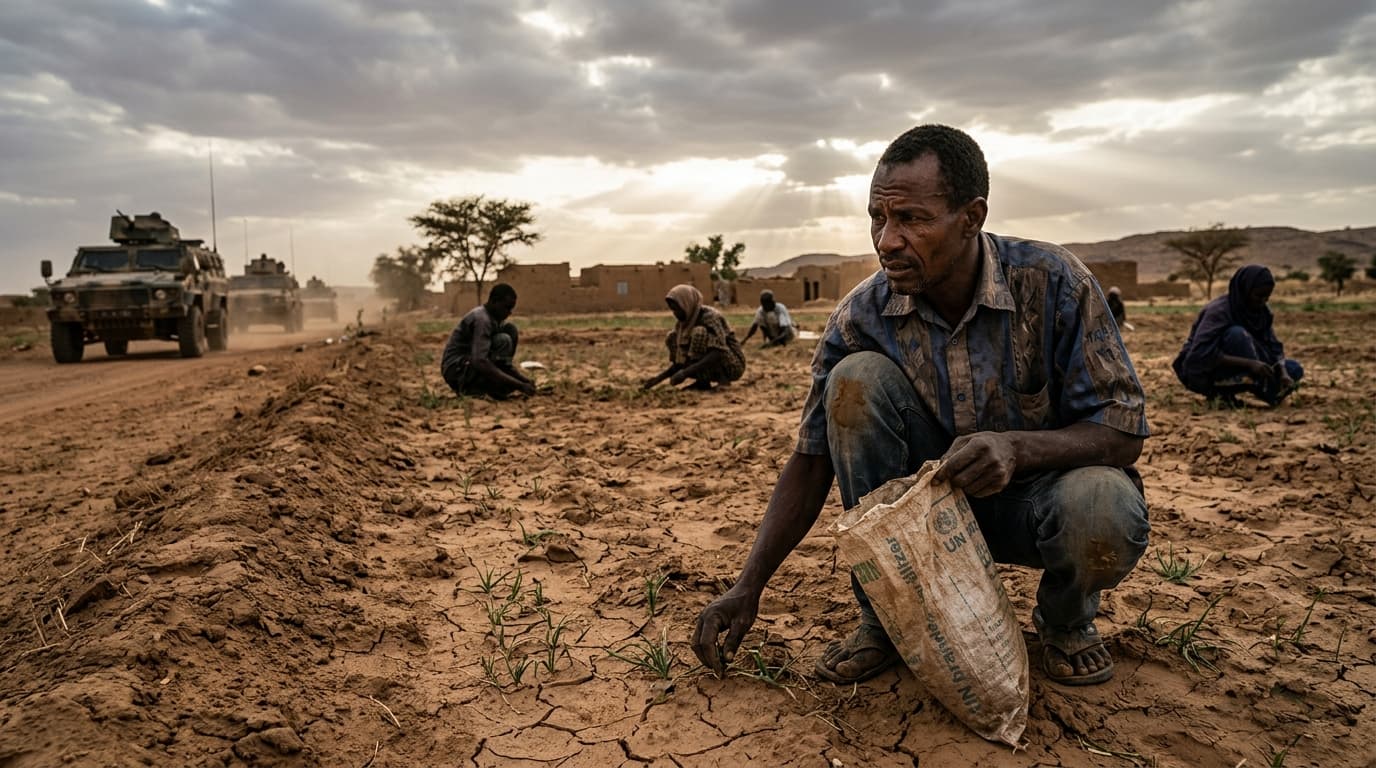
West Africa Food Crisis: Three Shocks in 2026
Conflict, climate extremes, and the Strait of Hormuz closure drive a severe food crisis in West and Central Africa, with fertilizer prices surging 80% and millions displaced.