Geneva's UN Influence Dwindles Amid Funding W
Funding cuts threaten Geneva's status as a UN hub.
Model Diplomat3 min readEurope
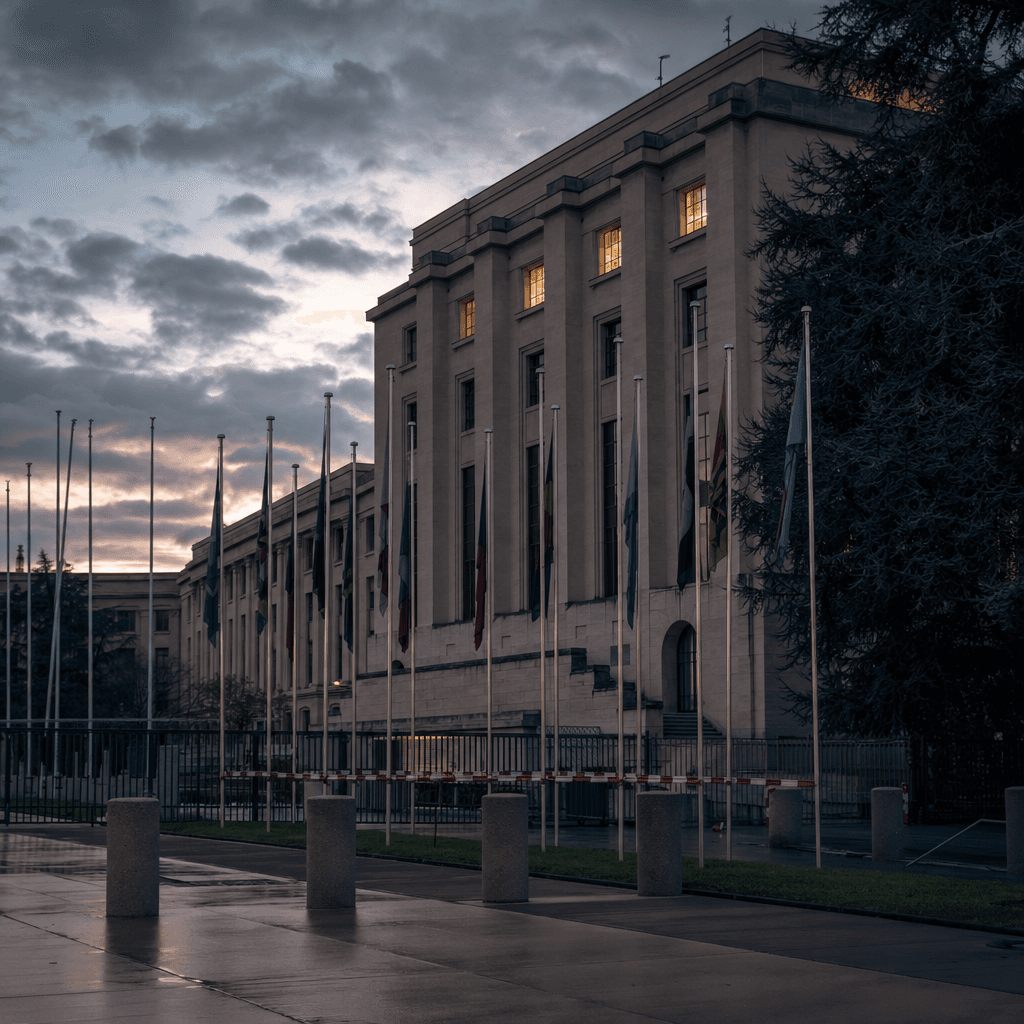
Geneva’s UN Hub Shrinks as Funding Shock Hits Multilateralism
Geneva is losing people, budgets and influence as UN agencies cut staff, trim offices and shift work elsewhere — a power shift driven by donor retrenchment.
Reuters reports that Geneva’s status as the UN’s diplomatic center is fading as agencies pull back from the city that once hosted the system’s most important negotiations (Reuters). The leverage is with the biggest payers, especially the United States: when Washington cuts or delays funding, Geneva-based bodies do not just tighten belts, they lose staff, meetings and mission capacity. That is changing who can shape the multilateral agenda — and where.
The money problem is now a location problem
The immediate driver is financial. In January, UN chief António Guterres warned of an “imminent financial collapse,” saying the organization’s cash could run out by July unless member states pay up or the budget rules are overhauled (BBC). That crisis is visible in Geneva itself: the BBC reported escalators switched off and heating turned down at the Palais des Nations to save money (
BBC).
This is not just austerity theater. When the UN’s regular budget gets squeezed, Geneva loses the ecosystem that made it valuable: staff, delegations, side meetings, and the constant churn of issue-specific diplomacy. The city still hosts the Human Rights Council and the World Health Organization, but those institutions are being forced to do less from a more expensive base. That weakens Geneva’s claim to be the system’s neutral operating room — a point Global Politics readers will recognize across other multilateral institutions under donor pressure.
Who gains when Geneva shrinks
The beneficiaries are the actors willing to weaponize budgets. The United States has the most leverage because its contribution is large and politically contested at home. When it cuts, the effects ripple through agencies that depend on assessed and voluntary funding. France 24 reported in May 2025 that staff in Geneva were already rallying over deep cuts, with unions warning of layoffs across agencies including UNHCR, IOM, WFP, OCHA, WHO and UNAIDS (France 24).
A second winner is the cluster of cities competing to take Geneva’s place. Politico reported this year that agencies are increasingly considering relocations or partial moves to lower-cost hubs such as Nairobi, while Geneva authorities are running job clinics for laid-off international staff (POLITICO). That matters because where an institution sits shapes who gets access, which governments can lobby most easily, and which policy communities form around it. If Geneva becomes thinner, it loses not only prestige but agenda-setting power.
What to watch next
The next pressure point is the UN’s 2026 budget cycle and any further U.S. funding decisions. Watch whether agencies headquartered in Geneva formalize more relocations, especially within WHO and UNAIDS, and whether Switzerland has to spend more to preserve the city’s role. If the cuts continue, Geneva will remain a symbol — but a diminished one, with less ability to convene, broker and absorb crises. The real story is not the city’s nostalgia; it is the redistribution of institutional power away from the old multilateral core and toward the states that can still pay.
Discover more
India
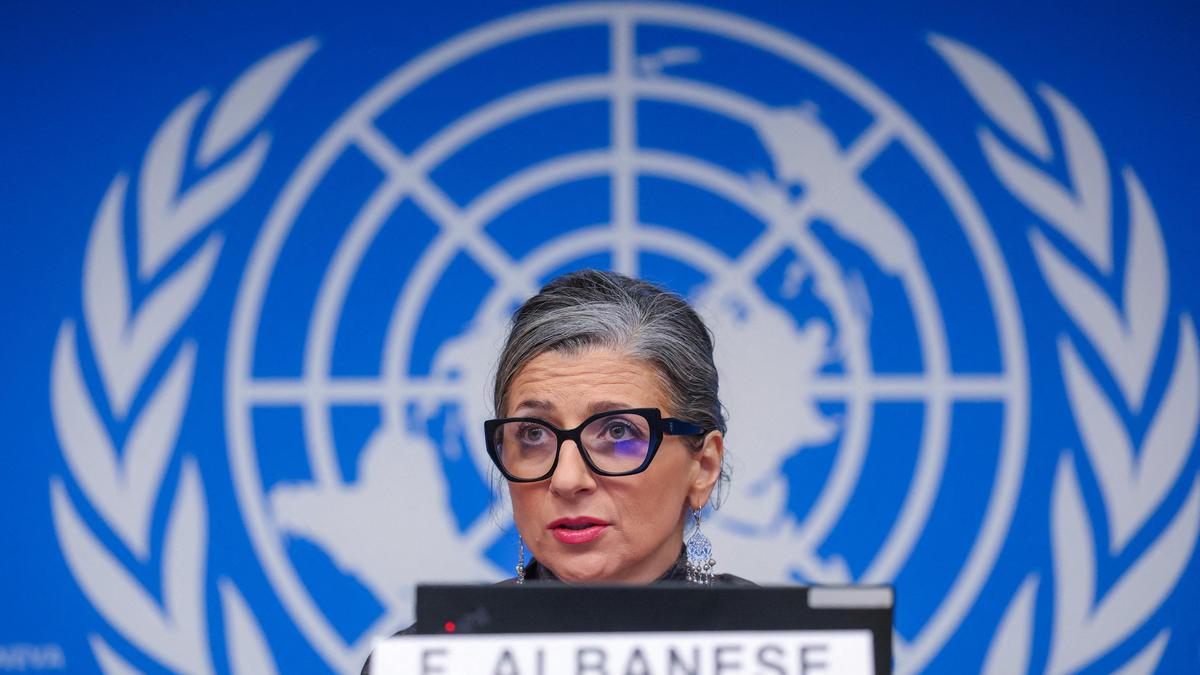
UN Expert Albanese: India Violates Law
UN Rapporteur Francesca Albanese accuses India of breaching international law, spotlighting human rights concerns in Kashmir and prompting diplomatic pushback.

Conflict & Security
Drone Warfare Killing Aid Workers at Unprec
Over 1,000 humanitarian workers killed in three years as cheap armed drones collapse legal protections. Gaza, Sudan, Ukraine, and DRC see deliberate targeting of aid convoys and hospitals with zero prosecutions.

Global
World Normalises Taliban as Afghan Women Eras
UN data shows Afghan women erased from public life as Russia recognises the Taliban, EU hosts officials in Brussels, and ICC warrants for gender persecution go unenforced.
Conflict & Security
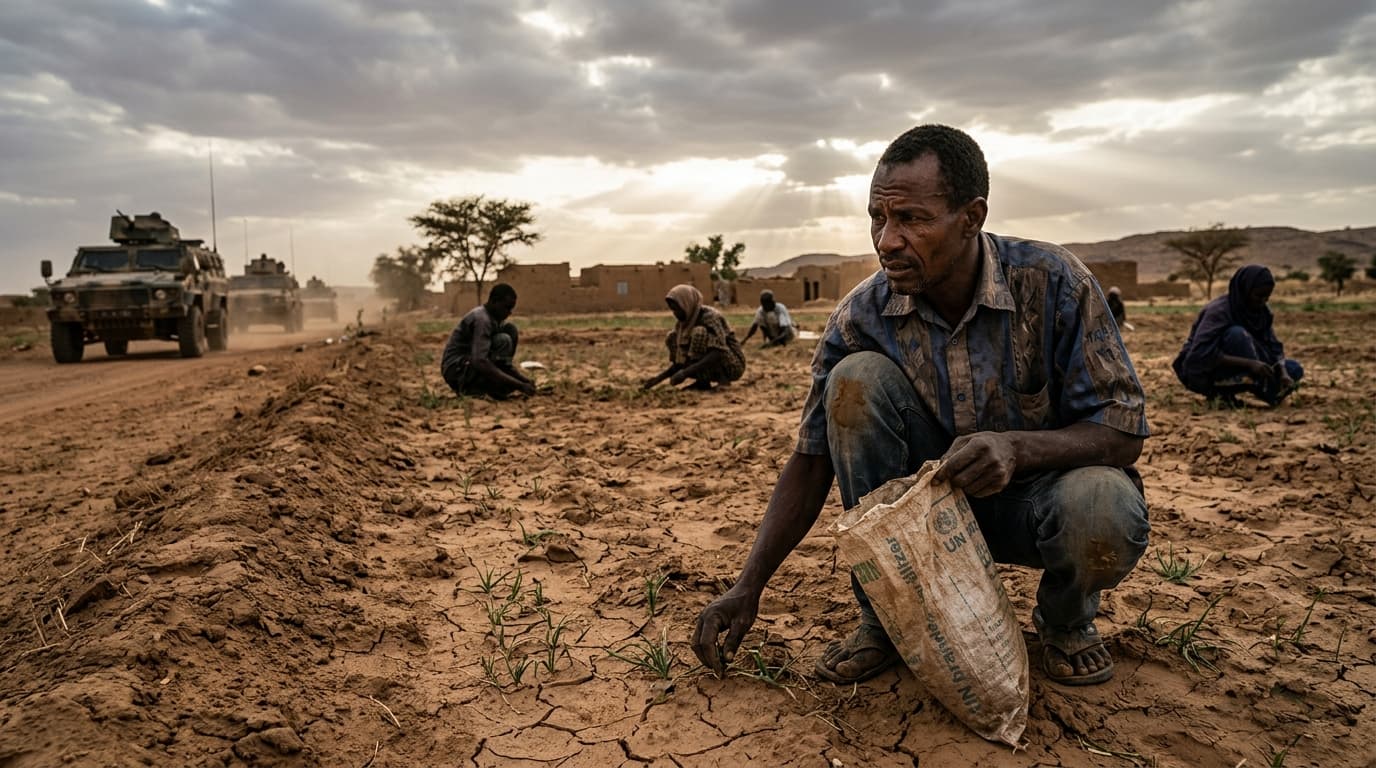
West Africa Food Crisis: Three Shocks in 2026
Conflict, climate extremes, and the Strait of Hormuz closure drive a severe food crisis in West and Central Africa, with fertilizer prices surging 80% and millions displaced.