Gehlot turns NEET leak row into a BJP trust test
Ashok Gehlot is using the NEET row to widen the political damage: the NTA is denying a leak even as it has cancelled the exam, and that contradiction is now the point.
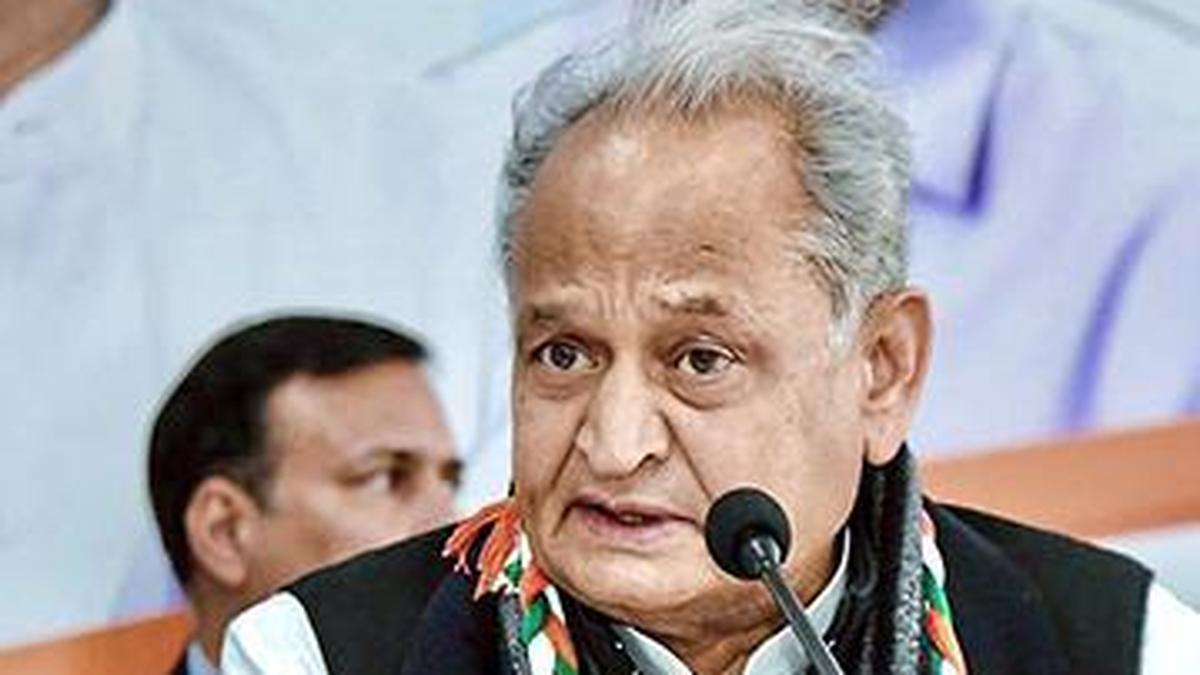
Ashok Gehlot’s attack on the National Testing Agency is less about one statement than about who controls the narrative around NEET-UG 2026. The former Rajasthan chief minister seized on NTA chair Pradeep Joshi’s reported line to a parliamentary committee that he did not believe the paper had been leaked, even though the agency itself has cancelled the exam and the government has ordered a CBI probe, calling that position “irresponsible” ( The Hindu, The Hindu).
Why the contradiction matters
The power problem for the Centre is simple: if the NTA insists the paper was not leaked through its system, it is trying to contain institutional blame; if it has already cancelled the test and scheduled a re-exam, it is implicitly conceding that the process failed somewhere. That gap gives Congress room to argue that the government wants the political cost of a scandal without admitting the administrative failure. Gehlot’s sharper claim is that the machinery is being shielded because BJP leaders were named in connection with the leak, a charge the ruling party will treat as political theatre unless the CBI findings move in that direction (The Hindu).
This is not happening in a vacuum. The NTA and senior officials were already being grilled by MPs, with committee members pressing them on how the paper could have been leaked if it did not come through the agency’s system, and what justified a cancellation if the breach was not internal ( Kashmir Vision). That hearing matters because it shows the political fight has moved from street protests to institutional forums: the CBI, Parliament, and the Education Ministry are now all part of the same credibility crisis. For broader context, see
  India.
Who benefits from the escalation
Congress benefits most from the current phase because it can frame NEET not as a technical lapse but as a governance failure at the top. Gehlot’s language — and earlier Congress protests in Jaipur — keeps the issue on accountability, not just procedure. The BJP, by contrast, gains only if the CBI investigation eventually pins the leak on a narrow ring of individuals rather than on the exam architecture itself. That is why the government has leaned on process fixes: the NTA has already announced a fresh NEET-UG date for June 21, and officials say future testing may shift toward computer-based mode as part of reforms (The Hindu, Kashmir Vision).
The deeper issue is trust. More than 22 lakh candidates are caught in a system that now has to prove, not assume, its integrity. The NTA can cancel, re-test, and promise reforms, but it cannot restore confidence while its own leadership appears to be disputing the scale of the breach even as the government treats the breach as serious enough to scrap the exam and hand it to the CBI (The Hindu, The Hindu).
What to watch next
The next decision point is the CBI’s finding on whether the leak was external, internal, or both. Watch the agency’s arrests and any parliamentary follow-up before the June 21 re-exam. If investigators tie the breach to insiders in the NTA ecosystem, Gehlot’s charge will look prescient; if not, the BJP will argue the opposition used a genuine scandal to overreach. Either way, the June 21 retest is now a referendum on whether the state can still run a high-stakes exam without political damage becoming the main outcome.