Gandhi's Challenge to TMC
Rahul Gandhi questions TMC's election narrative in West Bengal.
Model Diplomat3 min readSouth Asia
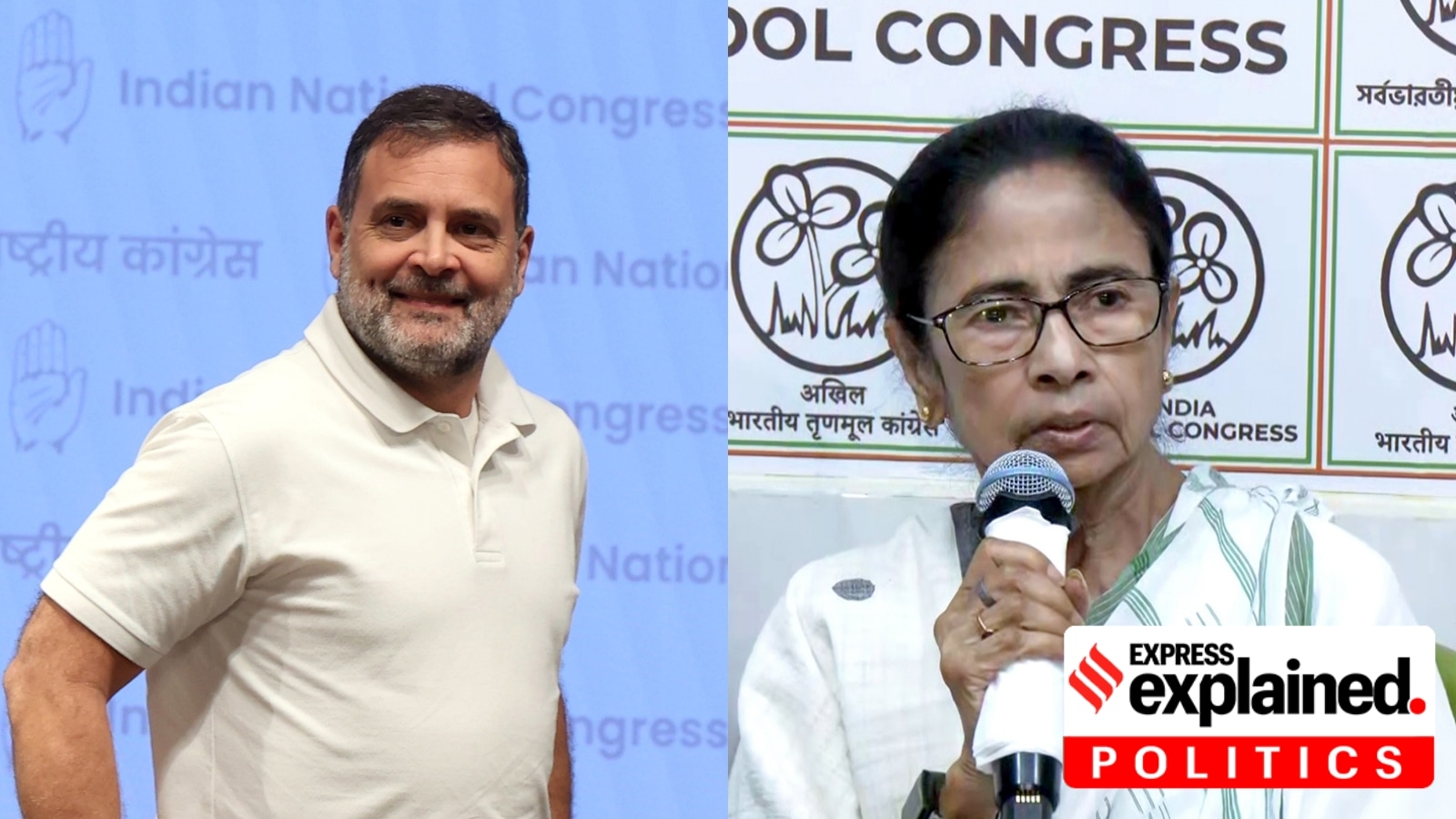
Gandhi Challenges TMC's Bengal Election Spin
Rahul Gandhi's opposition to Mamata Banerjee's framing of the 2024 West Bengal election results signals a deeper strategic rift within the INDIA bloc, jeopardizing its unity against the BJP.
Rahul Gandhi has publicly opposed the Trinamool Congress's (TMC) post-election narrative in West Bengal, raising concerns about the cohesion of the INDIA bloc. The friction emerged following the 2024 Lok Sabha election results, where the Bharatiya Janata Party (BJP) made substantial gains, securing 30 out of 42 seats in the state. While the TMC, led by Mamata Banerjee, retained its status as the single largest party by winning 29 seats, its mandate was reduced, and the BJP's surge challenged its dominance. Gandhi's stance suggests a strategic disagreement on how to interpret and present these outcomes, potentially weakening the alliance's united front against the BJP.
Power Dynamics in Play
Gandhi's objection centers on the TMC's seeming reluctance to acknowledge the BJP's significant advance in West Bengal and their tendency to frame their own reduced mandate as a victory. This approach, according to sources close to the Congress leadership, undermines the broader INDIA bloc's objective of presenting a unified and determined opposition. The TMC, as a powerful regional force, holds considerable leverage in West Bengal, a state crucial for any opposition coalition aiming to counter the BJP nationally. However, the Congress, while a national party, relies on such regional partners to build a formidable bloc. Rahul Gandhi's intervention highlights a critical power struggle within the alliance: whether to prioritize regional party survival narratives or the collective anti-BJP strategy. The BJP emerges as the primary beneficiary of this disunity, as it allows them to consolidate their gains and exploit opposition fissures.
Strategic Discord and Alliance Fractures
The strategic divergence between the Congress and the TMC is not new, rooted in historical rivalries and differing electoral approaches. In West Bengal, the TMC views itself as the bulwark against the BJP, while the Congress seeks to regain its footing and has often been at odds with the TMC over seat-sharing and campaign strategies. Gandhi's opposition implies his assessment that the TMC's chosen narrative – celebrating their continued regional strength despite electoral losses and BJP's gains – is counterproductive. It risks alienating potential INDIA bloc voters who see the BJP's national momentum as the more pressing threat. This public disagreement signals a deepening strategic rift that could embolden the BJP by showcasing the INDIA bloc's internal divisions ahead of future electoral challenges. The analysis suggests Gandhi's move aims to recalibrate the bloc's messaging towards a more unified anti-BJP posture, rather than focusing on individual party performances. Source: Explained Politics, Indian Express.
What to Watch Next
The immediate fallout will be closely observed. Key developments to monitor include whether Rahul Gandhi's stance prompts a shift in the TMC's public messaging in West Bengal, and how Mamata Banerjee's party responds to this direct challenge from a prominent INDIA bloc leader. The relationship dynamics between the Congress and TMC will be crucial for the bloc's effectiveness in future elections and parliamentary proceedings. Observers will be watching for any further public statements or private negotiations that could either mend or solidify the discord. The next significant decision point will likely arise in regional and national opposition strategy meetings, where the interpretation of electoral mandates and alliance cohesion will be paramount for the INDIA bloc.
Discover more
India
Modi's Women’s Convention in Varanasi
Modi's Varanasi rally frames women's reservation as a national mission, targeting the 2027 Uttar Pradesh elections with a strategic narrative.

Conflict & Security
Drone Warfare Killing Aid Workers at Unprec
Over 1,000 humanitarian workers killed in three years as cheap armed drones collapse legal protections. Gaza, Sudan, Ukraine, and DRC see deliberate targeting of aid convoys and hospitals with zero prosecutions.

Global
World Normalises Taliban as Afghan Women Eras
UN data shows Afghan women erased from public life as Russia recognises the Taliban, EU hosts officials in Brussels, and ICC warrants for gender persecution go unenforced.
Conflict & Security
West Africa Food Crisis: Three Shocks in 2026
Conflict, climate extremes, and the Strait of Hormuz closure drive a severe food crisis in West and Central Africa, with fertilizer prices surging 80% and millions displaced.