French Open pay fight meets a very public limit
Top stars are squeezing Roland Garros over prize-money shares, but the crowds are still showing up — and that blunts the leverage test.
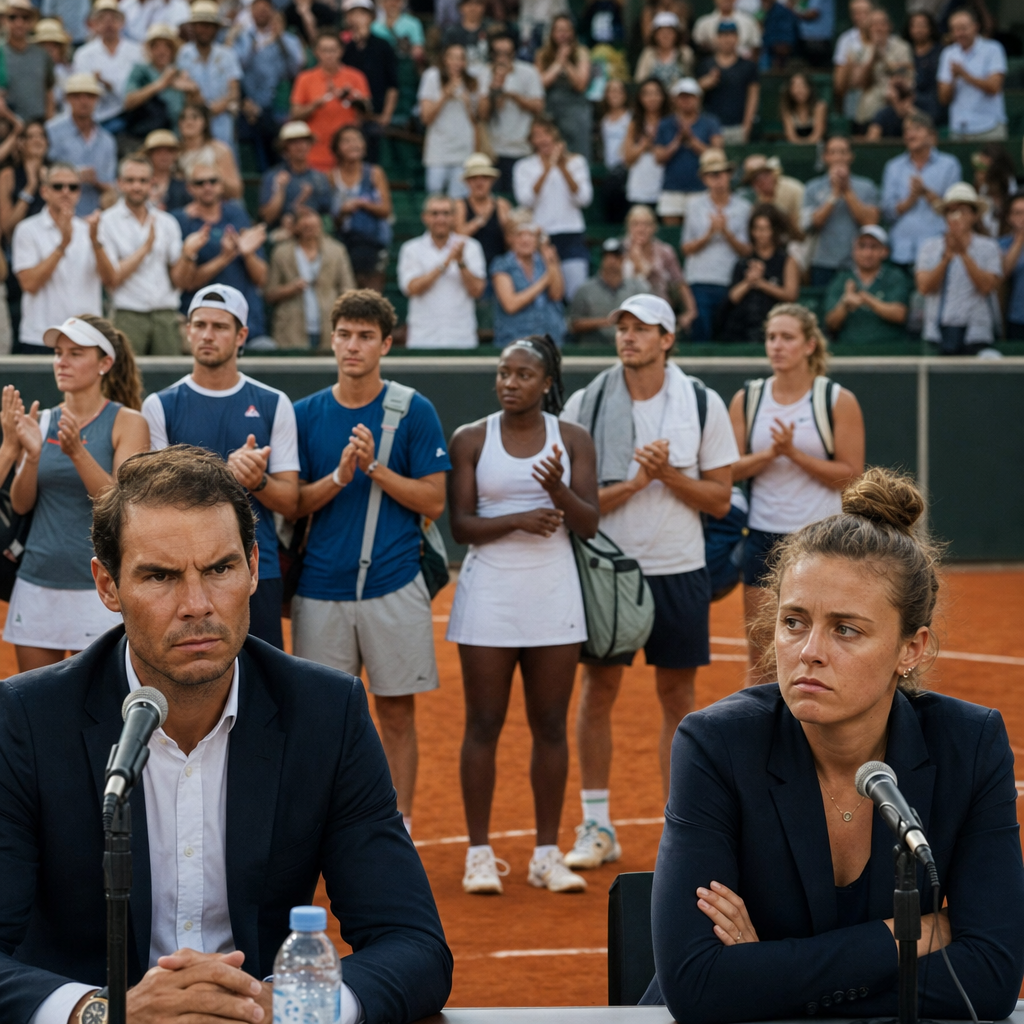
The French Open’s player protest is designed to force a revenue fight, not win a popularity contest. Top players cut short press commitments at Roland Garros this week, limiting interviews to 15 minutes in a symbolic swipe at the Grand Slams’ prize-money split, while the French Tennis Federation said it “regrets” the move and is open to talks ( BBC Sport;
  Al Jazeera/AP). But the deeper signal is that fans at the tournament are still turning out for the lower-ranked players the stars say they are fighting for, which narrows the pressure on tournament organizers and shifts some of the moral high ground away from the top of the game (
 The New York Times / The Athletic).
The leverage is real — but limited
The players’ complaint is straightforward: Roland Garros is offering too small a slice of a fast-growing business. The French Open’s prize pot rose 9.5% this year to €61.7 million, but the event’s revenue rose 14% to €395 million last year, which left players with a 14.3% share of revenue, according to reporting cited by the BBC and AP (BBC Sport; Al Jazeera/AP). The players want 22% of Grand Slam revenue by 2030 and better welfare, pension, and scheduling protections (BBC Sport).
That is not a trivial ask. The Grand Slams need the stars for TV, ticket sales, and global attention. But the protest chosen here — a “work-to-rule” media slowdown — shows the players know they cannot credibly threaten the tournament itself without risking backlash, fines, or a public split among the men’s and women’s draws (BBC Sport; BBC Sport). It is leverage, but disciplined leverage.
Why the lower-ranked players matter
This is where the French Open crowd behavior matters. If spectators keep buying tickets and gravitating toward the wider draw, the protest stops looking like a rebellion on behalf of the whole sport and starts looking like a dispute led by the elite. That weakens the stars’ argument that they are fighting for everyone below them, especially when the main beneficiaries of a revenue-share increase would likely be the lower-ranked players who depend most on Grand Slam checks.
That dynamic cuts both ways. A successful campaign would not just increase first-place prize checks; it would likely improve the economics of early-round and lower-ranked players who absorb the sport’s most fragile margins. That is why the dispute is now bigger than a press boycott. It is really about who gets to define tennis economics: the four majors, or the players who generate the product. For context on the sport’s broader institutional politics, see  Global Politics.
What to watch next
The next decision point is whether this stays symbolic or escalates into a broader boycott threat. The French meeting with tournament chief Amélie Mauresmo and FFT president Gilles Moretton is the immediate test, but Wimbledon’s prize-money announcement in early June is the more important marker (BBC Sport). If that number disappoints, the players’ campaign will shift from a French Open protest to a Grand Slam-wide confrontation — and the question will be whether the lower-ranked players, the ones fans are actually turning out to see, are still aligned with the stars leading the charge.