The French Open has officially moved past its opening rounds, setting up potential blockbusters on the court. But the real power struggle at Roland Garros this year is playing out in press rooms and negotiation chambers.
As stars like world number one Aryna Sabalenka and four-time Grand Slam champion Naomi Osaka cruised through their opening matches in Paris, they did so against a backdrop of  unprecedented player solidarity. The leading stars of both the ATP and WTA tours have locked horns with Grand Slam organizers over what they claim is an unfair distribution of the sport's booming revenues.
The 15% Standoff
The core conflict centers on money. The world’s top players, spearheaded by former WTA chief executive Larry Scott, are demanding that Grand Slams allocate 22 percent of their revenues to prize money by 2030, matching the revenue-sharing model seen on the standard ATP and WTA tours. Currently, major tournaments average a payout of roughly 15 percent.
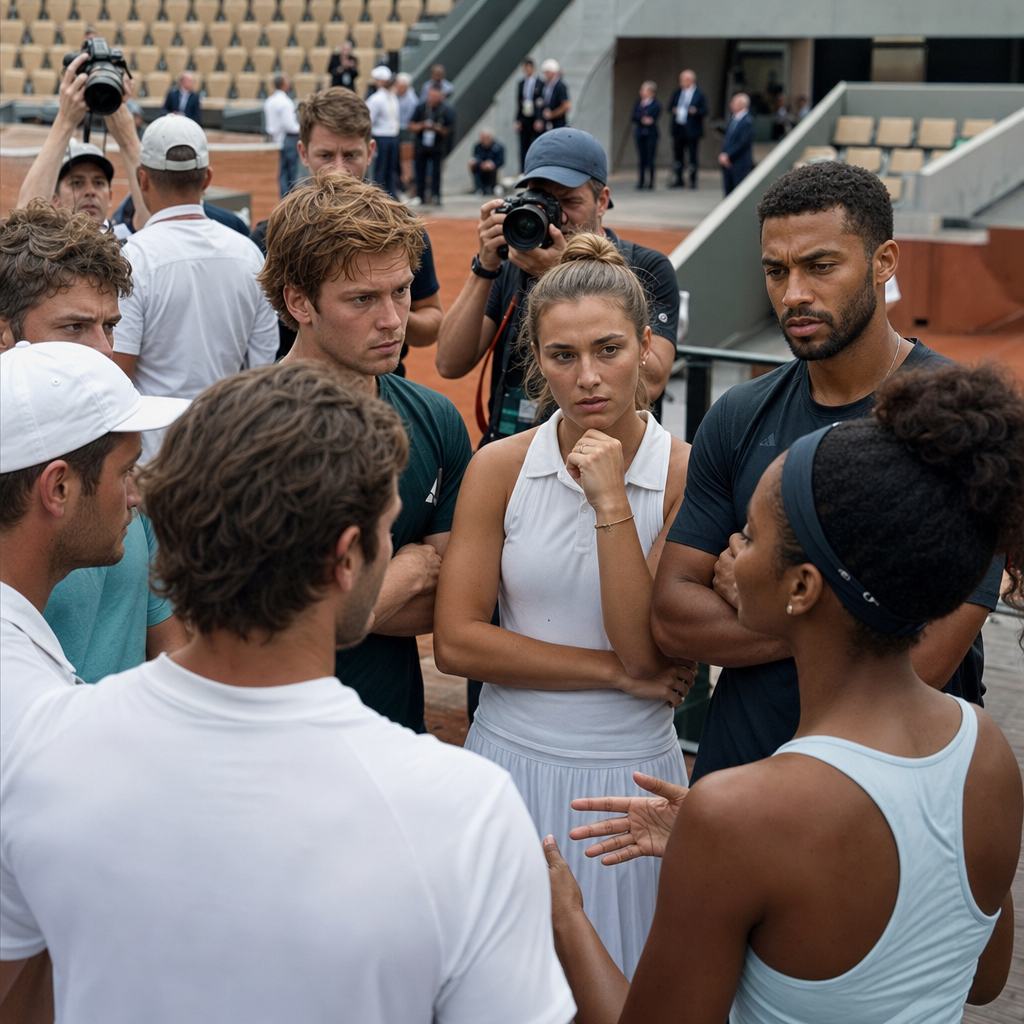
The tension boiled over during pre-tournament media days when top stars, including Sabalenka, Jannik Sinner, and defending champion Coco Gauff, implemented a  "work-to-rule" protest, limiting their press conferences to exactly 15 minutes to symbolize the 15 percent payout. Sabalenka and Gauff have even floated the possibility of future player boycotts if their demands are ignored.
The players hold considerable leverage because they are the entertainers driving the multi-million dollar broadcast contracts. While the French Tennis Federation (FFT) initially "regretted" the media boycott, FFT president Gilles Moretton and tournament director Amelie Mauresmo were forced to  hold an emergency meeting with player representatives on the eve of the tournament. The FFT has since committed to negotiating directly with the players' group. However, Mauresmo already confirmed that this year’s €61.7 million prize pot will not be adjusted mid-tournament.
Who Stand to Gain and Lose
The Grand Slam tournaments—Roland Garros, Wimbledon, the US Open, and the Australian Open—have the most to lose. These tournaments operate as highly profitable, independent entities. For example, Wimbledon's revenues soared from £165 million in 2015 to more than £420 million last year, while the players' relative share of that wealth has steadily shrunk. If players successfully coordinate a boycott, the commercial value of these historic marquee events would instantly collapse.
Conversely, lower-ranked players stand to benefit the most from this campaign. While superstars like Sabalenka and Osaka secure millions in external sponsorships, players ranked outside the top 100 often struggle to break even due to high travel, coaching, and training expenses. The players’ coalition is specifically demanding that a larger slice of the prize money pie trickle down to early-round losers, alongside beefed-up contributions to healthcare, maternity leave, and pension funds.
The structural leverage shifted further in Sabalenka's favor on court. With world number two Elena Rybakina suffering a shock second-round exit to Yuliia Starodubtseva, Sabalenka is guaranteed to retain her world number one ranking regardless of her Roland Garros finish. Free from ranking pressure, she remains the most politically vocal leader of the labor push.
What to Watch Next
The immediate battleground now shifts from Paris to London. Player representatives have scheduled high-level meetings with executives from the All England Club (AELTC) and the US Tennis Association during the second week of the French Open.
The critical date to watch is June 11, 2026, when the AELTC is scheduled to announce the prize money pool for Wimbledon. If the All England Club fails to meet the players' demand for a 16 percent revenue allocation for this year's tournament—which would require a massive 34 percent prize money increase to over £70 million—disruptive protests or targeted player boycotts are highly likely when play begins in SW19 on June 28.