FBI Investigation in Cuba
FBI probes deadly shootout amid escalating tensions with Cuba.
Model Diplomat7 min readCuba
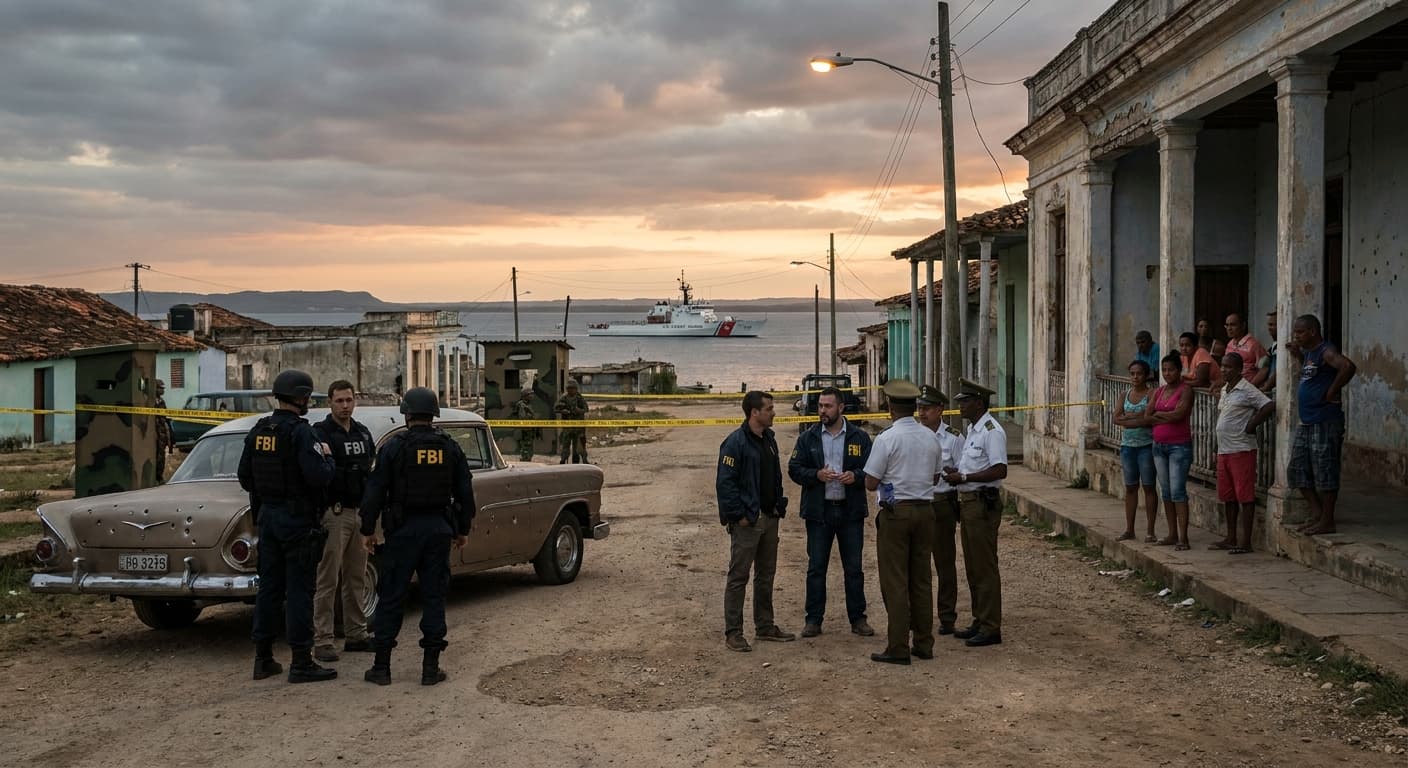
FBI Investigation in Cuba: Havana Lets Agents In as Trump Escalates
The FBI is on the ground in Cuba probing the February 25, 2026 speedboat shootout that killed five — the last working U.S.–Cuba channel as Trump reimposes sanctions and indicts Raúl Castro.
An FBI technical team landed in Havana on April 1, 2026 to investigate the killing of five men aboard a Florida-registered speedboat by Cuban border guards on February 25 — the first joint U.S.–Cuban criminal probe of the second Trump term, and the only functioning bilateral channel left as Washington restores Cuba's terrorism designation, sanctions its security services under emergency powers, and indicts former President Raúl Castro. Havana wants the visit to look like cooperation. Washington wants a paper trail on a dead U.S. citizen. Neither side expects the investigation to change the political trajectory — that is precisely why it was allowed to happen.
What the FBI is actually there to do
The U.S. Embassy in Havana announced the FBI trip on April 1, 2026, describing it as part of a "thorough and independent investigation." An embassy official told Reuters, in a statement reprinted by Al Jazeera, that Washington "will independently verify the facts and make decisions based solely on US interest, US law, and the protection of US citizens." Cuba's deputy foreign minister Carlos Fernández de Cossío had earlier told reporters that the United States had shown "willingness" to cooperate on "clarifying these regrettable events," according to the
BBC.
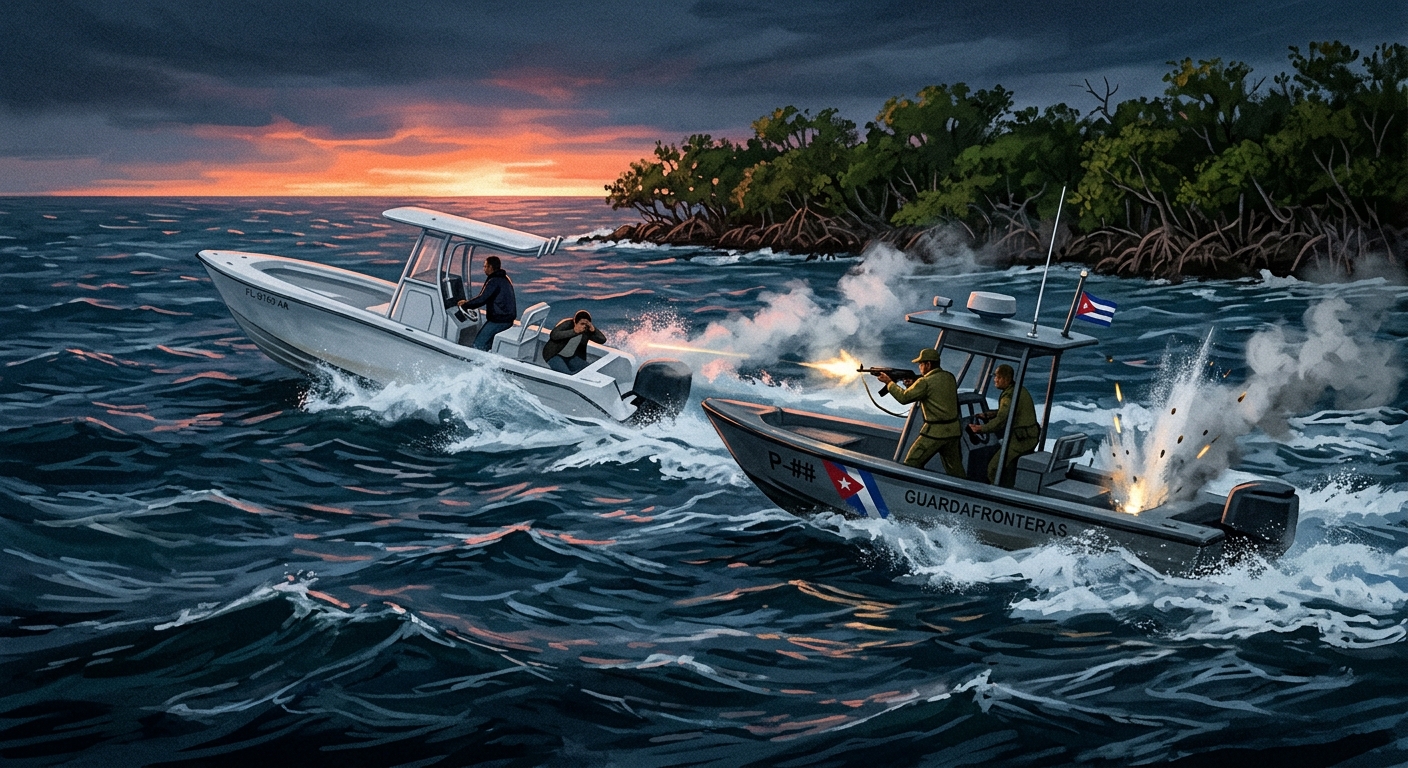
The precipitating incident is not in dispute in outline, only in interpretation. According to the Cuban Ministry of the Interior, a five-member border patrol on a nine-metre boat intercepted a Florida-tagged speedboat, registration FL7726SH, roughly one nautical mile off Cayo Falcones in Villa Clara province at dawn on February 25. Havana says the boat opened fire from 185 metres, wounded the Cuban commander in the abdomen, and was rammed and boarded in a firefight at 20 metres. Four men were killed on scene; a fifth, Roberto Álvarez Ávila, died on March 4 of his wounds, per an AP report carried by Al Jazeera. At least one American citizen was among the dead, a U.S. official told
NPR.
Cuba displayed the seized cargo publicly in Havana on February 27: 13 rifles, 11 pistols, roughly 12,800 rounds of ammunition, Molotov cocktails, telescopic sights, bulletproof vests and camouflage. The Interior Ministry called the mission an "infiltration for terrorist purposes." One of the survivors, Amijail Sánchez González, runs an exile group called Auto Defensa del Pueblo — "People's Self-Defense" — whose leader Michel "Kiki" Naranjo Riverón told NPR the network was built to sabotage the Cuban government from within. Havana filed terrorism charges against six survivors in early March.
The FBI is not being handed a whodunit. It is being asked to build an independent evidentiary record on three questions Washington cares about: whether the dead U.S. citizen was executed or fell in a firefight, whether the vessel was stolen — the registered owner told U.S. investigators an employee took it, per NPR — and whether U.S.-based financiers organized the mission, which would expose them to Neutrality Act and 18 U.S.C. § 2339A material-support charges in Florida. State Attorney General James Uthmeier has already opened a parallel Florida probe.
Why Havana let them in — and why Rubio needs them there
The FBI presence is a hostage exchange dressed as forensics. Havana gains a photograph of American federal agents on Cuban soil, at Cuba's invitation, cooperating on a case Cuba is framing as U.S.-sponsored terrorism. That photograph directly rebuts the U.S. State Sponsor of Terrorism designation that Trump restored on January 20, 2026 — reversing the Biden rescission of January 14, 2025 — as documented by the Congressional Research Service. Cuba has been quietly making the same argument since 2015: that it is Washington, not Havana, that refuses to sign a full law-enforcement Memorandum of Understanding. A Cuban Interior Ministry paper delivered at the CIPI research institute in 2024 lists Havana's repeated offers to formalize cooperation on terrorism, migration and narcotics — offers that were never answered, according to
CIPI.
Rubio's calculation is narrower and legal. A U.S. citizen is dead in Cuban custody or waters; a second is wounded and detained; a third was in the United States on a K-1 fiancée visa, per the BBC. The State Department cannot leave that unaddressed without inviting a wrongful-death suit and congressional oversight from the same South Florida delegation — Carlos Giménez, Mario Díaz-Balart, María Elvira Salazar — that supplies the political base for Rubio's own Cuba policy. Rubio, whose parents left Cuba in the 1950s, told reporters on February 25 that "Cuba's status quo is unacceptable" and "needs to change," according to the
BBC. The FBI trip lets him hold both positions at once: pressure the regime, but establish the record on the dead American.
The historical parallel that reframes the visit
This is the third time in three decades the FBI has flown to Havana to work an exile-violence case, and the pattern is instructive. Agents traveled to Cuba in 1997, 2000 and again in late 2006 to gather evidence on the 1997 hotel bombings tied to former CIA operative Luis Posada Carriles, according to a 2007 NPR account. The first two visits went nowhere. The third, Dina Temple-Raston reported, produced access to witnesses, forensics and the crime scene — because a federal grand jury in New Jersey needed it. Cooperation moved when U.S. prosecutorial timelines forced it, not when relations warmed.
The 2016–2018 "Havana syndrome" episode is the counter-example. Cuba let U.S. investigators visit three times, but the Intelligence Community's 2023 assessment concluded it was "very unlikely" a foreign adversary was responsible — a judgment that only hardened Washington's hawks against Havana rather than absolving it, per the Office of the Director of National Intelligence. The lesson for Havana in 2026 is that granting access does not buy political credit; it buys, at best, a narrower indictment.
That helps explain why Cuba is granting access anyway. A criminal file that names Cuban-American organizers of the Cayo Falcones mission would be politically radioactive in Florida — and would force the Justice Department to choose between prosecuting exiles the Trump White House has spent 18 months courting and burying an investigation involving a dead U.S. national. Havana's bet is that Washington cannot do both cleanly.
What everyone else is doing while the FBI works
The FBI's forensic mission sits inside an escalation ladder that is climbing on its own. On January 29, 2026, Trump signed Executive Order 14380, declaring a national emergency over Cuba and creating a secondary-tariff mechanism against countries that supply oil to the island, per the White House. In May 2026 he expanded that emergency into a full International Emergency Economic Powers Act sanctions regime targeting Cuban officials, security services and any foreign financial institution that transacts with them, according to the presidential order posted by the
White House.
Two weeks later, on May 20, U.S. federal prosecutors unsealed an indictment of former Cuban president Raúl Castro over the 1996 shootdown of Brothers to the Rescue aircraft that killed four, as reported by Al Jazeera. William LeoGrande of American University told Al Jazeera the indictment was "a political gift from Marco Rubio and Donald Trump to Cuban Americans in South Florida" and "likely to be the final nail in the coffin for any hope of a diplomatic agreement." Senators Ruben Gallego, Tim Kaine and Adam Schiff have reintroduced a war-powers resolution to require congressional authorization before any military action against Cuba.
Inside that ladder, the FBI trip is the one rung going the other way. It is also the rung with the shortest life expectancy. If the Bureau's file corroborates any part of Havana's version — that the speedboat fired first, that its cargo was consistent with an armed incursion — it hands Cuba a rhetorical weapon at exactly the moment Rubio is arguing the opposite in front of Congress. If the file contradicts Havana, the FBI will not be invited back.
What to watch next
- The FBI's report to Justice. No public deadline has been set, but the Southern District of Florida is the venue where any charges against U.S.-based organizers of the mission would land. A grand jury impanelment — as in the Posada case in 2006 — would be the tell.
- The six defendants in Havana. Cuba has filed terrorism charges against the six survivors and stated that "new elements are being obtained that establish the involvement of other individuals based in the US," per
Al Jazeera. A trial date, or a swap offer, would be the next visible move.
- The Gallego–Kaine–Schiff war-powers resolution. Reintroduced after the Castro indictment on May 20; a Senate floor vote would test how far Republican Cuba hawks are willing to go, and whether the FBI file gets weaponized in that debate.
- Cuba's SSOT status. H.R. 450 in the 119th Congress would statutorily bar removal of the designation until a transitional government exists in Havana, per
CRS. Any FBI finding that Havana acted within its rights at Cayo Falcones would collide with that bill's premise.
The Bottom Line
The FBI investigation in Cuba is not a thaw — it is a controlled leak in an otherwise sealed relationship, kept open because a dead American citizen legally requires it and because Havana has calculated that being seen to cooperate is cheaper than being seen to refuse. The evidentiary record the Bureau builds at Cayo Falcones will matter less for what it proves about February 25 than for who it names on the U.S. side of the water, and whether the Trump administration is willing to indict Cuban-American exile organizers at the same moment it is indicting Raúl Castro. That is the choice this file forces, and it is the one Washington has spent 60 years avoiding.
Discover more
Economics
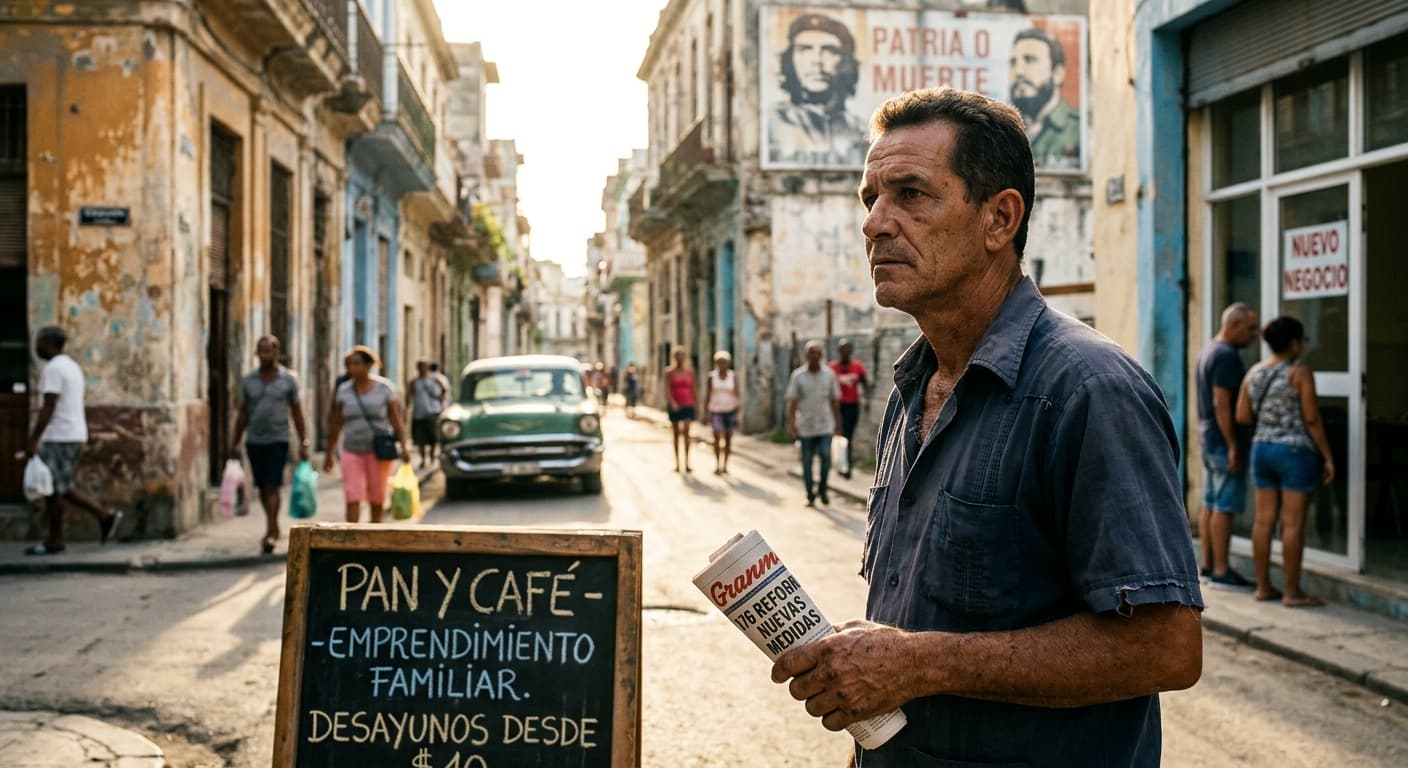
Cuba's 176 Reforms: A Coerced Opening
Cuba's National Assembly approves 176 reforms to liberalize the economy under U.S. pressure, reshaping investment dynamics on the island.
Global Politics
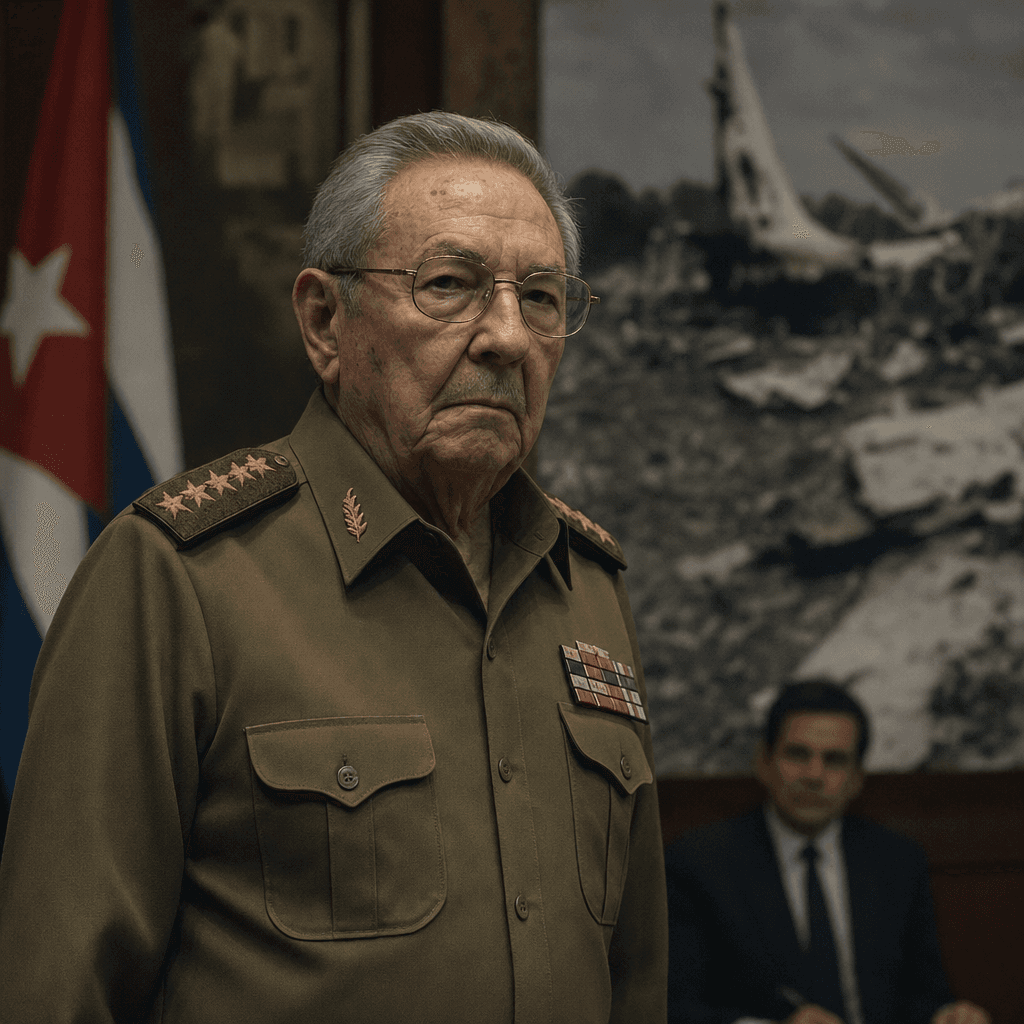
Raúl Castro Charged in 1996 Plane Shootdown
US prosecutors have indicted Raul Castro over the 1996 downing of two exile planes, reviving old tensions in US-Cuba relations and energizing exile politics in

Conflict & Security
Drone Warfare Killing Aid Workers at Unprec
Over 1,000 humanitarian workers killed in three years as cheap armed drones collapse legal protections. Gaza, Sudan, Ukraine, and DRC see deliberate targeting of aid convoys and hospitals with zero prosecutions.

Global
World Normalises Taliban as Afghan Women Eras
UN data shows Afghan women erased from public life as Russia recognises the Taliban, EU hosts officials in Brussels, and ICC warrants for gender persecution go unenforced.