Fadnavis Leans on Shah for Sugar Relief, Onion Money
[Maharashtra got a partial win in Delhi: Shah backed bigger onion procurement and signalled sugar relief, but the Centre is still holding the line on pricing.]
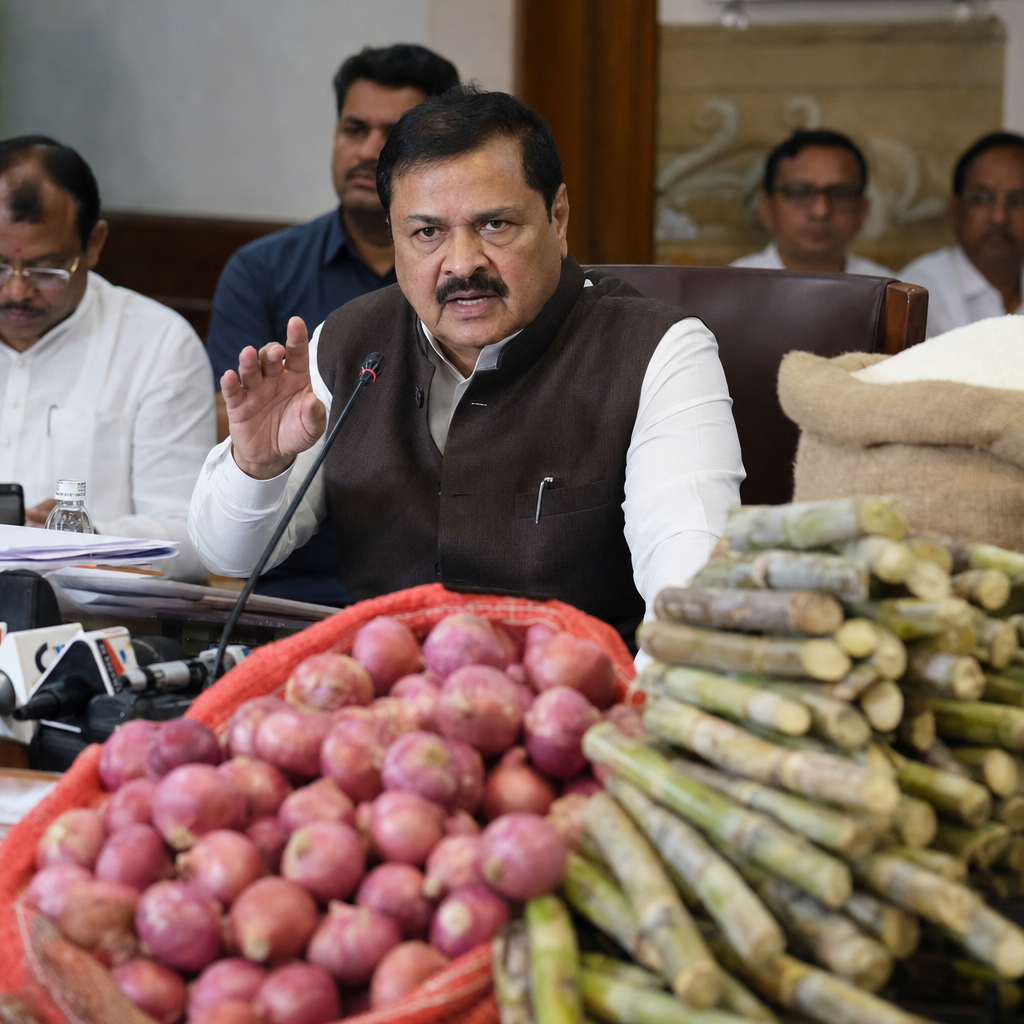
Devendra Fadnavis is trying to turn Maharashtra’s farm distress into bargaining power at the Centre, and Amit Shah is responding selectively. After meeting the Union home and cooperation minister in Delhi, Fadnavis said Shah agreed that the sugar minimum selling price should rise and that the ethanol quota for mills should be expanded, while also accepting Maharashtra’s demand to raise onion procurement from two lakh metric tonnes to 10 lakh metric tonnes and to buy directly from farmers instead of traders ( The Indian Express). For Maharashtra, this is not just farm policy; it is a fight over who absorbs the cost of price stabilization. For a wider view of this rural bargaining, see
  India.
Sugar is where the Centre has the least room
The sugar ask is the bigger test. Maharashtra told Delhi that cane farmers’ Fair and Remunerative Price has climbed 26 per cent, from Rs 2,750 per tonne in 2018-19 to Rs 3,550 in 2025-26, while the sugar MSP has stayed frozen at Rs 31 per kg; Fadnavis wants that lifted to Rs 41 per kg (The Indian Express). The state also says mills can produce 424 crore litres of ethanol but have been allotted only 116 crore litres, leaving capacity underused (The Indian Express). That is why sugar cooperatives are pressing for a pricing reset: their costs rise, but the state has kept retail inflation under control by capping what the mills can sell.
The political logic is straightforward. Fadnavis is asking Delhi to protect the cooperative sector before the financial stress spills into farmer arrears and rural anger. Mid-Day reported that onion growers have already been protesting falling prices and that the state is trying to stabilize the market with a minimum assured procurement price of Rs 1,580 per quintal ( mid-day). The beneficiaries here are sugar millers, cooperative networks and onion growers in Maharashtra’s key districts. The losers are traders who thrive on middlemen margins, and any consumer-facing ministry that has to defend inflation at the national level.
Delhi is balancing rural relief against inflation control
The Centre is not operating in a vacuum. India imposed a ban on sugar exports until the end of September to protect domestic supply, a sign that food inflation remains a priority for New Delhi ( CNA). At the same time, the India Meteorological Department is forecasting a weaker monsoon at 92 per cent of the long-period average, which raises the risk of higher food prices later in the year (CNA). That matters because a sugar MSP hike would help mills immediately, but it also risks feeding the inflation problem the Centre is already trying to suppress. In other words, Delhi can afford relief in procurement; it is far less likely to move quickly on any measure that looks like a broad price increase.
What to watch next
The next decision point is the detailed proposal the Centre has asked Maharashtra to submit on sugar-sector issues (The Indian Express). Watch three things: whether Delhi converts verbal backing into a formal sugar MSP revision; whether ethanol allocations are actually expanded for mills; and whether the onion procurement target is funded and executed directly through farmers rather than traders. If the Centre moves, it will be because it wants to contain rural anger in Maharashtra without opening the door to a wider inflation story.