Ethiopia Blames Sudan for Anti-Addis Forces
Tensions rise as Ethiopia rejects Sudan's border claims.
Model Diplomat2 min readHorn of Africa
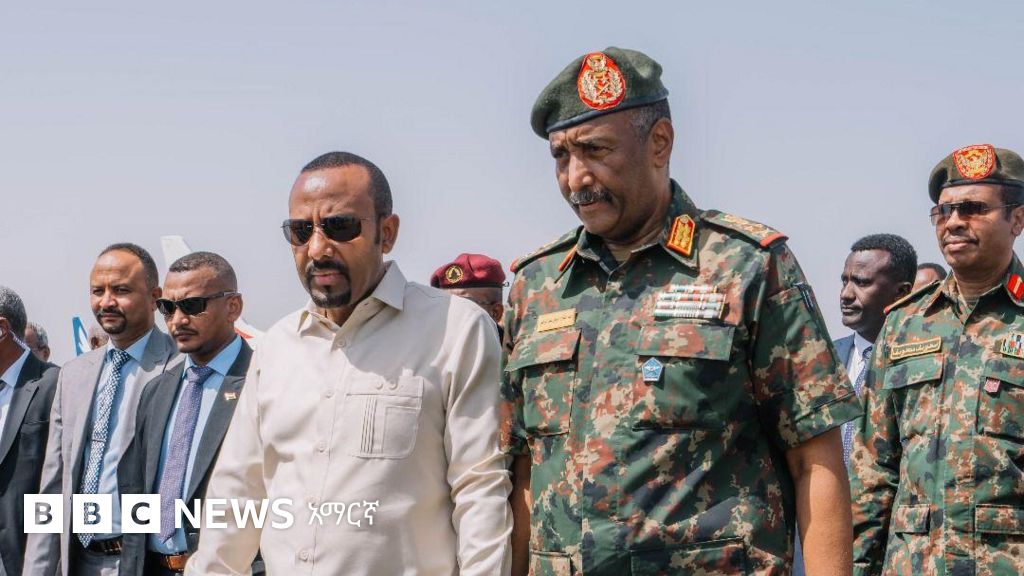
Ethiopia Accuses Sudan: Khartoum a 'Hotbed for Anti-Addis Forces'
Ethiopia rejects Sudan army border claims, accusing Khartoum of supporting anti-Ethiopian groups. Escalation deepens regional instability.
Ethiopia has officially rejected claims by the Sudanese army regarding cross-border incursions, instead leveling a serious counter-accusation: Addis Ababa now designates Khartoum as a "center for anti-Ethiopian forces." This dramatic reversal, reported by BBC News Amharic on May 5, 2026, escalates simmering tensions between the two neighbors and signals a widening regional deficit of trust.
Source Title
Border Dispute and Proxy Concerns Intensify
This exchange unfolds against a complex backdrop of long-standing animosity and territorial disputes, most notably around the fertile al-Fashaga region. For years, clashes have erupted over Ethiopia's expansion into lands Sudan claims as its own Source Title. The Sudanese army, currently locked in a protracted internal conflict with the Rapid Support Forces (RSF), appears to be leveraging external accusations to bolster its narrative. Reports from early May 2026 indicated the Sudanese army claimed to have repelled Ethiopian incursions and destroyed military equipment in Gedaref province, though details remain contested.
Source Title
Ethiopia's counter-charge that Sudan harbors "anti-Ethiopian forces" points to specific national security concerns. Addis Ababa has previously expressed apprehension regarding Sudanese territory providing sanctuary to groups such as the Oromo Liberation Front (OLF) or remnants of Tigrayan forces, complicating Ethiopia's internal security landscape.
Source Title
Power Dynamics and Regional Chess
The immediate beneficiaries of this rhetorical escalation are actors who thrive on regional instability. For elements within Sudan's military leadership, the accusations serve to rally nationalistic sentiment against an external "enemy," potentially diverting attention from the severe ongoing civil war. This allows them to project an image of strength and sovereignty at a critical juncture.
For Ethiopia, framing the dispute as a deliberate act of regional destabilization by Khartoum—rather than solely a territorial disagreement—aims to internationalize its grievances and potentially garner diplomatic support. The implications for Global Politics are significant; a fractured Sudan and an embattled Ethiopia create strategic vacuums that regional and international powers, including Egypt and Eritrea, may seek to exploit, further complicating efforts for peace and stability in the Horn of Africa.
What to Watch Next
The critical question is whether this verbal sparring escalates into kinetic action. Investors and policymakers will monitor troop movements along the shared, heavily militarized border, particularly in the al-Fashaga salient, for any signs of impending confrontation. Diplomatic interventions from regional bodies like IGAD, or pronouncements from key international stakeholders such as Egypt, will be crucial in assessing de-escalation pathways.
Source Title
The capacity of Sudan's army to manage its existentialinternal Conflict while engaging in a high-stakes diplomatic spat with Addis Ababa is a principal concern. The next 72 hours will be decisive in determining if de-escalation mechanisms can be activated or if this exchange pushes the two nations further toward direct military confrontation.
Discover more

Global Politics
US Seizes Iranian Ship, Tensions Surge
The US seizure of the Iranian ship Touska highlights a shift in control over the Strait of Hormuz, favoring Iran's strategic position.
India
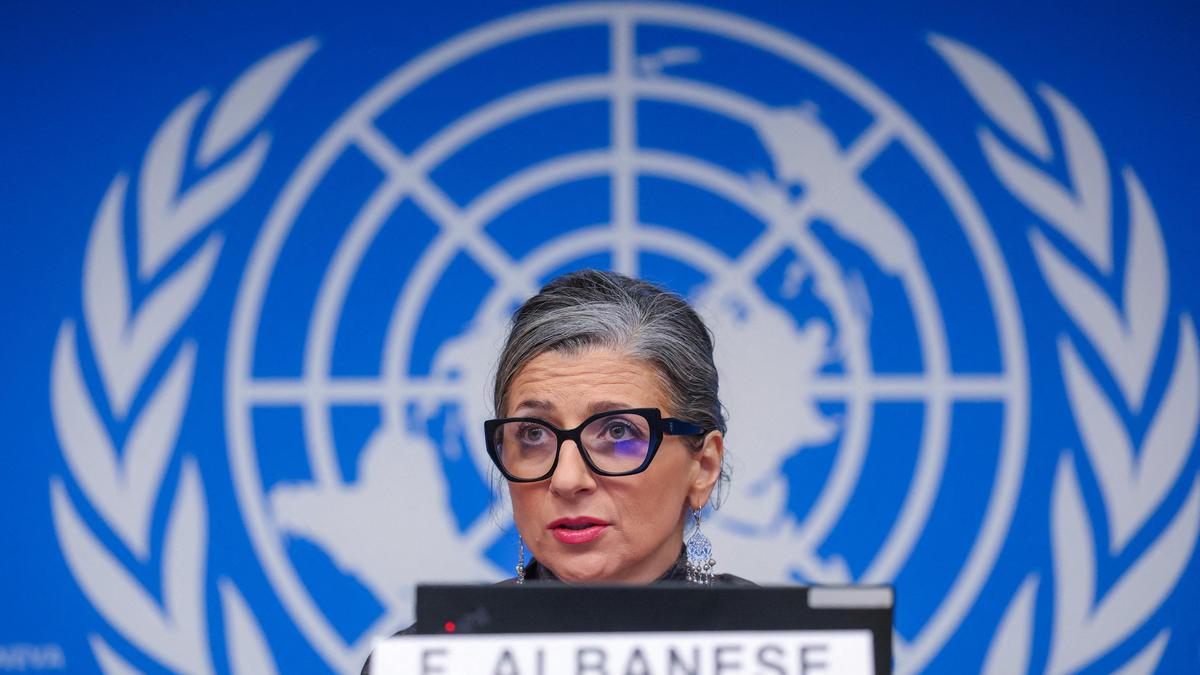
UN Expert Albanese: India Violates Law
UN Rapporteur Francesca Albanese accuses India of breaching international law, spotlighting human rights concerns in Kashmir and prompting diplomatic pushback.

Conflict & Security
Drone Warfare Killing Aid Workers at Unprec
Over 1,000 humanitarian workers killed in three years as cheap armed drones collapse legal protections. Gaza, Sudan, Ukraine, and DRC see deliberate targeting of aid convoys and hospitals with zero prosecutions.

Global
World Normalises Taliban as Afghan Women Eras
UN data shows Afghan women erased from public life as Russia recognises the Taliban, EU hosts officials in Brussels, and ICC warrants for gender persecution go unenforced.