Drone Strikes on 'Russian Davos' Shatter
Kyiv's drone attacks expose Russia's air defense gaps.
Model Diplomat2 min readEurope
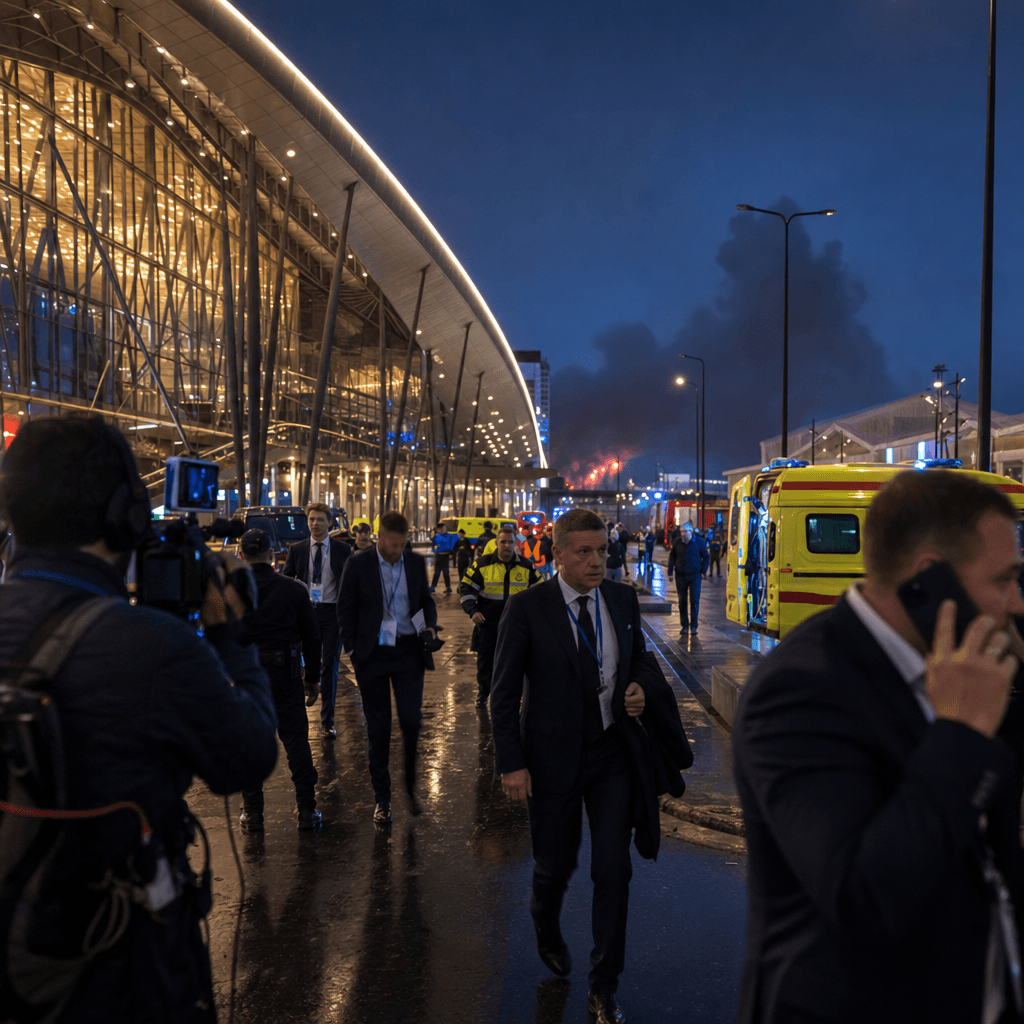
Drone Strikes on 'Russian Davos' Shatter Putin's Normality Narrative
Kyiv’s deep-penetration drone attacks on St. Petersburg expose critical gaps in Russia's air defenses during its premier international showcase.
On June 6, 2026, Ukraine launched a massive wave of long-range drones targeting Russia’s second-largest city on the final day of the St. Petersburg International Economic Forum (SPIEF). The assault capped off a week of intense asymmetric pressure on the high-profile gathering, colloquially known as the "Russian Davos." According to Al Jazeera, Russia’s defense ministry claimed to have downed 376 Ukrainian drones overnight across 16 regions, with 86 intercepted over the Leningrad region alone, while
France 24 confirmed that the escalation targeted the immediate vicinity of President Vladimir Putin's showcase event.
The strikes represent a deliberate power play by Kyiv to disrupt Russia’s attempts to project diplomatic and economic stability. By bringing the war directly to St. Petersburg—located more than 1,000 kilometers from the Ukrainian border—Kyiv has punctured the Kremlin’s narrative that Russia's heartlands remain insulated from the conflict. President Volodymyr Zelenskyy cast the operations as "long-range sanctions" directly targeting the logistical and industrial networks enabling the Russian military, as reported by the
BBC.
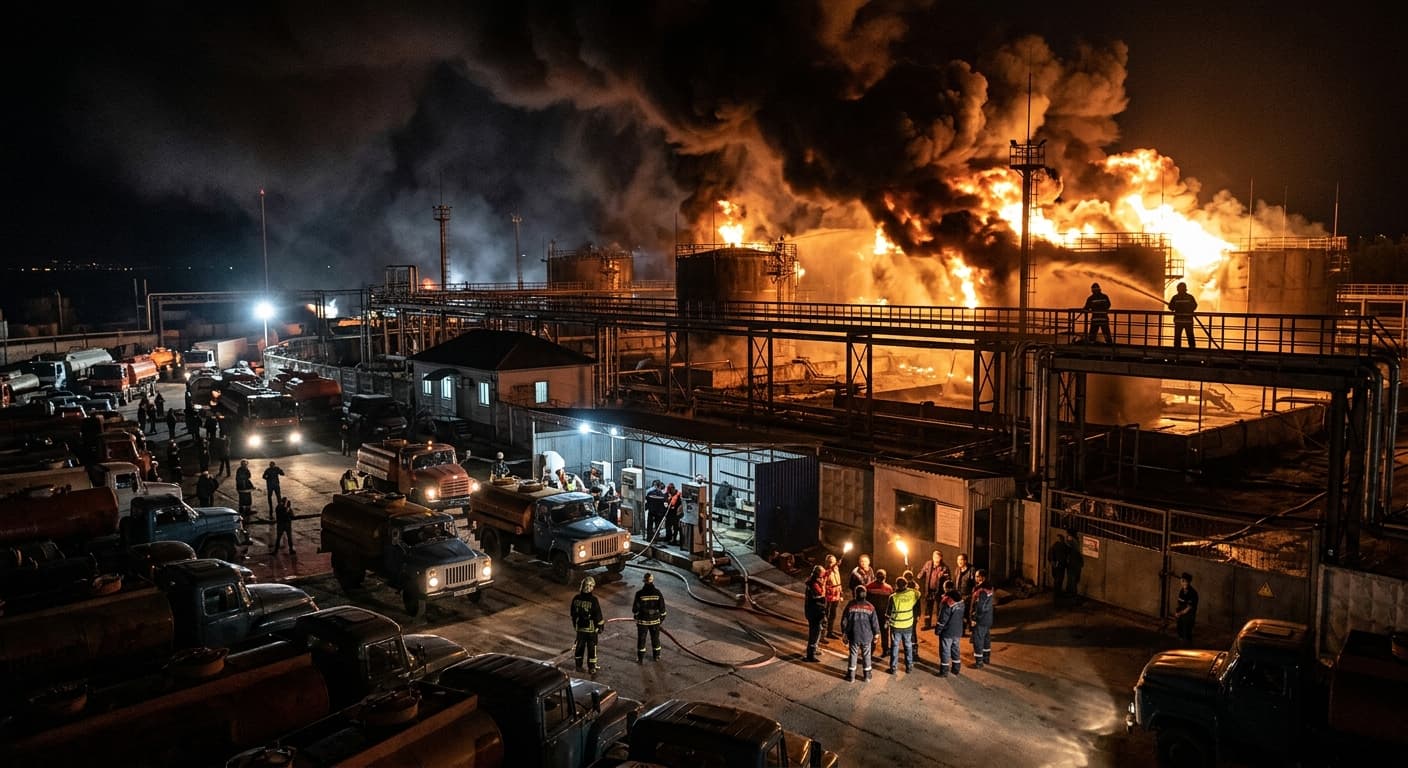
Tactically, Ukraine has demonstrated a highly sophisticated deep-strike capability that forces Moscow to make hard choices regarding its air defense allocation. Earlier in the week, on the forum's opening day, Ukrainian drones successfully penetrated local defenses to strike the Petersburg Oil Terminal and the Kronstadt naval base, damaging the Corvette Boikiy of the Russian Baltic Fleet, according to the BBC. This forced local authorities to temporarily shut down Pulkovo Airport and restrict mobile internet, showing that relatively low-cost drone operations can inflict substantial economic and operational friction deep inside Russian territory.
The primary loser in this dynamic is the Russian state's projection of absolute domestic security to global partners. The Kremlin intended SPIEF to signal normal economic relations with the global market, hosting over 20,000 delegates from 130 countries, including high-profile foreign dignitaries like Chinese Vice President Han Zheng, as detailed by Al Jazeera. Instead, foreign investors and diplomatic delegations witnessed visible security panics, localized blackouts, and transport delays, effectively undermining Moscow’s efforts to project control.
Moving forward, the key factor to watch is how Russia alters its domestic air defense posture. Protecting vast economic infrastructure in northern Russia will require Moscow to redeploy scarce air defense systems from the front lines, potentially creating critical vulnerabilities that Ukrainian forces can exploit on the battlefield. The next decision point lies in whether Ukraine can sustain this operational tempo, converting sporadic symbolic strikes into a permanent campaign of economic attrition against Russia's vital Baltic energy terminals.
Discover more
Global
Kyiv's Empty Quiver: Ankara Summit on NATO
As Russia strikes Kyiv, NATO's Ankara summit must address Ukraine's urgent air defense needs amid dwindling interceptor supplies.
International Relations
Ukraine Drone Strikes Crimea Power Grid
Ukrainian drone strikes targeting Crimea's power grid signal a strategic shift, aiming to disrupt Russian logistics by hitting critical energy infrastructure.
Conflict & Security
Russia Encircles Konstantinovka—Key to Donbas
Russia's encirclement of Konstantinovka could unlock the wider Donbas for further advances, marking a pivotal moment in its grinding eastern offensive.
Conflict & Security
Ukraine's Energy Offensive Hits Crimea
Ukraine's drone campaign is disrupting Russian fuel supplies and forcing rationing in Crimea, turning energy infrastructure into a key front of the war.