Doval Tests India-China Ties at BRICS Summit
NSA navigates tensions amid West Asia crisis
Model Diplomat3 min readAsia
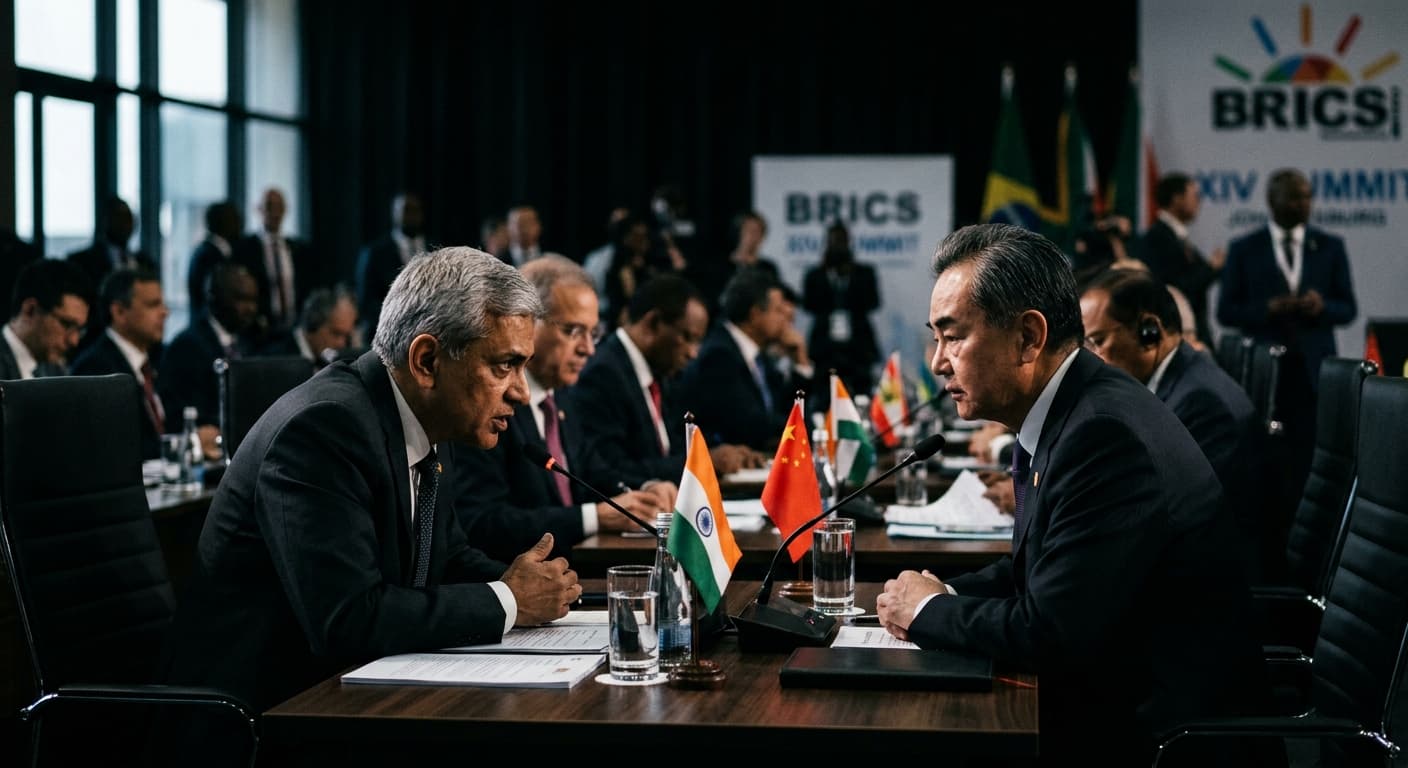
Doval Uses BRICS Summit to Test India-China Detente Amid West Asia Crisis
NSA hosts rival powers as Iran war winds down, setting stage for September summit and critical border talks
India is using a two-day BRICS security summit beginning June 22 to navigate a fractious bloc while testing whether China is willing to stabilize their border—a high-wire act that hinges on the fragile Iran-US ceasefire now unraveling in practice.
National Security Adviser Ajit Doval hosted representatives from all 11 member states on Monday, including China's Foreign Minister Wang Yi and Iran's Deputy Secretary for Defence Affairs Ghadir Nezamipour, against a backdrop of seismic regional realignment.
The Hindu reported that Doval met Nezamipour to review "the ongoing situation in West Asia" and discussed India-Iran bilateral ties. In a separate bilateral with Wang,
The Hindu noted that the two sides "noted progress towards gradual normalisation" and that Doval stressed "stable, predictable and constructive bilateral relations."
That framing matters. India is testing whether the recent India-China military disengagement announced in October 2024 signals genuine strategic recalibration or merely a tactical pause. The meeting comes seven months after the two sides agreed to restore military patrols along their disputed border following a four-year standoff triggered by the 2020 Galwan clash. But as UNI reported, "unresolved border disputes and broader strategic competition continue to define the relationship." Wang Yi, who holds the title of Beijing's Special Representative on the India-China border issue, is being used as a test of whether political dialogue can stay ahead of military mistrust.
The summit's broader challenge cuts deeper. BRICS has become a pressure cooker of competing interests: Russia and China view West Asia through the lens of Western interventionism; Iran seeks sanctions relief and reconstruction funds; Saudi Arabia and the UAE remain wary of Iranian power. NewsAge noted that the BRICS foreign ministers' meeting in May "concluded without a joint statement due to disagreements between Iran and the United Arab Emirates over developments in West Asia."
Now that the Iran-US war has entered its 115th day with ceasefire mechanisms in place, the stakes for BRICS consensus have shifted. Though BBC reported that US and Iran "agreed to a roadmap towards reaching a final deal within 60 days" as of June 22, the implementation is already fracturing.
Al Jazeera reported that despite a ceasefire agreement, Israeli air strikes have since killed at least 67 Lebanese civilians, while the Strait of Hormuz—a critical waterway through which 20 percent of global oil transits—remains disputed ground.
India's play is to keep BRICS functional enough to reach September's summit while managing bilateral tensions that could destabilize the bloc. TopIndianNews reported that India is expected to prioritize three security planks: maritime security and supply-chain resilience (urgent given the West Asia disruptions), counter-terrorism cooperation (India's long-standing demand), and non-traditional security cooperation on cyber and AI threats.
The Wang-Doval bilateral is the pressure point. According to Rediff, Wang is expected to discuss "border security, tension on LAC and regional issues"—code for whether Beijing will allow the October patrol agreement to translate into genuine de-escalation or will use it to extract concessions elsewhere.
Brookings assessed that "even a tactical thaw wouldn't be easy," as India demands resolution of the border before broadening ties, while China insists the boundary dispute should not freeze bilateral engagement.
What to watch. The summit concludes June 23. Success is not a joint statement—BRICS consensus is now nearly impossible—but a chair's statement from Doval that signals agreement on counter-terrorism and cyber cooperation without forcing members to take sides on West Asia. More critically, whether Wang leaves New Delhi with a working understanding on LAC implementation will shape whether India enters September's summit confident in Chinese restraint or resigned to managing rivalry in a fractious bloc.
Discover more

India
India-South Korea $50B Trade Expansion Plan
India and South Korea target $50 billion in bilateral trade by 2030, focusing on industrial cooperation and strategic alignment amid US pressures.
India
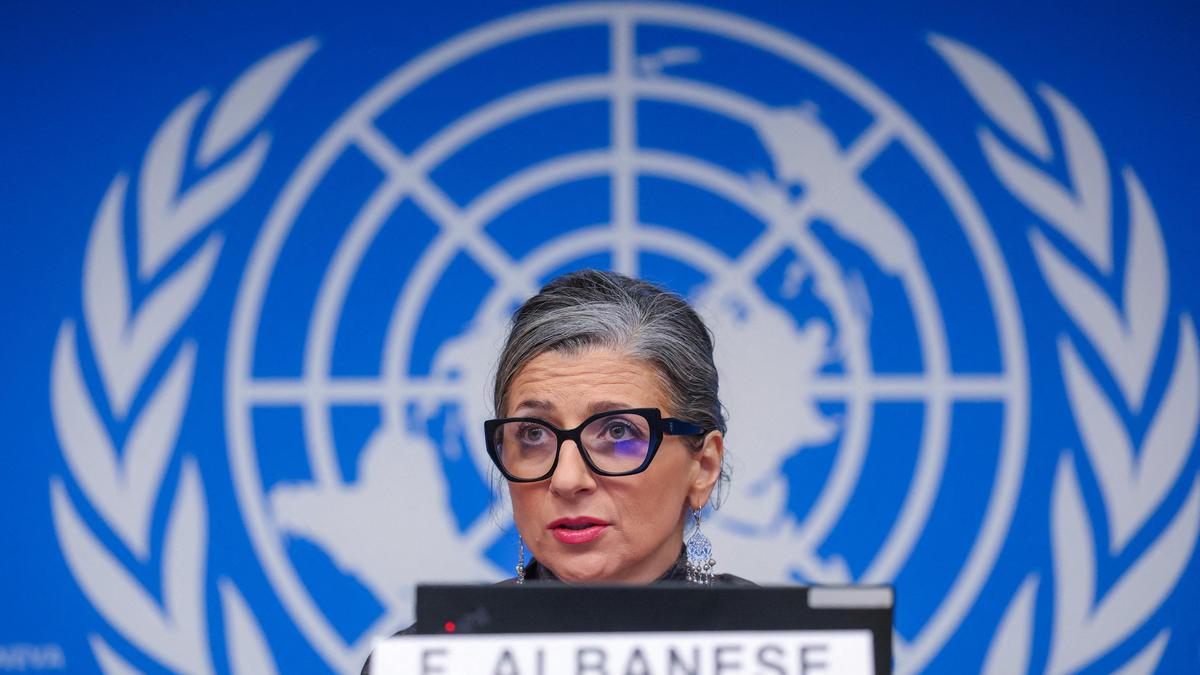
UN Expert Albanese: India Violates Law
UN Rapporteur Francesca Albanese accuses India of breaching international law, spotlighting human rights concerns in Kashmir and prompting diplomatic pushback.
India
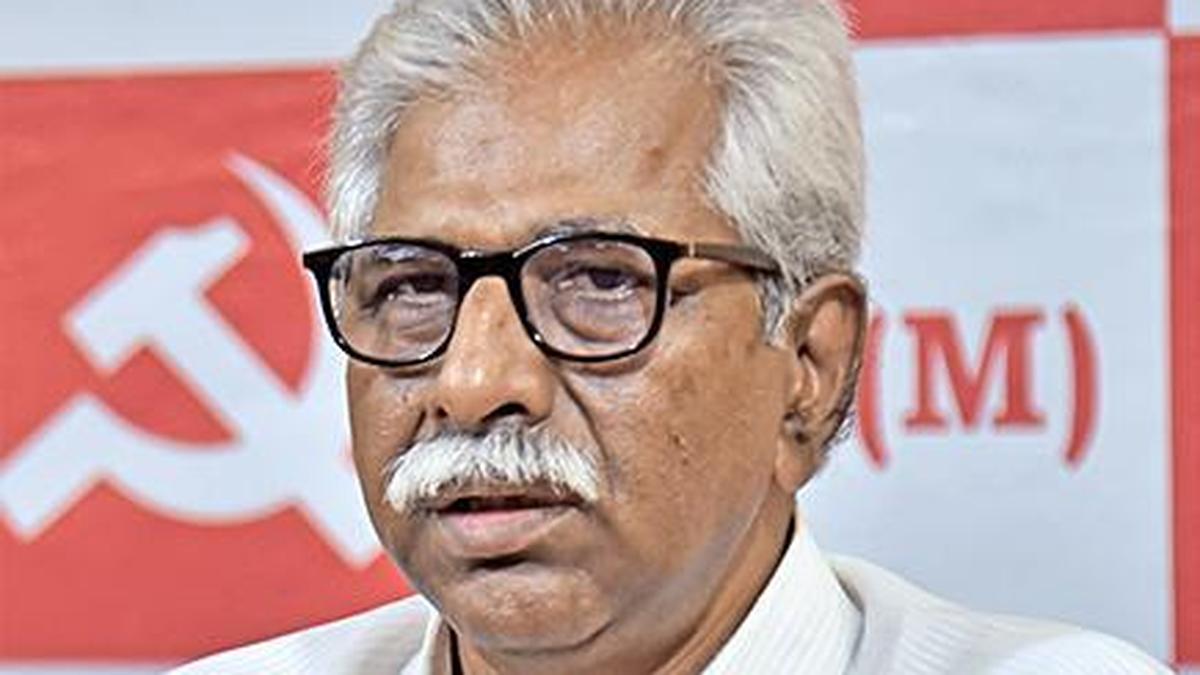
CPI(M) Calls to Decouple Quota from Delimita
CPI(M) advocates for a 33% women's quota in Lok Sabha by 2029, removing the need for delimitation and census linkage.

Conflict & Security
Drone Warfare Killing Aid Workers at Unprec
Over 1,000 humanitarian workers killed in three years as cheap armed drones collapse legal protections. Gaza, Sudan, Ukraine, and DRC see deliberate targeting of aid convoys and hospitals with zero prosecutions.