DMK's Block of Women's Reservation Bill Outr
Political fallout from DMK's stalling of women's reservation bill
Model Diplomat3 min readTamil Nadu
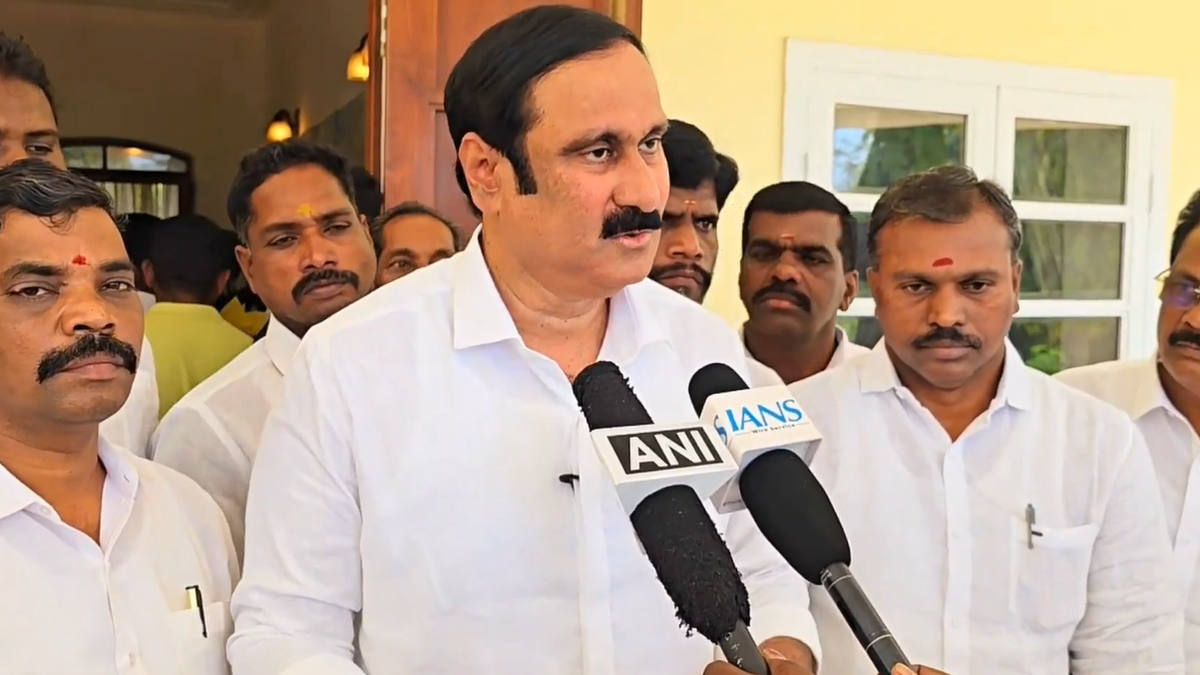
DMK's Block of Women's Reservation Bill Sparks Fierce Backlash in Tamil Nadu
PMK’s Anbumani Ramadoss lashes out at DMK for stalling the 131st Amendment Bill meant to boost women’s political representation.
The recent defeat of the Women’s Reservation Bill—a constitutional amendment intended to reserve legislative assembly seats for women—has ignited sharp criticism within Tamil Nadu's political landscape. Anbumani Ramadoss, president of the Pattali Makkal Katchi (PMK), equated the DMK and its allies’ blocking of the bill to "foeticide," decrying it as a betrayal of women’s rights and political empowerment. This bill, formally the 131st Amendment to the Constitution, was a package deal linked to a broader delimitation exercise designed to redraw electoral boundaries based on the 2011 Census, with the goal of expediting women's reservation in the state legislative assemblies.
What’s at Stake: Women’s Reservation and Political Will
The Women’s Reservation Bill is not new nationally but has faced constant hurdles. Its objective: to reserve 33% of seats in state legislative assemblies for women to correct historic underrepresentation. Tamil Nadu has been an important battleground since political parties often champion women’s empowerment rhetorically but fall short on legislative action. This latest push came as part of a delimitation exercise aimed to redraw constituency boundaries to reflect demographic changes—the first in over a decade after the 2011 Census.
The bill’s linkage to delimitation was meant as a strategic move to expedite a contentious political process, leveraging delimitation's inevitability to push gender representation reforms. Yet, the DMK and allies’ resistance signals deeper political calculations, possibly stemming from fears that reservation might disrupt current political balances or reduce the dominance of established leaders.
Anbumani Ramadoss’s characterization of the bill's defeat as "foeticide" is laden with symbolic gravity, invoking a social evil to underline what he views as a moral failure by the ruling party. PMK’s focus on the bill also signals its intent to brand itself as a champion of women’s rights and political representation—a critical asset in Tamil Nadu politics, where caste and gender dynamics deeply influence voter behavior.
Regional Political Dynamics and Gender Politics
The DMK has historically cultivated an image of social reform but has faced criticism for inconsistency in implementing progressive policies. Blocking the Women’s Reservation Bill could erode its credibility among women voters, particularly as rival parties like the PMK position themselves as better advocates for female empowerment.
The political calculus around delimitation is complex. Delimitation can redraw electoral fortunes dramatically; parties often resist changes that could weaken their strongholds. Adding a women’s reservation quota introduces unpredictability into candidate selection and electoral outcomes. The DMK’s blockade may reflect internal party disputes or alliance pressures resisting changes perceived as potentially destabilizing.
This event underscores the ongoing tension in Indian state politics between symbolic commitments to gender equality and the raw calculations that drive legislative outcomes. The bill’s defeat serves as a reminder that advancing women’s political representation in India is as much about power dynamics as it is about rights.
What to Watch Next
Tamil Nadu's legislative calendar and political maneuvers in the coming months will reveal if the PMK and other opposition actors can harness this controversy to pressure the DMK or if the ruling coalition will maintain its current position. The delimitation exercise itself is still ongoing and could become a flashpoint in state politics, especially if repackaged with other reforms to put renewed pressure on the government.
Additionally, this episode reflects broader challenges for women’s representation reforms nationwide. How other states and the central government respond—for example, by pushing similar amendments independently of delimitation timing—will be crucial to watch.
For now, Tamil Nadu remains a vivid case study in how progressive legislative agendas can be caught in the crossfire of electoral strategy and alliance politics.
Read more on India Politics and the evolving landscape of
Global Politics.
DMK's defeat of Women's Reservation Bill akin to foeticide, says PMK president Anbumani Ramadoss
Discover more

India
INDIA Bloc's Delimitation Strategy
The INDIA bloc is using delimitation and women's reservation to challenge the BJP's federalism narrative, setting up a high-stakes fight over representation.
India
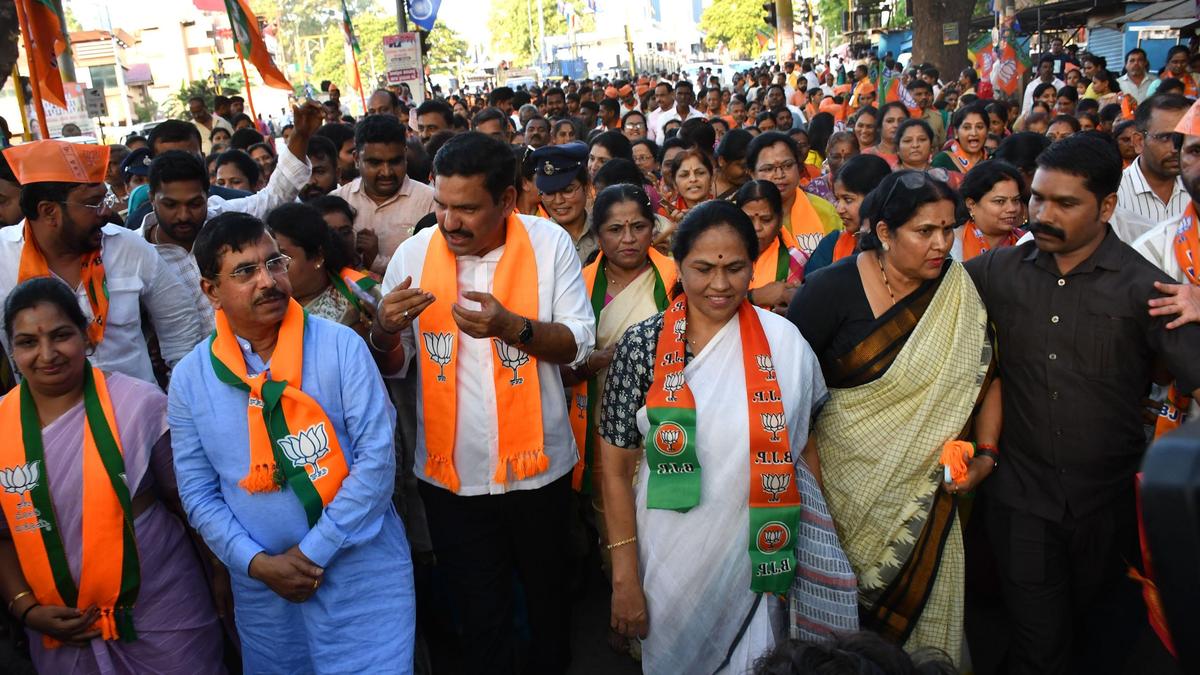
BJP Uses Hubballi Protests for Women's Quota
The BJP is using Hubballi protests to pin blame for delays on women's reservation onto Congress in Karnataka, sharpening its women's quota political offensive.
India
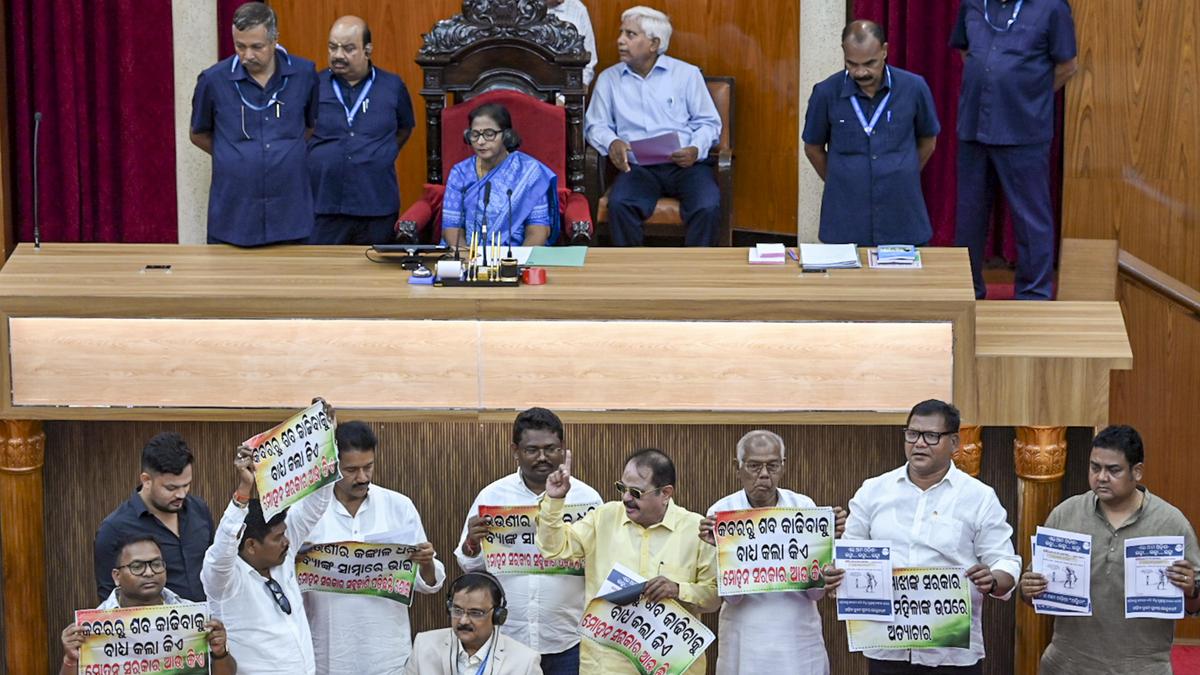
Odisha's Women's Reservation Debate
The fight over women's reservation in Odisha is shaping up as a calculated BJP and BJD strategy aimed squarely at gaining ground before the 2029 elections.
India
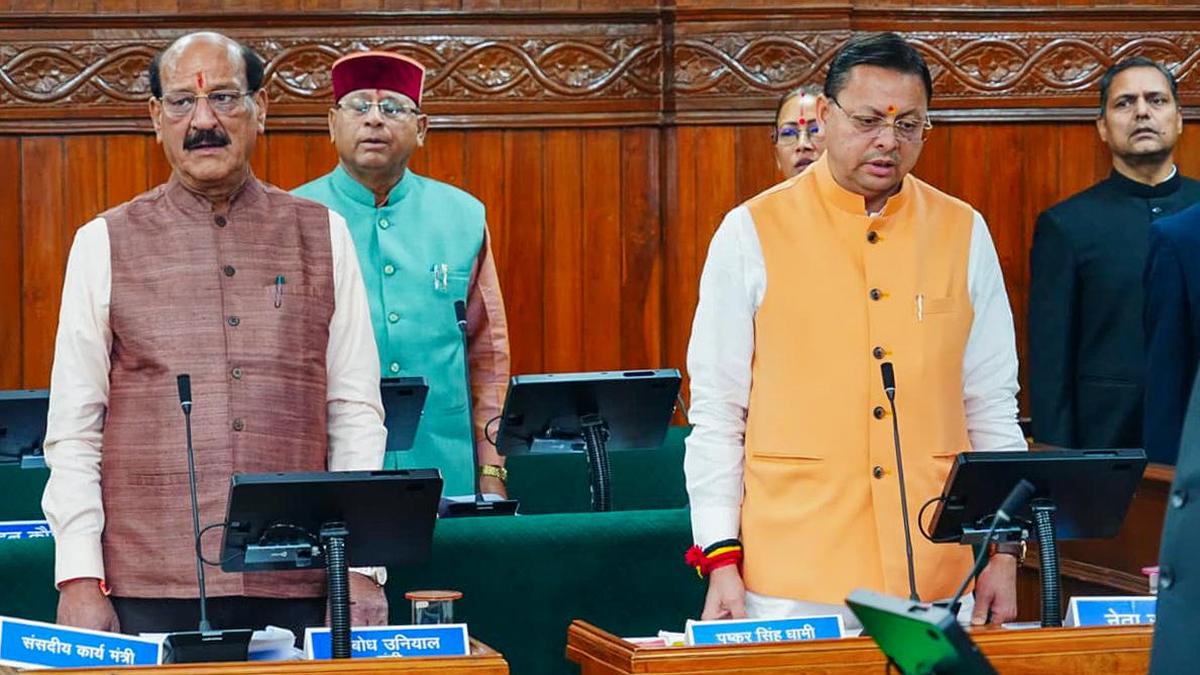
Uttarakhand's Push for Women's Reservation
Uttarakhand CM Dhami's push for women's reservation is a strategic political move that follows national defeat and aims to reclaim momentum for the BJP.