Democrats Push SCOTUS to Protect Abortion Pil
A pivotal moment in the fight for reproductive rights in the US
Model Diplomat3 min readNorth America

Democrats' SCOTUS Push on Abortion Pill; Court Later Preserves Access
Over 250 Democrats urged the Supreme Court to preserve abortion pill access, a plea preceding a landmark ruling that ultimately maintained it.
In December 2023, over 250 Democratic lawmakers lodged a fervent appeal with the U.S. Supreme Court, urging it to reject any potential ruling that would restrict access to mifepristone, an abortion pill. This action placed the drug at the center of a high-stakes legal and political battle, reflecting the broader national debate over reproductive rights. The lawmakers framed their appeal as a defense of established medical consensus and regulatory authority against what they characterized as ideologically driven legal challenges.
The Legal Battleground
The Supreme Court was considering challenges brought by anti-abortion groups, primarily the Alliance for Hippocratic Medicine, which sought to overturn the Food and Drug Administration's (FDA) approval of mifepristone. These challenges questioned the FDA's rigorous review process, including its approval of the drug in 1992 and subsequent decisions to expand access. The core of the legal argument from petitioners centered on standing – their right to bring the lawsuit. Conversely, the Biden administration and Democratic officials argued that the plaintiffs lacked the direct injury required to sue over FDA regulations, and that the drug's long-standing availability and safety record should stand. This push by Democrats aimed to bolster the arguments for upholding the FDA's authority and the continued availability of mifepristone.
On June 13, 2024, the Supreme Court delivered its verdict in FDA v. Alliance for Hippocratic Medicine. In a unanimous decision, the Court ruled that the plaintiffs did not have the legal standing to challenge the FDA's regulation of mifepristone. This outcome preserved broad access to the abortion pill nationwide, effectively thwarting the most significant federal court challenge to reproductive healthcare access since the overturning of Roe v. Wade. The court's decision sidestepped the merits of the drug's safety or efficacy, focusing purely on the plaintiffs’ inability to demonstrate direct harm necessary to bring the suit. This ruling represented a crucial victory for the Biden administration and abortion rights advocates.
Political Leverage and Future Outlook
The Democrats' December 2023 letter served as a clear signal of their strategy to confront anti-abortion legal efforts directly, leveraging congressional influence to support their position. It underscored their commitment to safeguarding abortion access as a key tenet of their platform, particularly as the issue continues to energize voters. While the Supreme Court's ruling ultimately protected access to mifepristone, the underlying forces driving these legal challenges remain active. Anti-abortion groups, though unsuccessful in this specific venue, have indicated they will continue to explore other legal and legislative avenues to restrict reproduction. The sustained legal and political fight over reproductive rights highlights the ongoing ideological divisions within US Politics.
What to Watch Next: The focus now shifts to state-level legislative battles and potential future legal challenges that may emerge on different grounds. Crucially, discussions around abortion access will undoubtedly remain a significant factor in electoral campaigns through November 2024 and beyond.
Discover more
Global
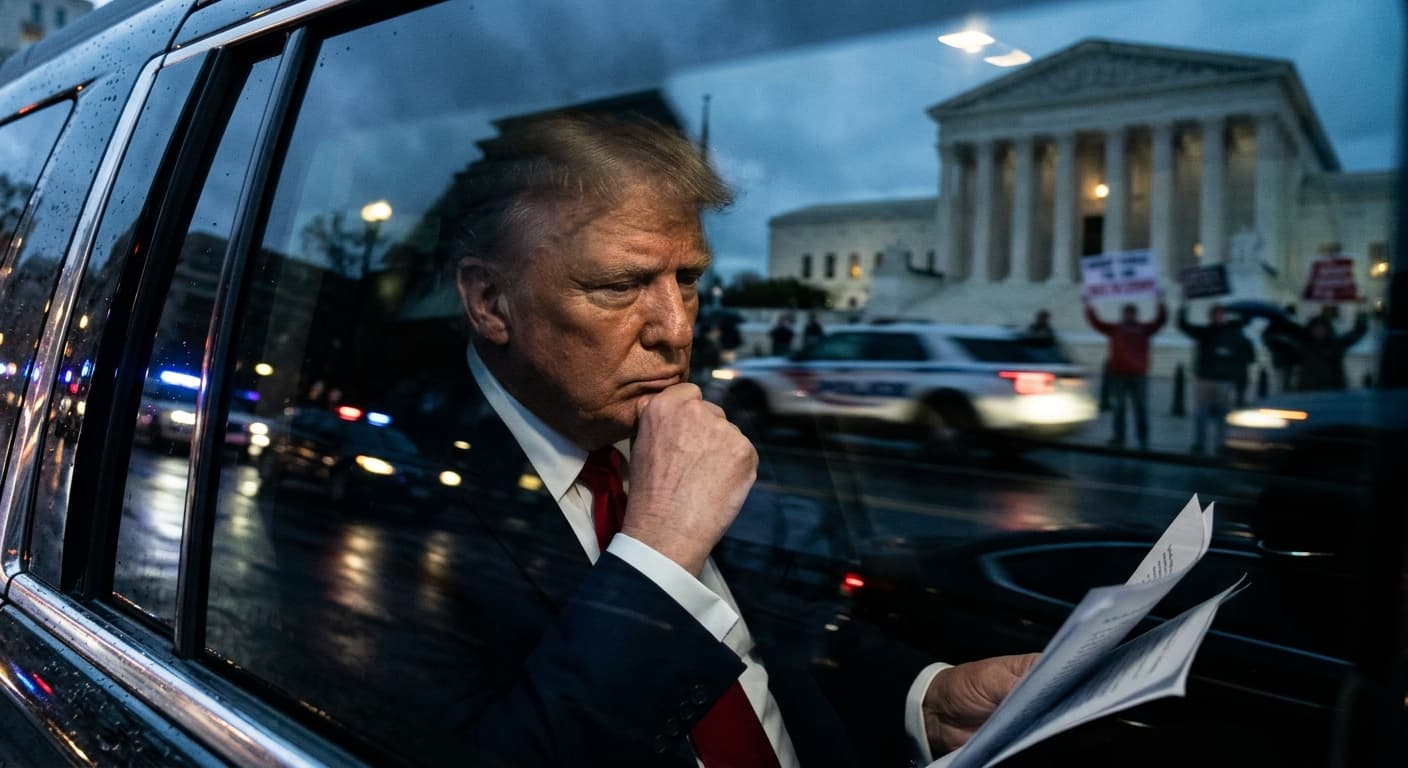
Trump Seeks Supreme Court Rehearing on Birth
President Trump asks the Supreme Court to rehear *Trump v. Barbara*, challenging the ruling on birthright citizenship after a 6-3 loss.
Global
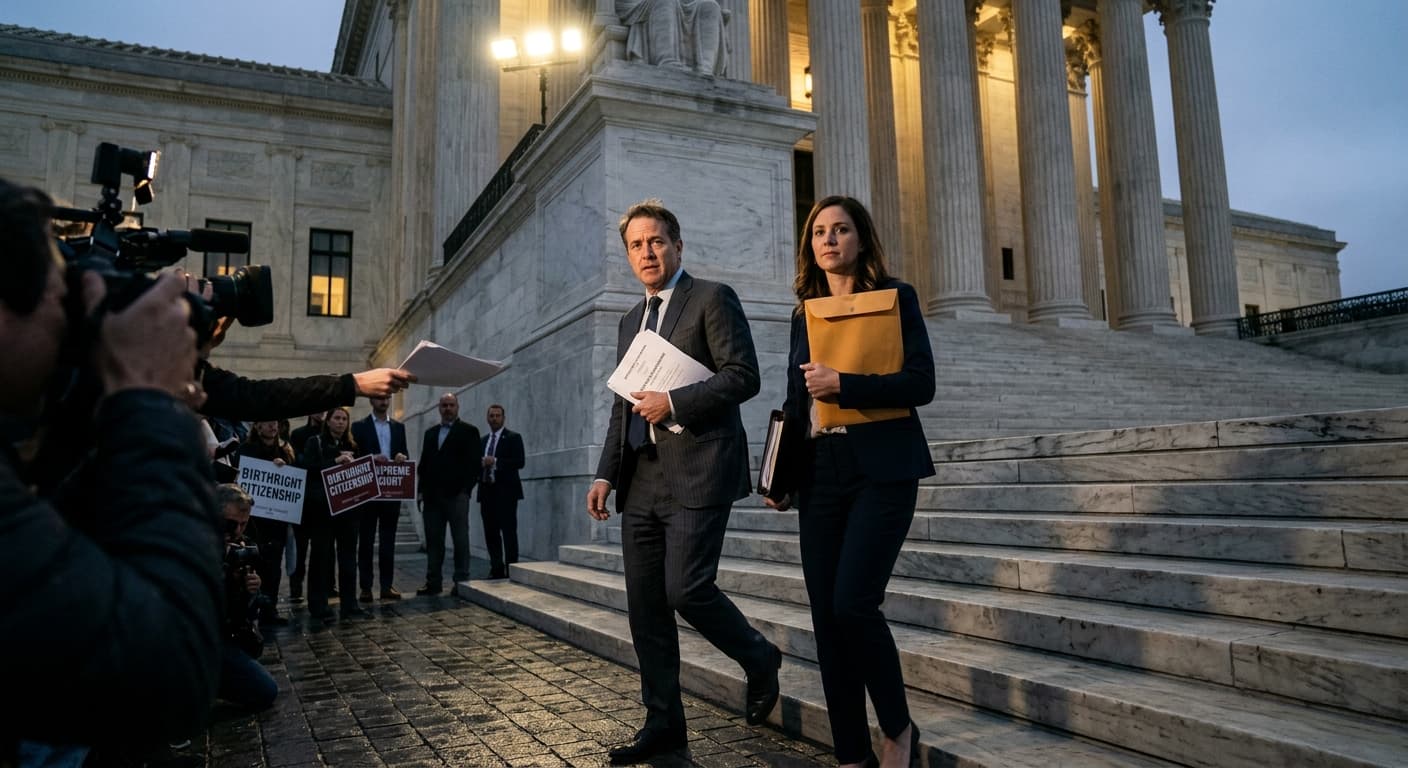
Trump Asks Supreme Court to Rehear Birthright
Trump petitions the Supreme Court to reconsider its ruling on birthright citizenship, aiming to keep the issue politically relevant amid legislative efforts.

Global
Supreme Court's Blanche v. Lau Ruling Impact
The Supreme Court's Blanche v. Lau ruling permits border officers to classify lawful permanent residents with pending criminal issues as new applicants without clear evidence.
Global
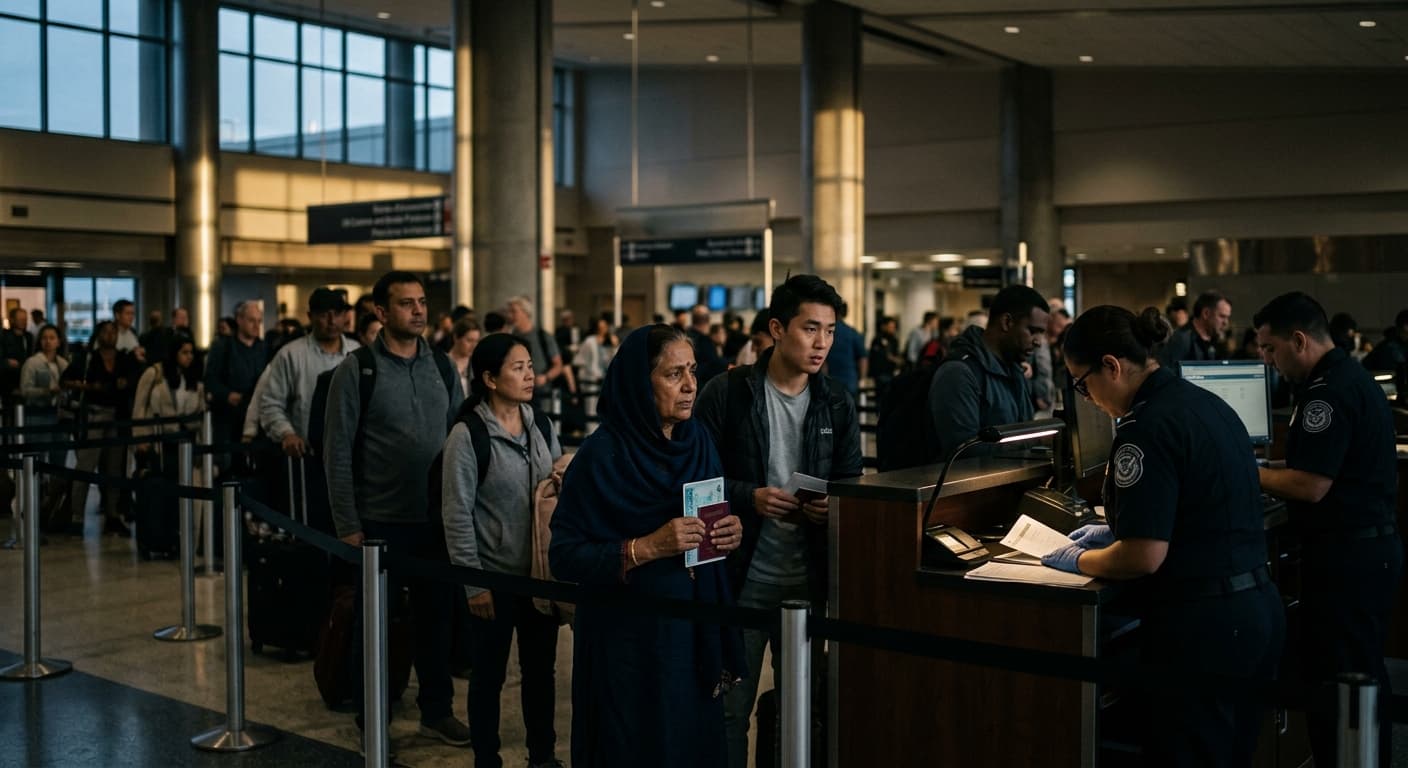
Blanche v. Lau: New Border Rule Explained
The Supreme Court's decision in Blanche v. Lau allows border officers to treat green card holders with pending charges as new applicants, changing admission protocols.