Delhi Police Widens Parliament Breach Case Under UAPA
Delhi Police’s 13,967-page supplement tightens the terrorism frame around the Parliament breach, while defence argues the case is being stretched to prolong custody.
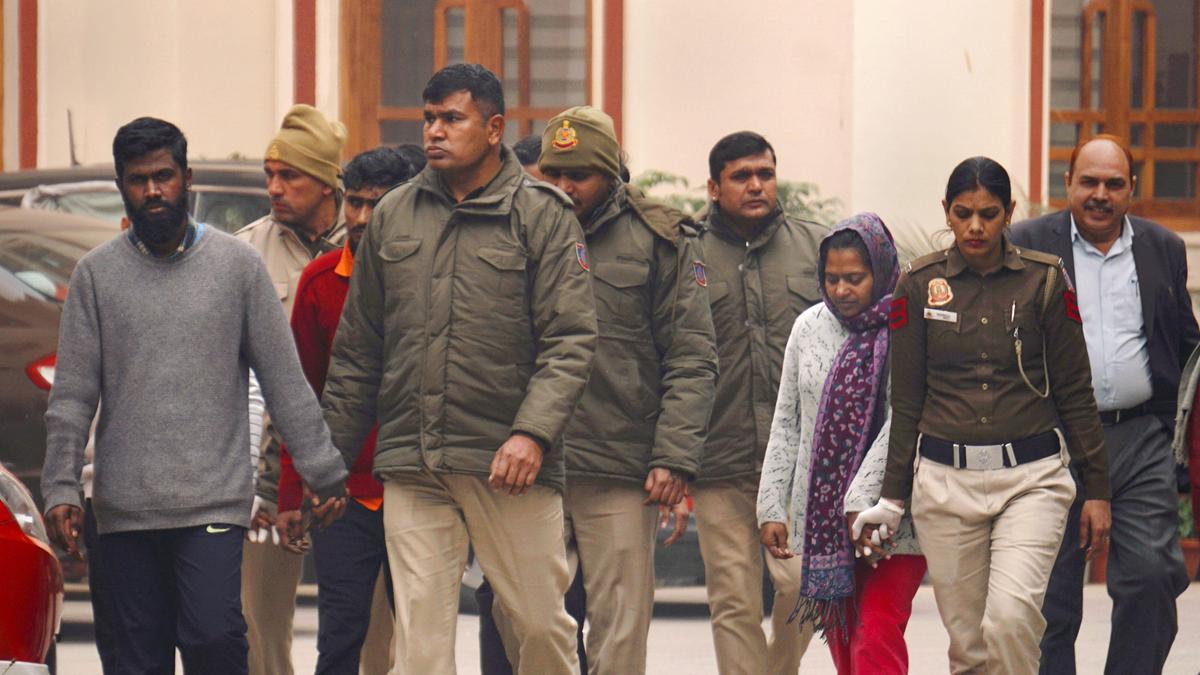
Delhi Police has filed a fourth supplementary chargesheet in the 2023 Parliament security breach case, adding 13,967 pages and keeping the matter anchored in the Unlawful Activities (Prevention) Act, the  The Hindu reported on Friday. The filing was taken on record by Additional Sessions Judge Amit Bansal at Patiala House Court on May 21, with the prosecution saying the new material invokes IPC sections on obstruction, assault on public servants, mischief and conspiracy, alongside UAPA sections 13, 16 and 18. The next hearing is set for May 29.
The power dynamic is clear: the police are trying to lock in a terrorism narrative before the court reaches charges, while the accused are trying to keep the case in the realm of protest, disruption and evidentiary overreach. Defence counsel for Neelam Azad and Amol Dhanraj objected that filing such a large supplement while arguments on framing of charges were already underway was a “gross abuse of process of law,” according to The Hindu. The court ordered hard copies to be supplied and pushed the case to document scrutiny.
Why the supplementary filing matters
This is not just paperwork. In UAPA cases, each additional chargesheet can help the prosecution deepen the alleged conspiracy chain, preserve custody leverage, and delay the defence’s ability to force a speedy-trial argument. The six accused — Manoranjan D., Sagar Sharma, Neelam Azad, Amol Shinde, Lalit Jha and Mahesh Kumawat — have already been booked under anti-terror provisions and ordinary criminal law for the December 13, 2023 breach inside and outside Parliament, on the anniversary of the 2001 attack, The Hindu reported when the original chargesheet was first pending.
That original filing mattered because it established the basic prosecutorial line: the breach was planned, coordinated and politically motivated, not a spontaneous stunt.  The Economic Times reported last year that Delhi Police had already secured UAPA prosecution sanction from the Lieutenant Governor and that the first chargesheet ran to roughly 1,000 pages. The new supplement suggests the investigation is still being used to fortify, rather than merely close, the case.
That serves the state’s interest. Parliament is a symbolic target, and the case has obvious institutional sensitivity. But it also raises the cost for the defence: if the prosecution can keep discovering new layers of alleged coordination, the accused remain trapped in a slower, heavier process where bail and charge framing become the real battleground.
What to watch next
The immediate test is procedural, not political. On May 29, the Patiala House Court will examine the supplementary material and the defence will likely renew objections over timing, disclosure and whether the new filing changes the charge-framing schedule. If the court accepts the prosecution’s approach, the case will move further into a long UAPA track where custody, access to documents and trial sequencing matter more than the original breach itself.
The broader significance is for  India: this case has become another example of how anti-terror law can be used to widen the state’s room to maneuver once a high-profile security incident is recast as conspiracy. The question now is whether the court treats the new chargesheet as necessary investigation — or as a tactic that mainly prolongs the case.