Delhi Gymkhana Row Exposes India’s Selective Anti-Elitism
The club fight is about leverage, not reform: Delhi is targeting an easy elite symbol while leaving larger state-backed privilege untouched.
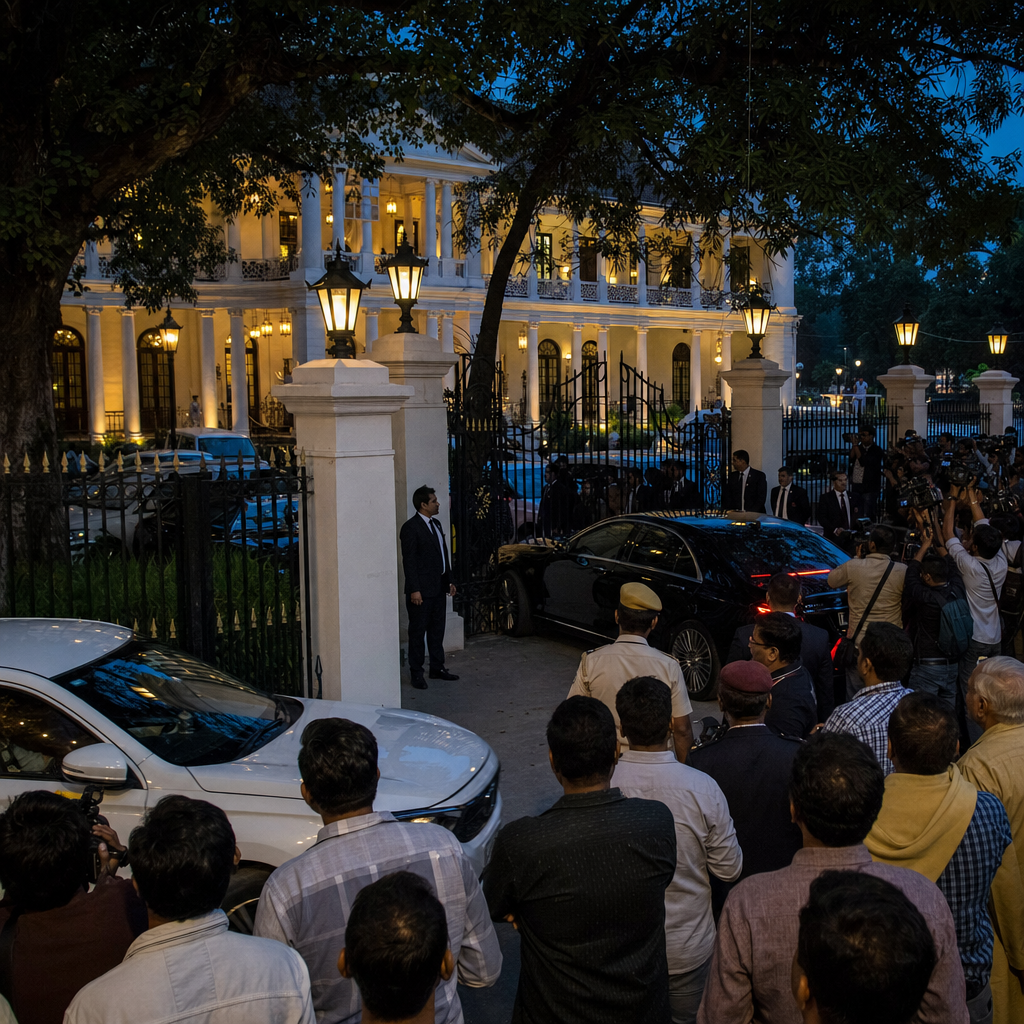
The Delhi Gymkhana Club dispute is being sold as decolonisation, but the power move is simpler: the Centre can reclaim prime land, set the terms, and frame the fight as moral cleanup. The Indian Express argues the push is “symbolic conquest,” not egalitarian reform, while fresh reporting says the club has been asked to vacate its 27.3-acre site in Lutyens’ Delhi by June 5 ( Indian Express;
  The Raisina Hills;
  India Today). That makes the club a politically safe target: visible, exclusive, and socially unpopular.
A club is easier to attack than a system
The contradiction is obvious. Delhi’s political class is denouncing an elite enclave on public land, but the same city is packed with subsidised government estates, official clubs, and protected corridors of influence that operate as closed networks in their own right, the Indian Express notes (Indian Express). That is why the Gymkhana row lands as politics, not principle. If the state’s real concern is misuse of land or exclusion, the test is consistency — not spectacle.
The reported security rationale is also weak by the standards of New Delhi’s own history. The club has sat through terror alerts, insurgencies and repeated high-security episodes around the Prime Minister’s residence, according to the Indian Express, which asks why it only became intolerable now (Indian Express). That is the core clue: the issue is leverage over land and symbolism, not an abrupt security discovery.
Who wins when privilege is put on trial
Politically, the state benefits from choosing a soft target. The club has no vote bank and no mass constituency; as one commentator quoted in the Raisina Hills report put it, it is easier to attack “the rich and powerful” than a mobilized interest group (The Raisina Hills). That means the government can claim popular legitimacy while avoiding a harder conversation about the capital’s real privilege architecture: official bungalows, state hospitality, and tightly controlled access to urban land.
The losers are more specific than the rhetoric suggests. The club’s defenders warn that up to 600 employees could be affected, while others argue the institution matters as one of the few informal spaces where diplomats, retired officers, journalists, and business leaders still mix outside office hierarchies (The Raisina Hills; Indian Express). That is a real loss if the land is simply absorbed into another fortified government compound. If it becomes public housing, open green space, or some other visible civic use, the politics changes. If not, the anti-elite pitch starts to look like substitution, not reform.
What to watch next
The next decision point is legal. The club is likely to challenge the vacate order, and the June 5 deadline now forces the Centre to show whether it wants a negotiation, a relocation, or a clean takeover (The Raisina Hills). Watch two things: whether the government explains the end use for the land, and whether it applies the same scrutiny to other privileged state-linked enclaves in  India and Global Politics. If it does not, the Gymkhana episode will be remembered less as decolonisation than as selective discipline.