Crewe Police Control Narrative After Raids
Police manage narrative amid modern slavery arrests in Crewe.
Model Diplomat2 min readEurope
Crewe Raids Put Police in Control of the Narrative
Modern-slavery arrests at Webb House have triggered protests and fear in Crewe, but Cheshire Police are forcing the case back onto evidence and bail conditions.
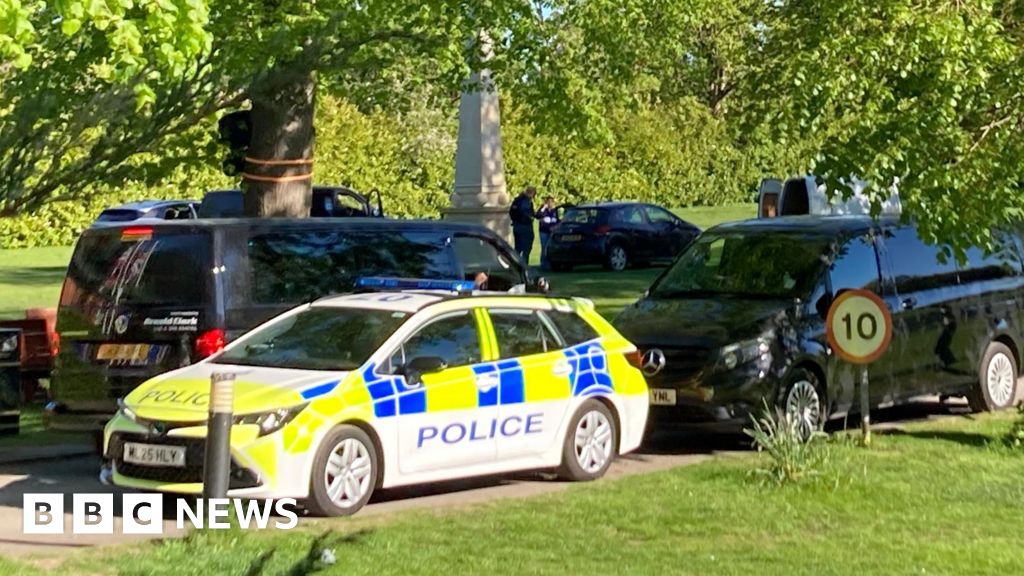
Police now hold the leverage in Crewe. After raiding three properties, including Webb House, on 29 April and arresting seven men and three women, Cheshire Police have released all 10 on conditional bail and barred them from returning to the site, while MP Connor Naismith says the community is “living in fear” and should let the authorities do their work (BBC). That is the real power dynamic here: the force is trying to contain a local flashpoint before it turns into a wider public-order problem, while activists and social media accounts are already trying to widen the story beyond the allegations themselves.
Why this is bigger than one address
The investigation is not framed by police as a religious case. Cheshire Police say they were alerted in March to allegations of serious sexual offences, forced marriage and modern slavery that reportedly took place in 2023, involving one victim who was a woman and a member of the group at the time (Cheshire Live;
BBC). Chief Supt Gareth Wrigley has repeatedly said: “This is not an investigation into religion” and urged people not to speculate (
BBC). That distinction matters. If the case is read as an attack on the Ahmadi Religion of Peace and Light rather than a criminal inquiry into alleged coercion, police lose control of the public order environment and the risk of retaliatory mobilization rises.
Webb House is the symbolic center of the dispute because it is not just a residence; it is the group’s base, with about 150 people understood to live there (BBC). Once police finished searching the site on Sunday and released it back to residents, protesters appeared outside at intervals, and Cheshire Police had to keep a uniformed presence in the area (
Liverpool Echo). The arrests were not just about the alleged offences: 25 other people were charged with public order offences during the operation, though police say they were not connected to the investigation (
BBC). In other words, the state is already paying a second-order security cost from the political heat around the raid.
What to watch next
The next pressure point is procedural, not political. The 10 suspects remain on bail under conditions that keep them away from Webb House, and Cheshire Police say the investigation is still live and will take time (Cheshire Live). The public-order cases go to Crewe Magistrates’ Court on various dates in June (
BBC). If that court timetable passes quietly, police will have a better chance of keeping the story inside a criminal framework. If not, Crewe becomes a test case for how local authorities manage a sensitive investigation when religious identity, social media rumor and public anxiety collide — a pattern worth tracking closely on
Global Politics and
International.
Discover more
US Politics
Congress Targets AI Chatbot Access for Terror
House Chair Andrew Garbarino proposes government access to AI chatbot queries to combat terrorism, igniting privacy debates.
US Politics
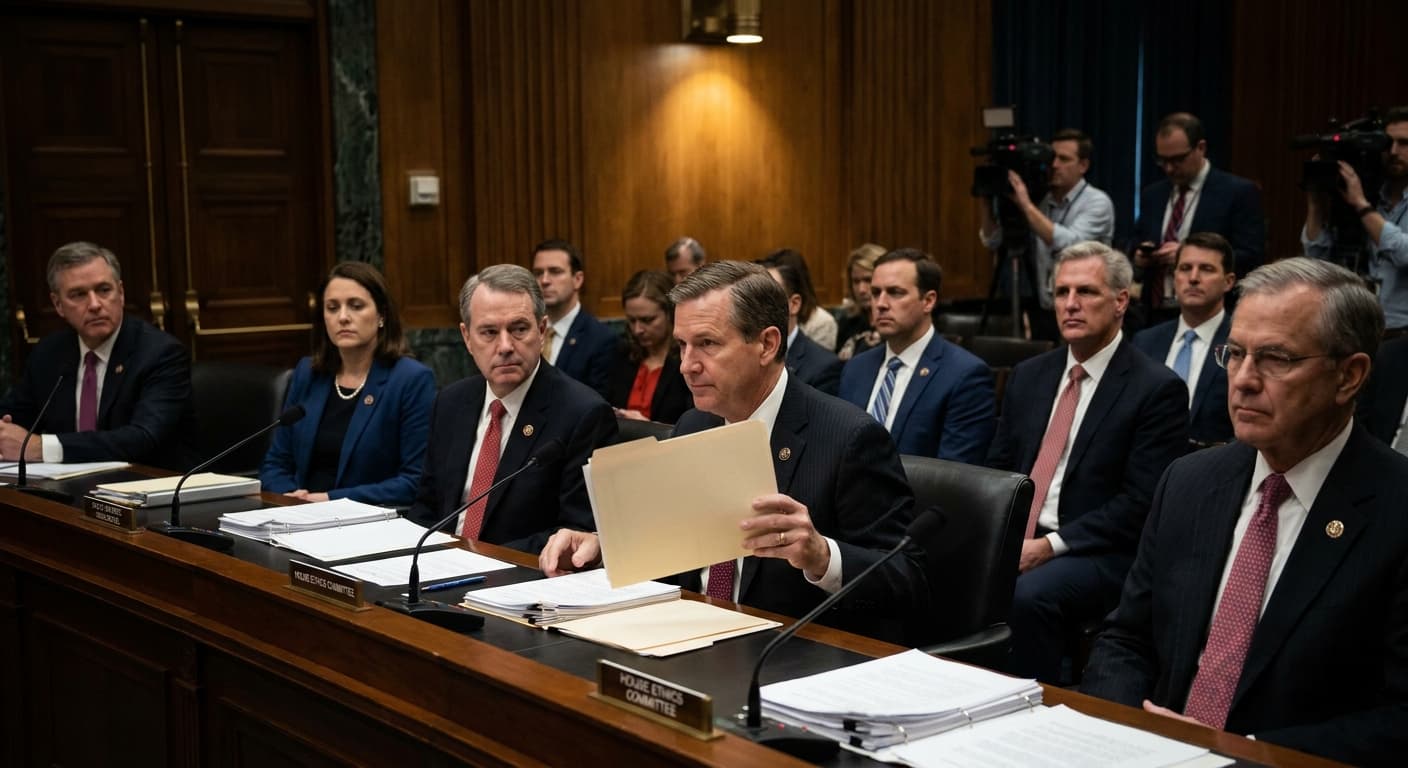
House Ethics Committee Pushes Sexual Miscond.
The House Ethics Committee's public request for misconduct reports marks a shift towards transparency and accountability in Congress.
Global Politics
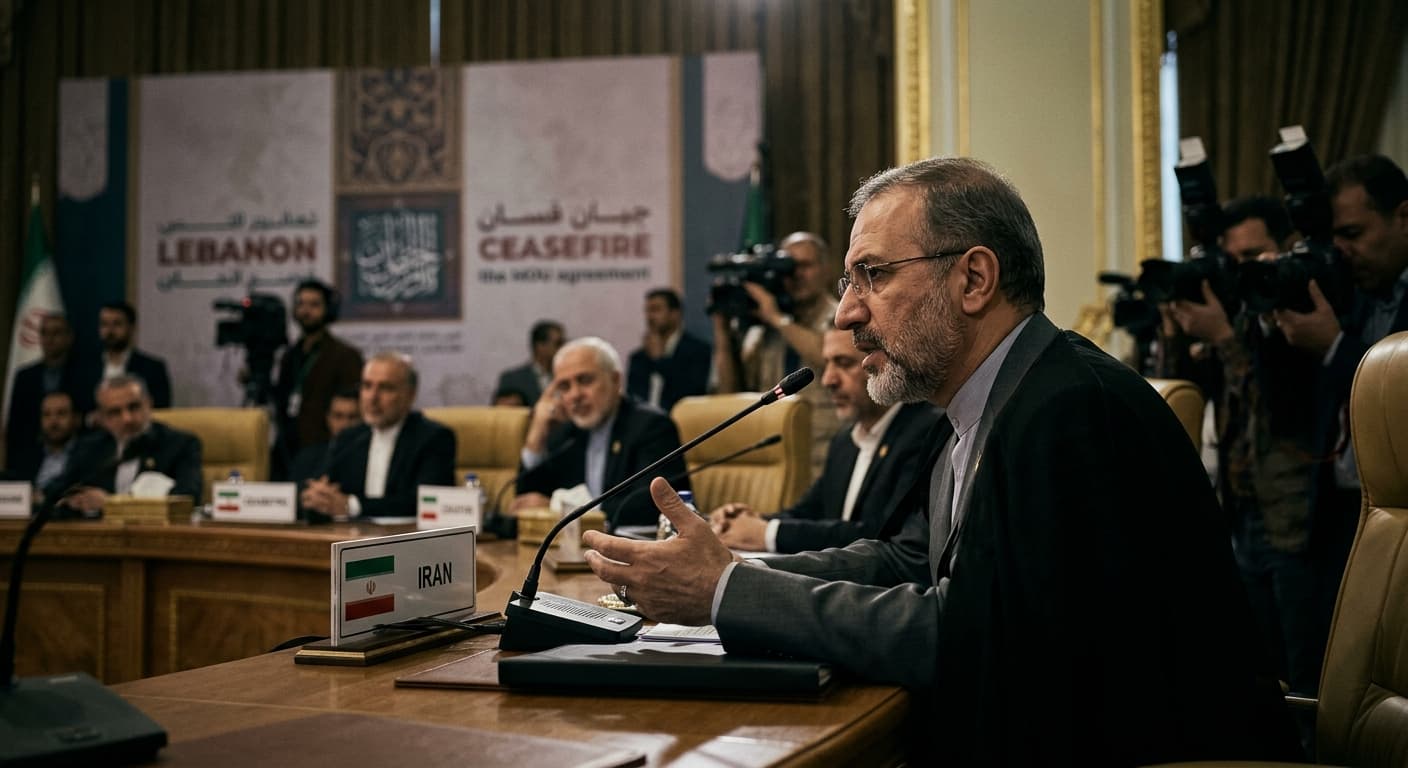
Iran Demands US Enforce Ceasefire
Iran insists the US must enforce a ceasefire in Lebanon to uphold the MoU.
India
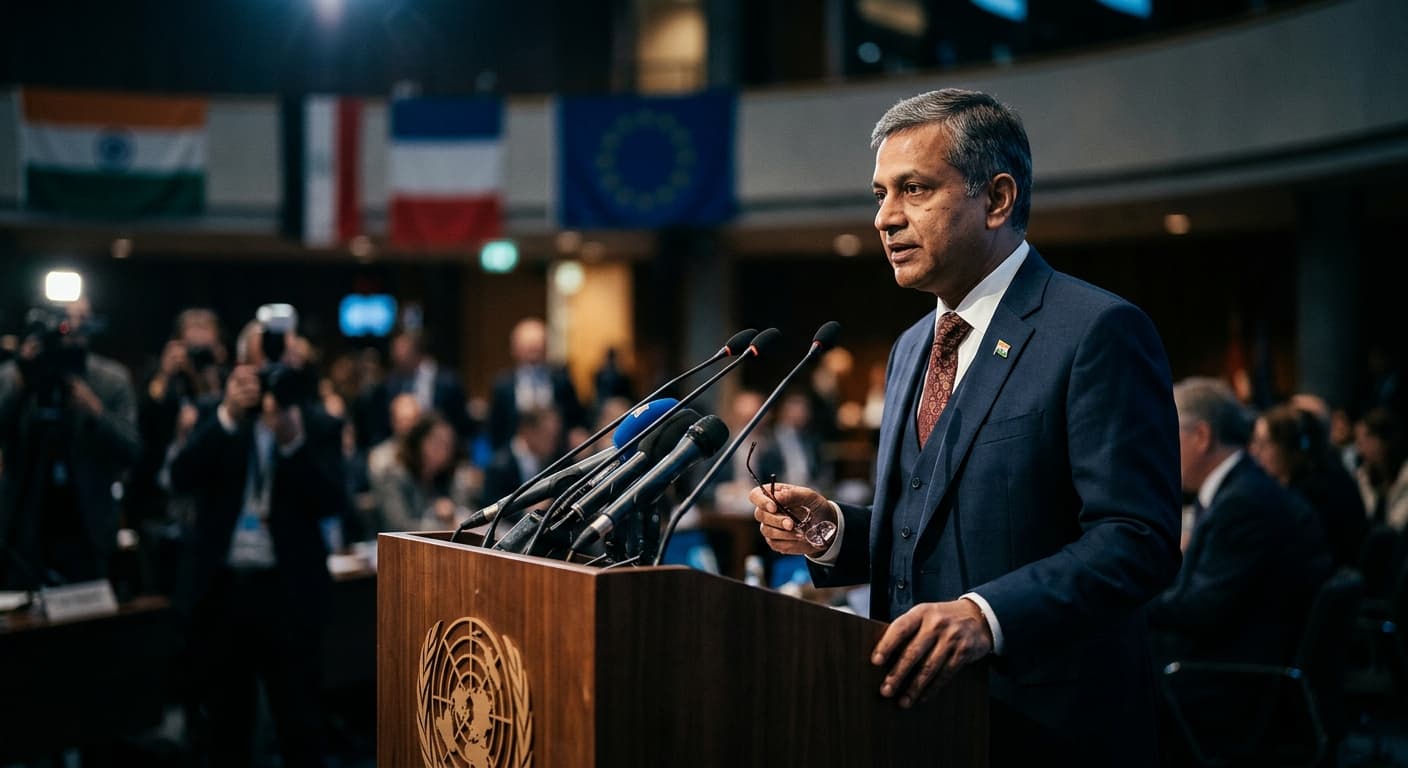
India Takes Vice-Presidency at FATF
India's Vivek Aggarwal becomes FATF vice president, paving the way for future leadership.