Thomas Isaac Urges CPM Reform in Kerala
Isaac critiques CPM's outdated communication style post-elections.
Model Diplomat3 min readAsia
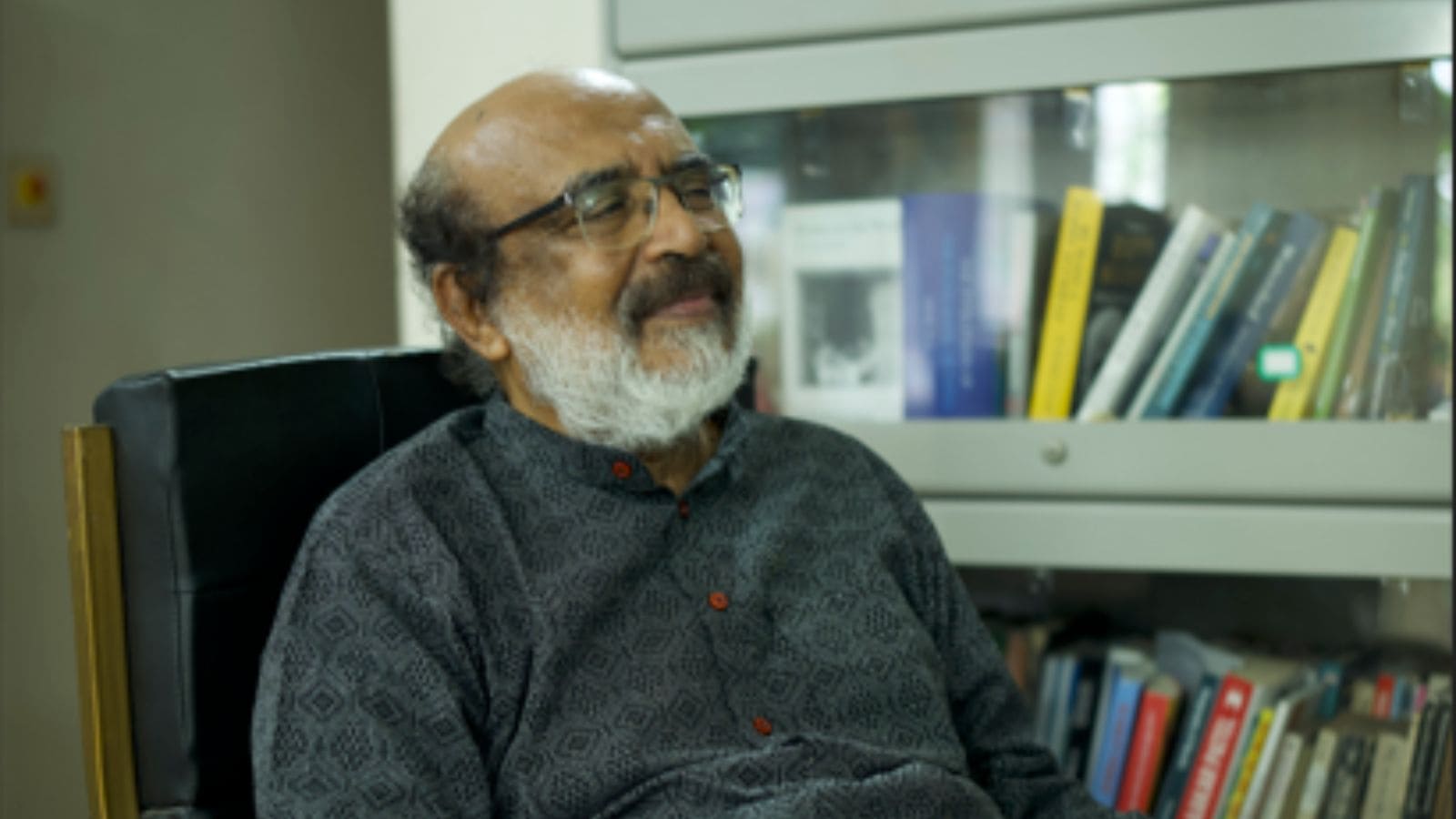
CPM's Isaac Targets Party's Electoral 'Style'
Senior CPM leader Thomas Isaac calls out outdated strategic communication post-Kerala election results, signaling internal pressure for reform.
Senior Communist Party of India (Marxist) leader Thomas Isaac has publicly criticized the party's electoral approach in Kerala, calling for a correction in its "style" rather than challenging the Lok Sabha election verdict itself. This assertion from a prominent state figure suggests internal friction within the CPM about its strategic direction and communication methods, particularly after a performance that fell short of expectations in recent general elections. Isaac, a former Finance Minister and a key architect of the LDF government's economic policies, is using his considerable influence to signal that the party's traditional ideological framing and messaging are no longer resonating effectively with voters in India.
Power Dynamic Shift in Kerala CPM
Thomas Isaac's critique places him in a position of challenging the established party line, leveraging his reputation as a seasoned administrator and ideologue. The power dynamic here centers on the CPM's internal struggle to adapt to a changing political landscape. While the party's leadership, particularly Chief Minister Pinarayi Vijayan, has presided over significant electoral successes in Kerala, the recent Lok Sabha outcomes indicate a potential erosion of traditional support bases. Isaac's call for a "correction" signals an attempt to drive strategic reform from within, highlighting a perceived disconnect between the party's long-standing political style—its rhetoric, campaign methods, and engagement with new voter demographics—and contemporary electoral realities. The leverage lies in the tangible electoral results, which provide evidence that the status quo may be insufficient.
Beneficiaries and Losers of Internal Debate
The primary beneficiaries of this internal CPM debate are its electoral rivals. The Indian National Congress-led United Democratic Front (UDF) and the Bharatiya Janata Party (BJP), both of whom saw gains in Kerala during the recent general elections, stand to exploit any perception of CPM disunity or strategic weakness. Within the CPM itself, factions advocating for modernization and a shift in communication strategy may find Isaac's public statement a catalyst for their demands. Conversely, the CPM's state leadership and those committed to maintaining the current electoral playbook are the most immediate losers, facing pressure to acknowledge and address criticisms that could fundamentally alter party functioning. The perceived invincibility of the Left Democratic Front (LDF) in Kerala is also diminished by such open questioning of its core strategies.
What to Watch Next
The immediate focus will be on the CPM's internal response to Isaac's remarks, particularly statements from Chief Minister Pinarayi Vijayan or the CPM state secretariat, indicating whether the criticism will be formally discussed or dismissed. Observers should monitor upcoming party meetings, potentially including state committee sessions or broader party congresses, where such strategic reviews are typically deliberated. The true test will be whether the CPM adapts its communication and campaigning for future electoral contests, such as the upcoming state assembly polls, or if Isaac's call for a stylistic correction remains an isolated critique. The next decision point for the party's direction will likely crystallize in the coming months as internal reviews commence.
Discover more
India
CPI MP Accuses PM Modi of MCC Violations
CPI MP P Sandosh Kumar alleges PM Modi breached the Model Code of Conduct in Tamil Nadu, raising election integrity concerns before the 2026 Assembly polls.
India
CPI(M) Calls to Decouple Quota from Delimita
CPI(M) advocates for a 33% women's quota in Lok Sabha by 2029, removing the need for delimitation and census linkage.
India
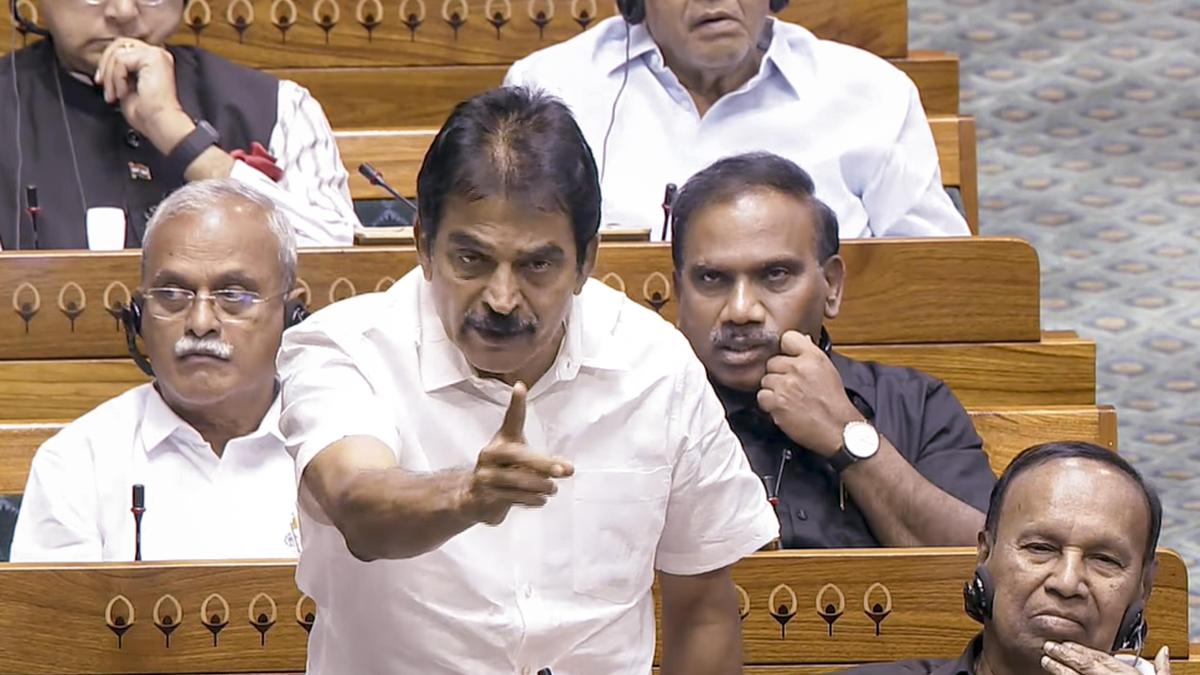
BJP's Delimitation Strategy
Congress leader K.C. Venugopal claims the BJP uses women's reservation to advance delimitation, raising fears over electoral fairness ahead of the 2029 polls.

Conflict & Security
Drone Warfare Killing Aid Workers at Unprec
Over 1,000 humanitarian workers killed in three years as cheap armed drones collapse legal protections. Gaza, Sudan, Ukraine, and DRC see deliberate targeting of aid convoys and hospitals with zero prosecutions.