CPI Challenges Modi's National Address
CPI's complaint raises questions on Election Commission's neutrality.
Model Diplomat3 min readIndia
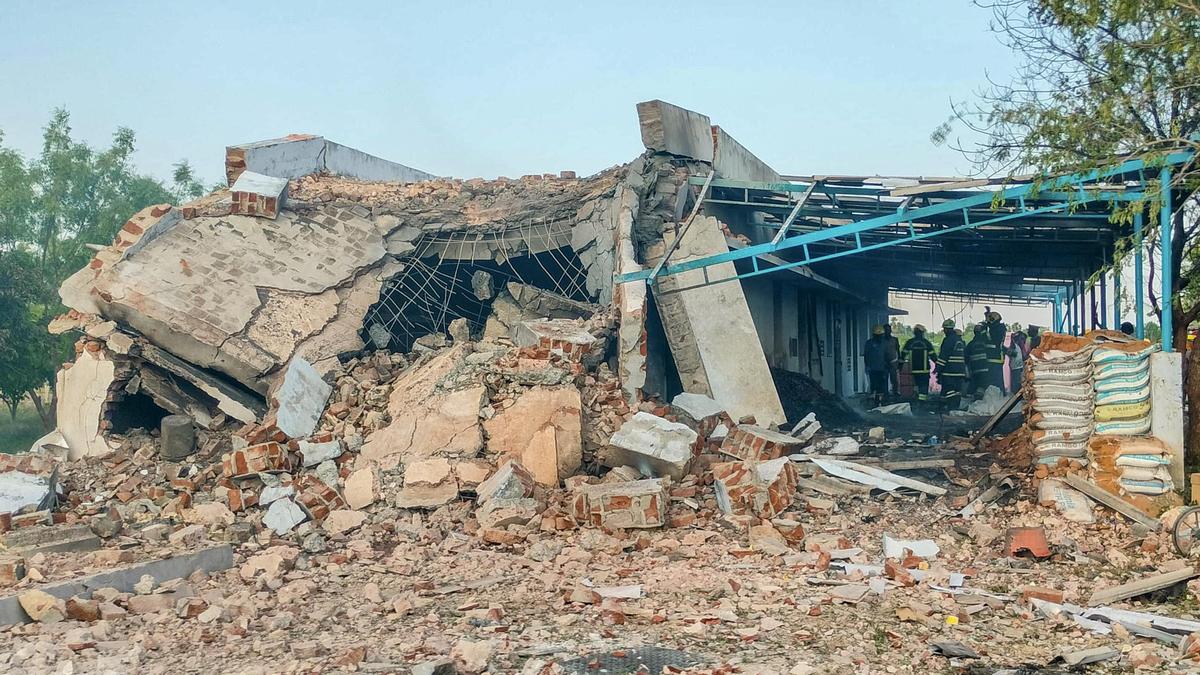
CPI’s Complaint Over Modi’s National Address Spurs MCC Debate in India
The CPI’s formal challenge to Modi’s campaign speech spotlights growing tensions over Election Commission neutrality ahead of crucial polls.
On April 19, 2026, the Communist Party of India (CPI) escalated the fraught pre-election climate by submitting a letter to the Election Commission of India (ECI), alleging that Prime Minister Narendra Modi’s recent national broadcast breached the Model Code of Conduct (MCC). This code prohibits any sitting leader from using their position or state resources to gain electoral advantage once elections are announced. The CPI demands that the ECI take immediate action to uphold electoral fairness.
Why Modi’s National Address Triggered Allegations
Prime Minister Modi’s address, delivered amid ongoing campaign activities, was accused of crossing the MCC line by the CPI. The contention centers on whether the speech’s content and timing amounted to indirect campaigning or misuse of official platform for electoral benefit. With India's national elections slated for later this year, the legitimacy and even-handedness of the ECI’s response carries significant weight.
The MCC, critical in India’s democratic tradition, is meant to create a level playing field by restricting the incumbent government from leveraging its state apparatus. CPI’s complaint highlights a frequent tension in Indian elections: where does governance end and campaigning begin? Modi’s speeches often blend policy announcements with political messaging, challenging regulators to distinguish between governance communication and electioneering.
Past elections have seen similar controversies. In 2019, the ECI reprimanded the BJP for speeches that allegedly blurred these lines but refrained from harsher penalties, leading opposition parties to question the Commission’s impartiality. This complaint adds to the ongoing debate about the ECI’s independence, especially when facing a dominant incumbent like Modi.
The Stakes for Indian Democracy and the Election Commission
India’s democratic resilience partially rests on the ECI’s credibility as an authoritative, unbiased election overseer. CPI’s formal move is more than a complaint; it is a test of the ECI’s resolve amid mounting political pressure from ruling and opposition camps alike. An assertive or lenient response will have ripple effects on public trust, opposition strategies, and civil society’s faith in electoral fairness.
The CPI, representing left-wing opposition forces, effectively signals its intention to keep the ECI’s scrutiny tight on Modi’s campaign methods. This shapes the broader electoral narrative by focusing public and media attention on institutional checks and balances rather than only on political personalities or manifestos.
What to Watch Next
The ECI’s handling of the CPI’s complaint will be closely watched domestically and internationally. Observers want to see whether the Commission will issue warnings, take punitive actions, or opt to overlook the alleged MCC violations. Their decision could set a precedent affecting the conduct of elections in India’s largest democracy for years to come.
Opposition parties are likely to increase scrutiny and pressure on the ECI to act firmly, aiming to curb any perceived incumbent advantage ahead of polls. Meanwhile, Modi’s camp might intensify efforts to frame governance achievements as election appeals, maintaining the fine line that challenges the MCC.
Given India’s track record and the ECI’s crucial role, this episode underscores the perennial tension in large democracies: securing impartial electoral processes while managing powerful incumbents. The CPI complaint is a sharp reminder of the vigilance necessary to safeguard democratic norms amid political battles.
For more on India’s democratic processes, see India and
Global Politics.
Left Parties Move ECI Alleging MCC Violation Against PM Modi’s Address — The Hindu
Discover more

International Relations
Philippines Inflation Soars, Rate Hike Looms
Philippines inflation soars to 7.2% in April 2026, driven by oil crisis, prompting BSP to consider rate hikes to stabilize the economy.
India
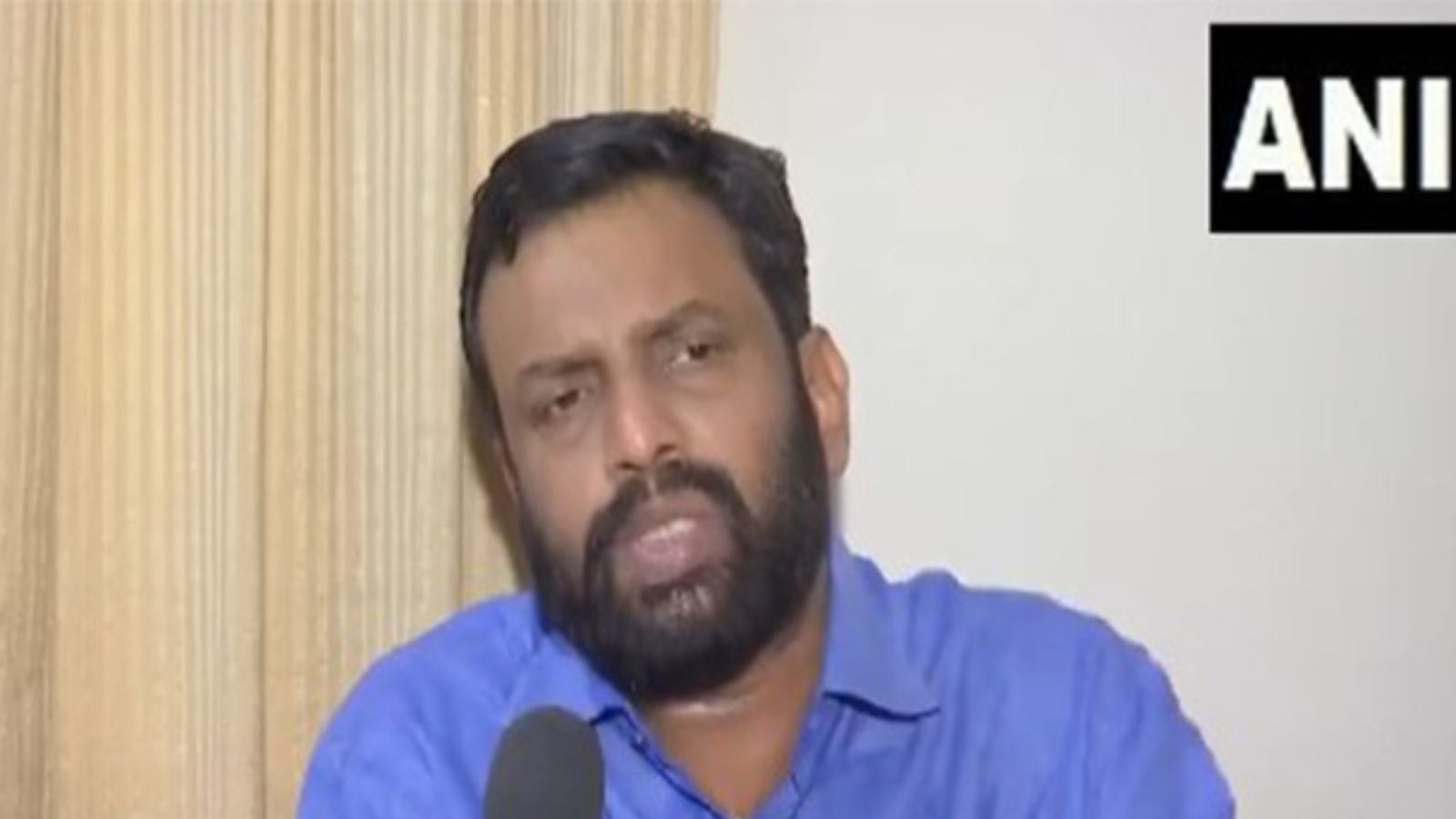
CPI MP Accuses PM Modi of MCC Violations
CPI MP P Sandosh Kumar alleges PM Modi breached the Model Code of Conduct in Tamil Nadu, raising election integrity concerns before the 2026 Assembly polls.

Conflict & Security
Drone Warfare Killing Aid Workers at Unprec
Over 1,000 humanitarian workers killed in three years as cheap armed drones collapse legal protections. Gaza, Sudan, Ukraine, and DRC see deliberate targeting of aid convoys and hospitals with zero prosecutions.
Global
World Normalises Taliban as Afghan Women Eras
UN data shows Afghan women erased from public life as Russia recognises the Taliban, EU hosts officials in Brussels, and ICC warrants for gender persecution go unenforced.