Congressional Approval Hits Historic Low
Trust in Congress plummets, reshaping 2026 midterm dynamics.
Model Diplomat3 min readNorth America

Trust Collapse: Congress at 17% — and Falling
American approval of Congress and federal government has cratered across party lines, reshaping the battlefield ahead of the 2026 midterms.
Congressional approval sits at 17% nationally, per Gallup's December 2025 survey — the kind of number that historically signals institutional crisis, not a routine polling dip. A
new CNN/SSRS poll from April 2026 finds roughly one in four Americans views both parties unfavorably simultaneously. Neither party holds the credibility to capitalize cleanly on the other's weakness.
Who Holds Leverage — and Who Doesn't
The numbers are brutal for everyone in Washington. Trump's overall job approval tracks between 35–40% across major pollsters in April 2026, with his economic approval hitting a new low of 31% in late March — driven down by gas prices exceeding $4/gallon and persistent inflation anxiety. Congressional Republican leaders register 35% approval; Democratic congressional leaders trail them at just 28%, per CNN's January 2026 survey. Critically, 71% of Democrats and Democratic-leaning independents believe their own congressional caucus has failed to resist Trump effectively — a 20-point surge in one year.
The so-called "double haters" — the ~25% disgusted with both parties — are the decisive bloc for November. They currently break toward Democrats by 31 points in generic-ballot framing, but that edge is driven by anti-GOP sentiment, not Democratic enthusiasm. That is a structurally fragile lead.
The Deeper Erosion
This isn't a reaction to any single policy or scandal. The long-run trust baseline has been collapsing for decades — Gallup's data shows trust in the federal government to handle domestic problems peaked above 70% in the mid-1960s and has been grinding lower since Watergate. What's distinctive in 2026 is the simultaneous collapse across partisan cohorts: even Republican approval of the GOP-led Congress sits at only 37%. Independents land at 12%. The war footing with Iran, tech-sector layoffs, and the AI disruption narrative are feeding a broader sense that institutions are failing to manage fast-moving threats.
This is the institutional vacuum that breeds political disruption — third-party candidacies, primary upsets, and performative anti-establishment pivots. The US Politics landscape heading into November looks less like a conventional midterm and more like a confidence referendum on the governing class as a whole.
What to Watch Next
Three signals matter between now and November:
- June generic ballot movement. If the "double hater" bloc consolidates or fragments, it will show in June polling after primary season clarifies the candidate field.
- Iran-Strait of Hormuz resolution. Trump's April 28 statement that Iran wants the strait open creates a narrow window for a diplomatic off-ramp. A deal could provide a brief approval boost; a military escalation would almost certainly crater numbers further.
- Congress's budget deadline. Any visible dysfunction on fiscal legislation — a shutdown or a chaotic reconciliation fight — will push Congress below 17%. That's the floor that historically precedes wave elections.
The midterm map is not yet locked. But with every major institution polling underwater, the candidate who most credibly runs against Washington itself — from either party — holds the structural advantage in November.
Discover more

US Politics
House Ethics Committee Pushes Sexual Miscond.
The House Ethics Committee has shifted responsibility for sexual harassment settlement records to the Office of Congressional Workplace Rights, complicating disclosure efforts.

US Politics
Next Generation Republicans
A leaked survey shows 39% of Republicans under 30 do not identify as MAGA, revealing a split in the GOP's future leadership.

Conflict & Security
Drone Warfare Killing Aid Workers at Unprec
Over 1,000 humanitarian workers killed in three years as cheap armed drones collapse legal protections. Gaza, Sudan, Ukraine, and DRC see deliberate targeting of aid convoys and hospitals with zero prosecutions.
Global
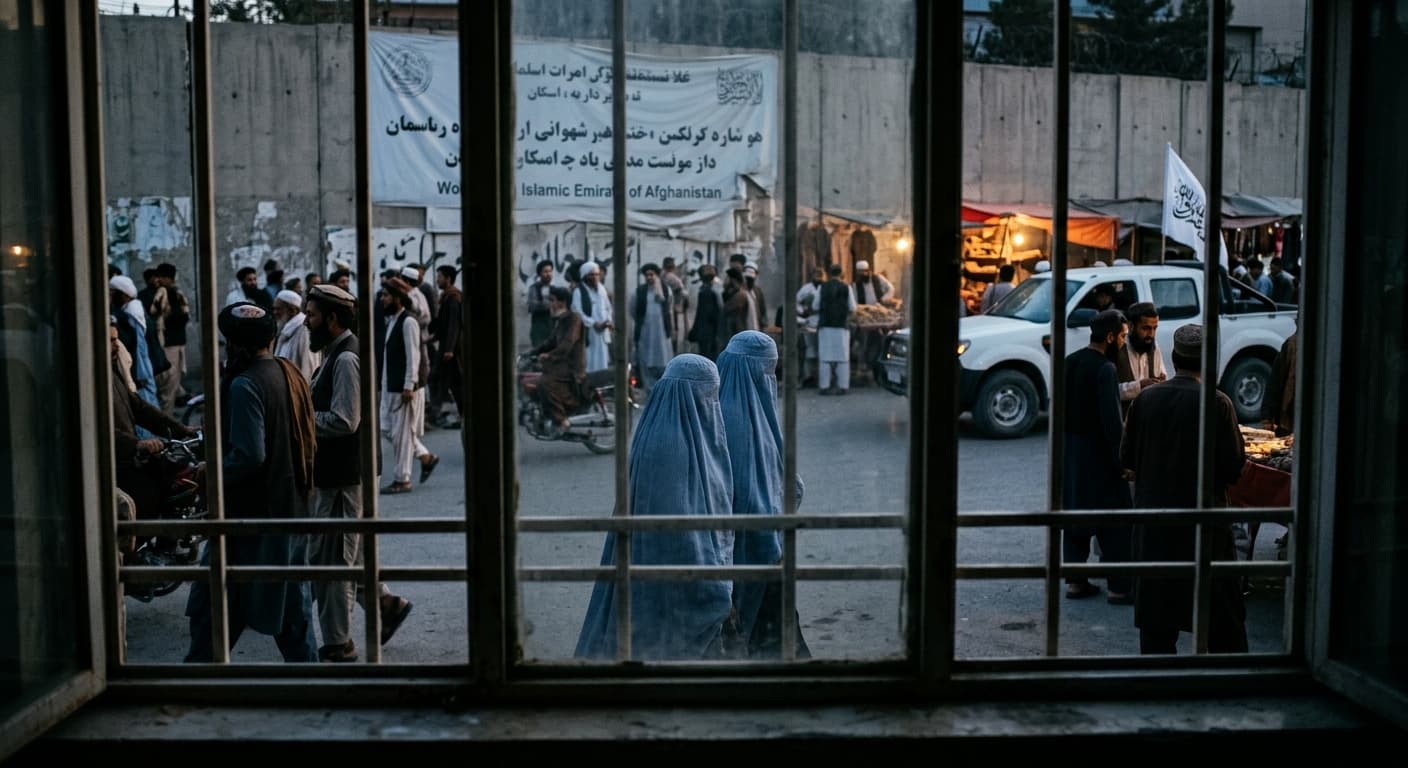
World Normalises Taliban as Afghan Women Eras
UN data shows Afghan women erased from public life as Russia recognises the Taliban, EU hosts officials in Brussels, and ICC warrants for gender persecution go unenforced.