Congress High Command Takes Charge of Kerala
High Command takes charge of Kerala's CM selection process.
Model Diplomat2 min readAsia
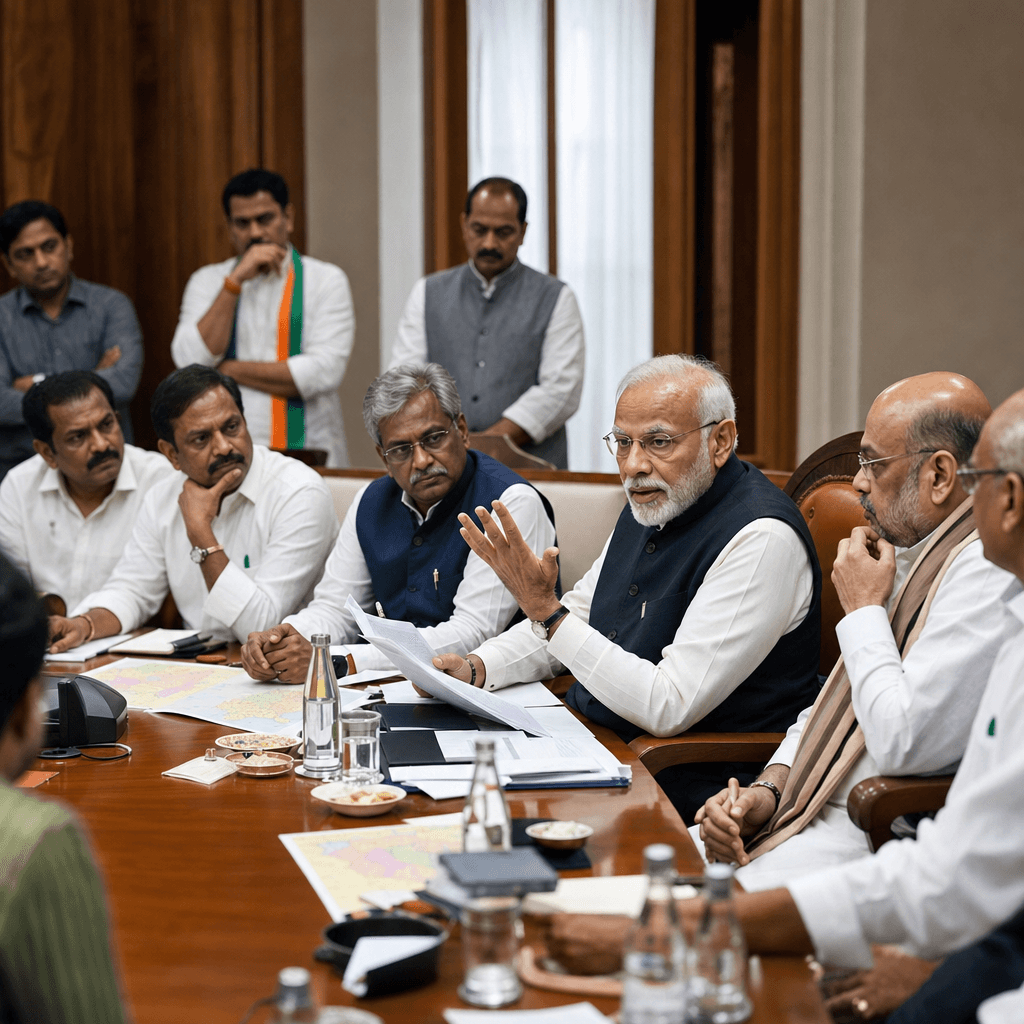
Congress High Command Seizes Kerala CM Race After UDF Win
Kerala’s CM pick has shifted from the legislature party to Delhi, with the High Command now balancing MLA numbers, ally pressure and factional peace.
The Congress Legislature Party in Thiruvananthapuram has authorised the AICC High Command to choose Kerala’s next chief minister, while observers Mukul Wasnik and Ajay Maken began one-on-one meetings with the party’s 63 MLAs to record their preference, according to The Hindu. The move turns the CM race into a Delhi-managed arbitration between three contenders: V.D. Satheesan, K.C. Venugopal and Ramesh Chennithala.
The Hindu
High command now holds the leverage
The power has clearly moved upward. The Congress does not need to win a coalition negotiation; it needs to prevent its own post-victory split from becoming the story. The party has 63 MLAs in a UDF that won 102 seats, giving it the numbers to govern but not the luxury of a clean consensus. The Hindu
That is why the observers matter. Waswanik and Maken are not deciding the job themselves; they are building a controlled record of preferences before the High Command takes the call, reportedly after further talks with the three aspirants. The Hindu This is classic Congress conflict management: keep the decision centralized, then present it as collective discipline.
What each camp is really trading on
Satheesan’s strength is political visibility. He was the outgoing Leader of the Opposition and, in the campaign, the most identifiable face of the Congress-led push. His camp is also drawing support from the Indian Union Muslim League, the key UDF ally, which makes him harder to ignore even if he lacks an undisputed MLA majority. The Hindu
The News Minute
Venugopal’s case is organizational muscle. Multiple reports say he has the largest bloc of MLA support, and his backers argue that his role in campaign logistics and fund-raising gives him the strongest claim inside the party machine. The News Minute
The Hindu BusinessLine But his vulnerability is obvious: he is the only one of the three who did not contest the Assembly election, which makes him a harder sell as the public face of a fresh government.
The News Minute
Chennithala is the compromise candidate in theory and the fallback in practice. His pitch is seniority and experience, not momentum. In a party trying to hold together rival camps after a decade out of power, that still matters. The Hindu BusinessLine
What to watch next
The next decision point is whether the High Command chooses the strongest organiser, the most visible campaigner or the least divisive elder. That call will tell us whether Delhi is prioritising governability or faction management. Watch the final recommendation after the observers finish their meetings, and then watch the reaction from the IUML and the Satheesan camp. If either feels sidelined, the new UDF government will begin with a legitimacy problem, not an opposition one. For a broader read on the national implications, see India and
Global Politics.
Discover more
India
Congress Accuses Modi of Stalling Women's Law
Congress accuses Modi's government of delaying the women's reservation bill for political gain, risking women's representation in India.
India
BJP's Delimitation Strategy
K.C. Venugopal claims BJP uses women's reservation to push delimitation, raising concerns over electoral fairness ahead of 2029 elections.
India
BJP Congress Clash Over MP Bill Defeat
The defeat of a Constitution Amendment Bill in Madhya Pradesh sparks a fierce clash between BJP and Congress, highlighting political tensions ahead of 2027 elections.
Global Politics
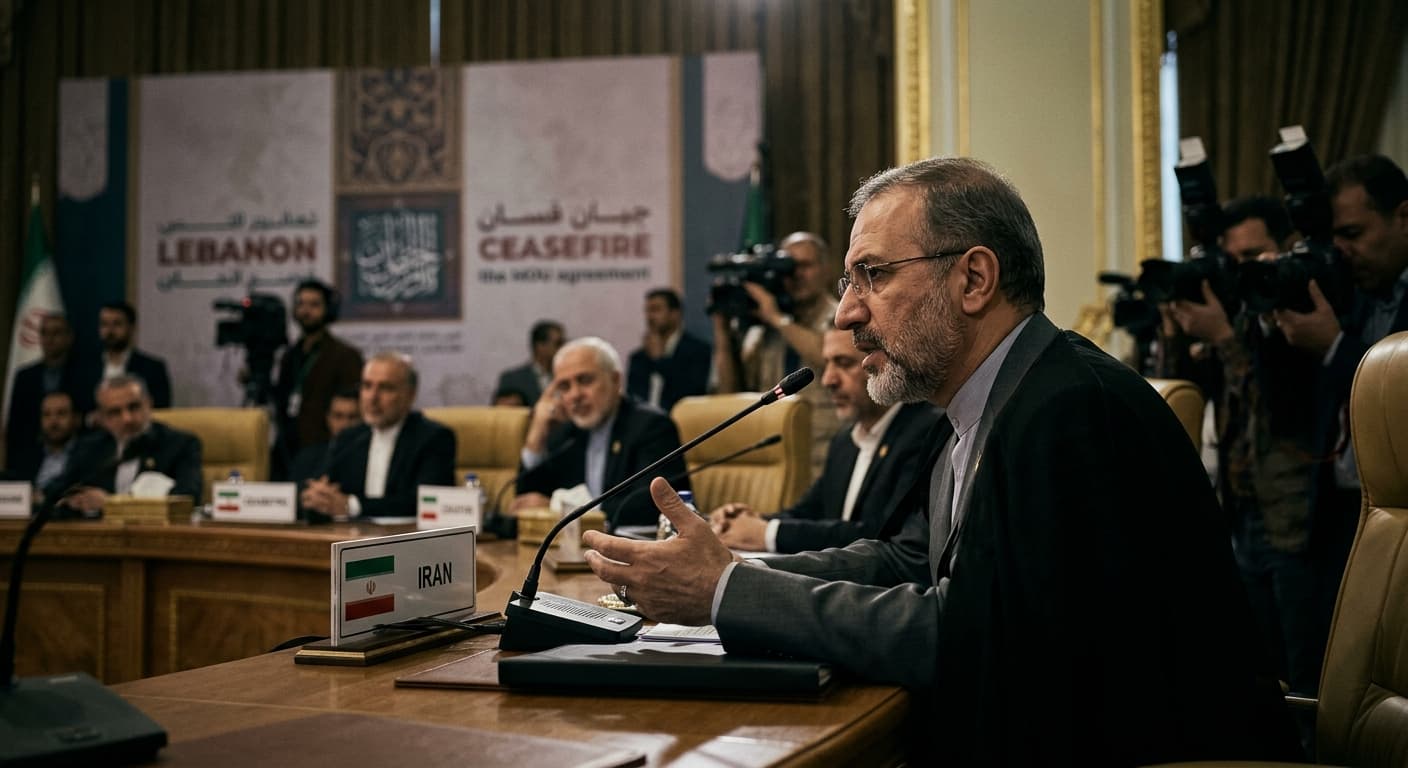
Iran Demands US Enforce Ceasefire
Iran insists the US must enforce a ceasefire in Lebanon to uphold the MoU.