China's Port Strategy Tested by Panama Disput
Panama's court ruling tests China's global port influence.
Model Diplomat3 min readCentral America

China’s Port Network Faces Its Panama Stress Test
Chinese-backed port stakes span key chokepoints, but Panama’s 2026 dispute shows Beijing’s leverage is valuable, indirect, and easier to unwind than it looks.
Chinese firms spent the last decade building commercial positions around the world’s maritime pinch points. The Economist’s graphic, citing Council on Foreign Relations data, maps Chinese-invested or Chinese-operated port projects outside China near Gibraltar, Suez, Hormuz, Panama, and Malacca as of August 2024 The Economist graphic. The power dynamic is now clearer: China’s leverage comes less from owning chokepoints than from sitting beside them through terminal concessions, operator contracts, and logistics access. Panama is where that model is being tested hardest.
Panama shows who can still pull the plug
The sharpest reversal came in Panama, where the Supreme Court voided key port contracts held by CK Hutchison’s Panama Ports Company in January 2026, throwing its control of the Balboa and Cristóbal terminals into doubt and complicating a broader $23 billion sale of CK Hutchison’s global ports business to a BlackRock-MSC consortium Panama court quashes CK Hutchison port contracts, clouding sales plan | Reuters. Reuters later reported that APM Terminals and MSC’s Terminal Investment Limited were appointed as interim operators for 18 months after the ruling
China detaining Panama-flagged ships amid battle over port control, FMC says | Reuters.
That matters because it shows the real limit of China’s overseas port strategy: host governments, courts, and rival financiers can still reassign the asset. For Washington, that is the opening. For Panama, it is a sovereignty play with commercial risk. For CK Hutchison, it is a direct loss of position, revenue, and deal value. For BlackRock, MSC, and Maersk, the reshuffle creates room to capture strategic terminals once seen as politically contaminated by U.S.-China rivalry BlackRock-backed group seeks to close CK Hutchison ports deal without Panama assets, FT reports | Reuters
CK Hutchison warns of legal action if Maersk takes over Panama's Balboa, Cristobal terminals | Reuters.
Beijing still has ways to impose costs
Losing terminal control does not mean losing leverage. In March 2026, Reuters reported that China had detained nearly 70 Panama-flagged vessels since March 8, according to the U.S. Federal Maritime Commission, as the port dispute escalated China detaining Panama-flagged ships amid battle over port control, FMC says | Reuters. That is the second-order lesson from the map: port stakes are one channel of influence; shipping regulation, customs friction, and flag-state pressure are others.
This is why the issue now belongs in any serious briefing on Global Politics and
International competition. The question is no longer whether Chinese capital reached strategic ports. It did. The question is which side can convert commercial access into durable political leverage.
What to watch next
Watch Panama’s 18-month interim period. The next decision point is whether Panama retenders the canal-adjacent terminals, renegotiates them, or lets the dispute slide into prolonged arbitration China detaining Panama-flagged ships amid battle over port control, FMC says | Reuters
Panama court quashes CK Hutchison port contracts, clouding sales plan | Reuters. Also watch whether China broadens pressure on Panama-linked shipping and whether other governments review Chinese-linked port concessions near major chokepoints after seeing how quickly Panama turned a commercial asset into a geopolitical fight.
Discover more

Global Politics
US Seizes Iranian Ship, Tensions Surge
The US seizure of the Iranian ship Touska highlights a shift in control over the Strait of Hormuz, favoring Iran's strategic position.

Conflict & Security
Drone Warfare Killing Aid Workers at Unprec
Over 1,000 humanitarian workers killed in three years as cheap armed drones collapse legal protections. Gaza, Sudan, Ukraine, and DRC see deliberate targeting of aid convoys and hospitals with zero prosecutions.
Global
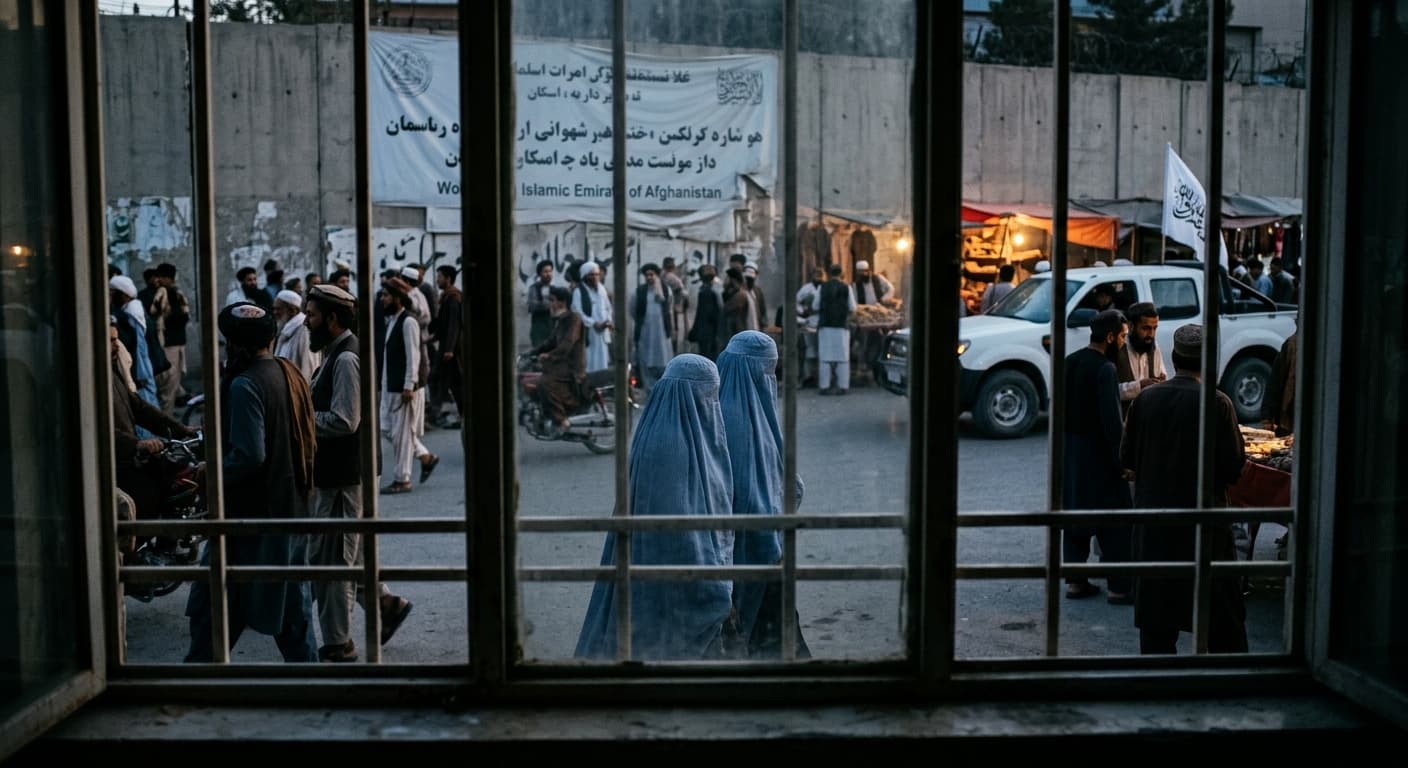
World Normalises Taliban as Afghan Women Eras
UN data shows Afghan women erased from public life as Russia recognises the Taliban, EU hosts officials in Brussels, and ICC warrants for gender persecution go unenforced.
Conflict & Security
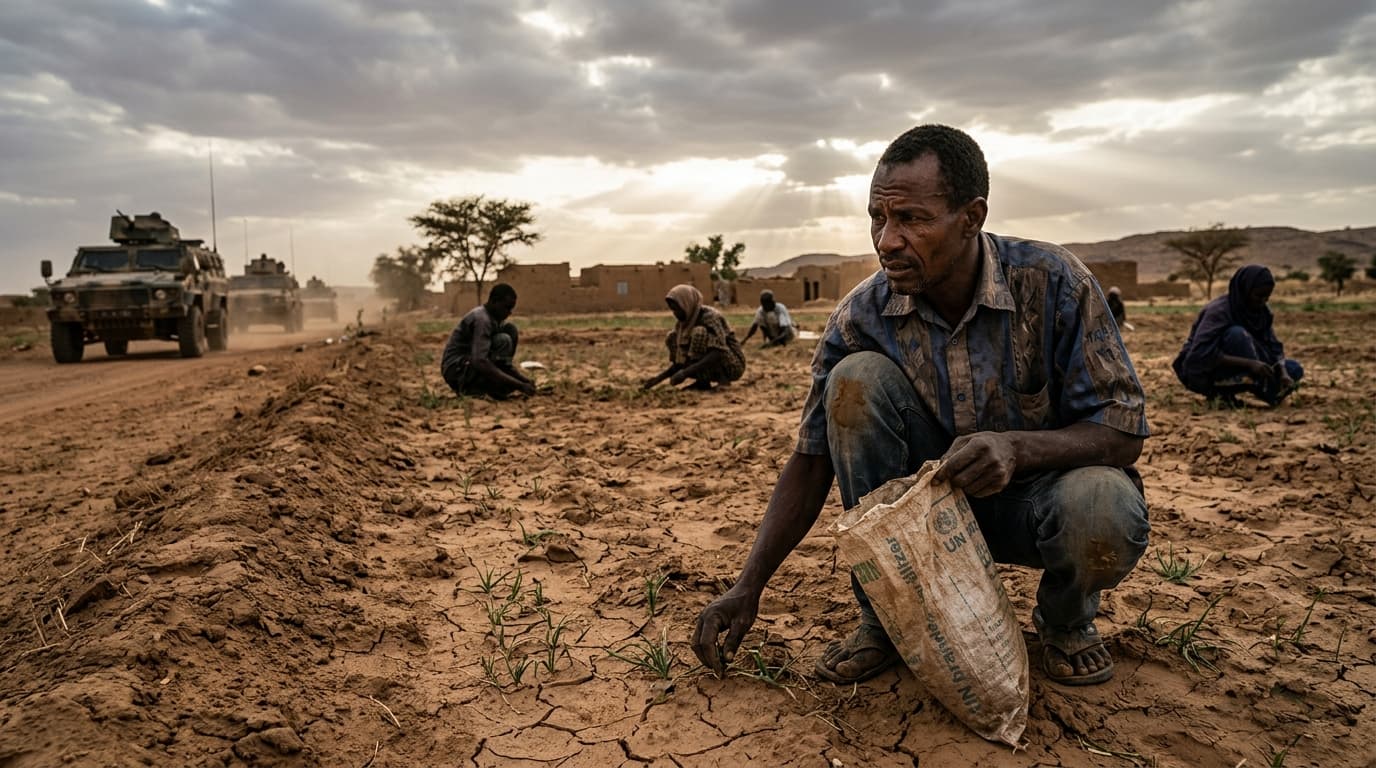
West Africa Food Crisis: Three Shocks in 2026
Conflict, climate extremes, and the Strait of Hormuz closure drive a severe food crisis in West and Central Africa, with fertilizer prices surging 80% and millions displaced.