Trump's Iran Hostilities Claim
Trump seeks to control narrative on Iran hostilities and Congress.
Model Diplomat3 min readNorth America
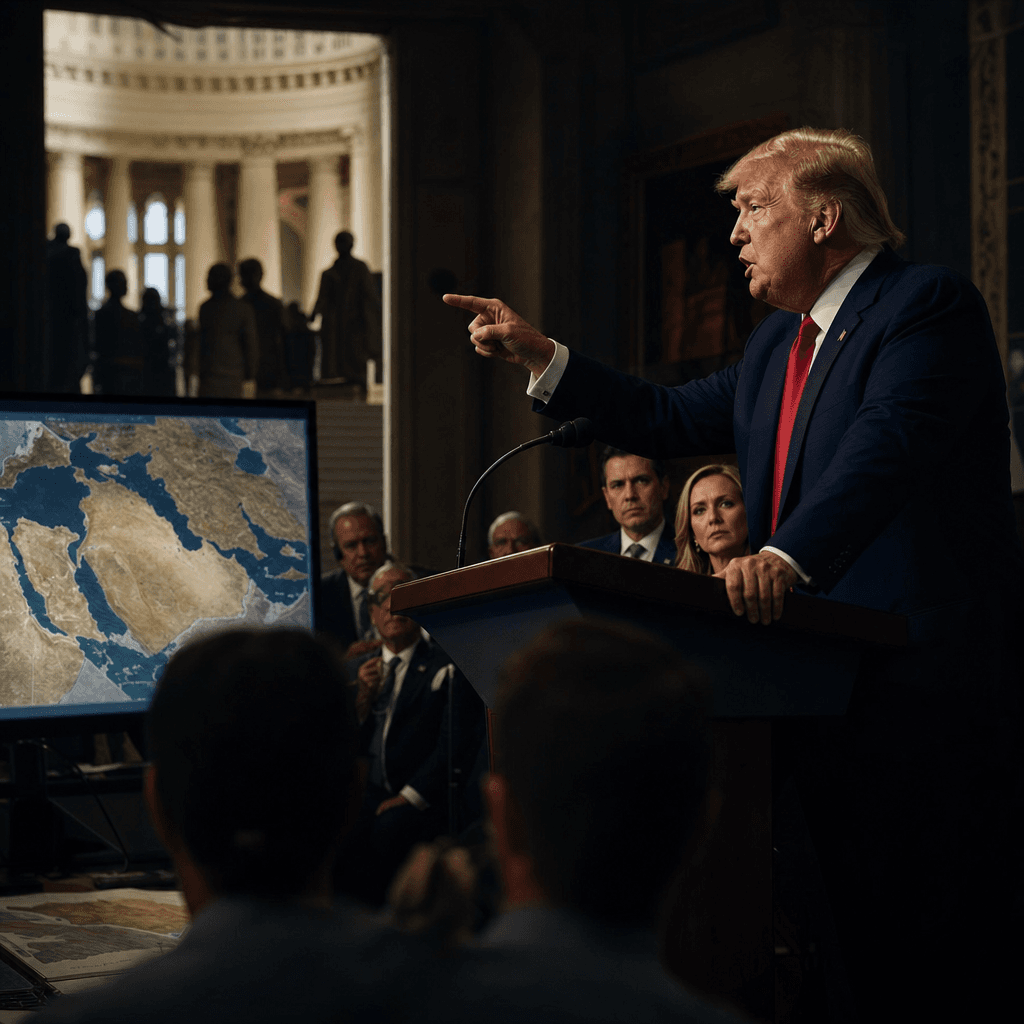
Trump’s ‘Terminated’ Iran Claim Is About Congress
By declaring hostilities over at the War Powers deadline, Trump is trying to deny Congress a vote while keeping pressure on Tehran.
Donald Trump is trying to lock in the main advantage that matters in Washington: control of the legal narrative. In a letter to Congress on May 1, he said U.S. hostilities with Iran had “terminated” as he reached the reporting deadline tied to military action under the War Powers framework. The Washington Post Under the War Powers Resolution, presidents must end the use of U.S. forces within 60 days of a report to Congress unless lawmakers authorize the action or extend the period.
Cornell Law School
That makes this less about whether the fighting is truly over than about who gets to define the end of the war. Trump wants to shut off Congress’s strongest point of leverage — a forced authorization fight — by asserting that the legal clock no longer matters because the hostilities are already over. The Washington Post
Why this move matters
The White House has been building that argument around a ceasefire that began in April and was later extended, with administration officials framing the conflict as effectively concluded. Associated Press That is the key power play: if there are no ongoing hostilities, Congress has less procedural urgency and less political space to force a vote.
But Trump is also keeping military leverage in reserve. On the same day, he said he was “not satisfied” with Iran’s latest peace proposal, and CNN reported he described statutory limits on his war powers as “totally unconstitutional.” Associated Press
CNN In other words: Trump is trying to end the congressional fight without fully surrendering escalation options against Tehran.
For Washington, this is now as much a US politics contest over presidential power as an
international negotiation with Iran.
Who gains, who loses
Trump gains most immediately. If his “terminated” claim holds politically, he avoids a bruising authorization battle and preserves the image that he ended a conflict on his own terms. The Washington Post Congress, especially members who wanted a formal vote on the use of force, loses leverage unless it can show that U.S. military involvement is continuing in a legally meaningful way.
Iran gains something narrower but real: the letter signals that Trump wants to close the domestic U.S. front more than he wants to reopen large-scale operations. But Tehran should not mistake that for strategic restraint. Trump’s rejection of Iran’s latest proposal suggests he still wants coercive pressure without congressional constraints. Associated Press
What to watch next
Three things matter now. First, whether Congressional leaders accept the White House position that hostilities have in fact ended, or demand a fuller legal and operational accounting. The Washington Post Second, whether the April ceasefire extension actually holds.
Associated Press Third, whether Trump’s dissatisfaction with Iran’s peace terms turns into renewed strikes, naval action, or new threats — because the moment U.S. forces resume sustained hostilities, the War Powers fight snaps back to life.
CNN
Discover more
Global Politics
Trump's Conflicting Messages on Iran War
Trump's mixed messages on Iran reflect a strategy of audience management, benefiting Tehran amid a complex geopolitical landscape.

Conflict & Security
Drone Warfare Killing Aid Workers at Unprec
Over 1,000 humanitarian workers killed in three years as cheap armed drones collapse legal protections. Gaza, Sudan, Ukraine, and DRC see deliberate targeting of aid convoys and hospitals with zero prosecutions.

Global
World Normalises Taliban as Afghan Women Eras
UN data shows Afghan women erased from public life as Russia recognises the Taliban, EU hosts officials in Brussels, and ICC warrants for gender persecution go unenforced.
Conflict & Security
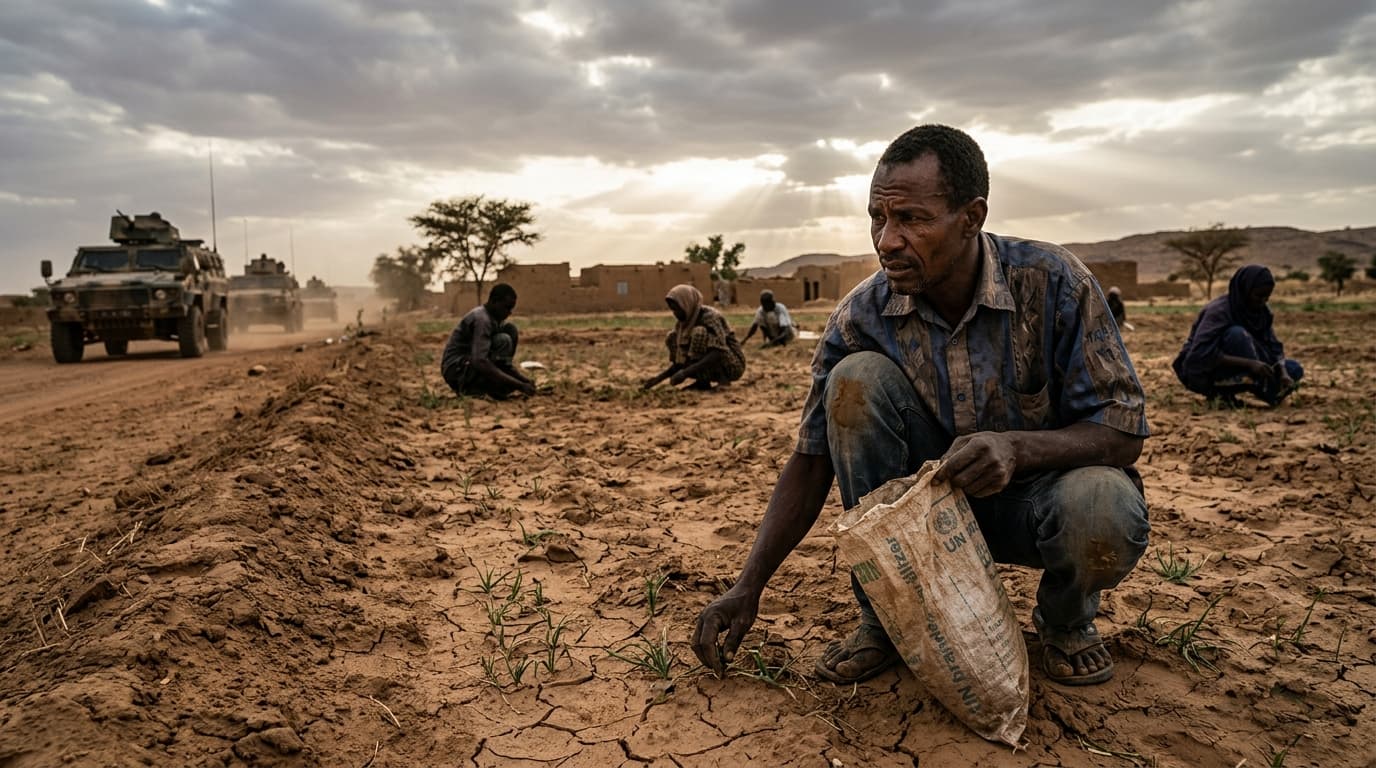
West Africa Food Crisis: Three Shocks in 2026
Conflict, climate extremes, and the Strait of Hormuz closure drive a severe food crisis in West and Central Africa, with fertilizer prices surging 80% and millions displaced.