China's Governance Push: A New Order
Beijing's ambitions reshape global governance norms.
Model Diplomat3 min readAsia
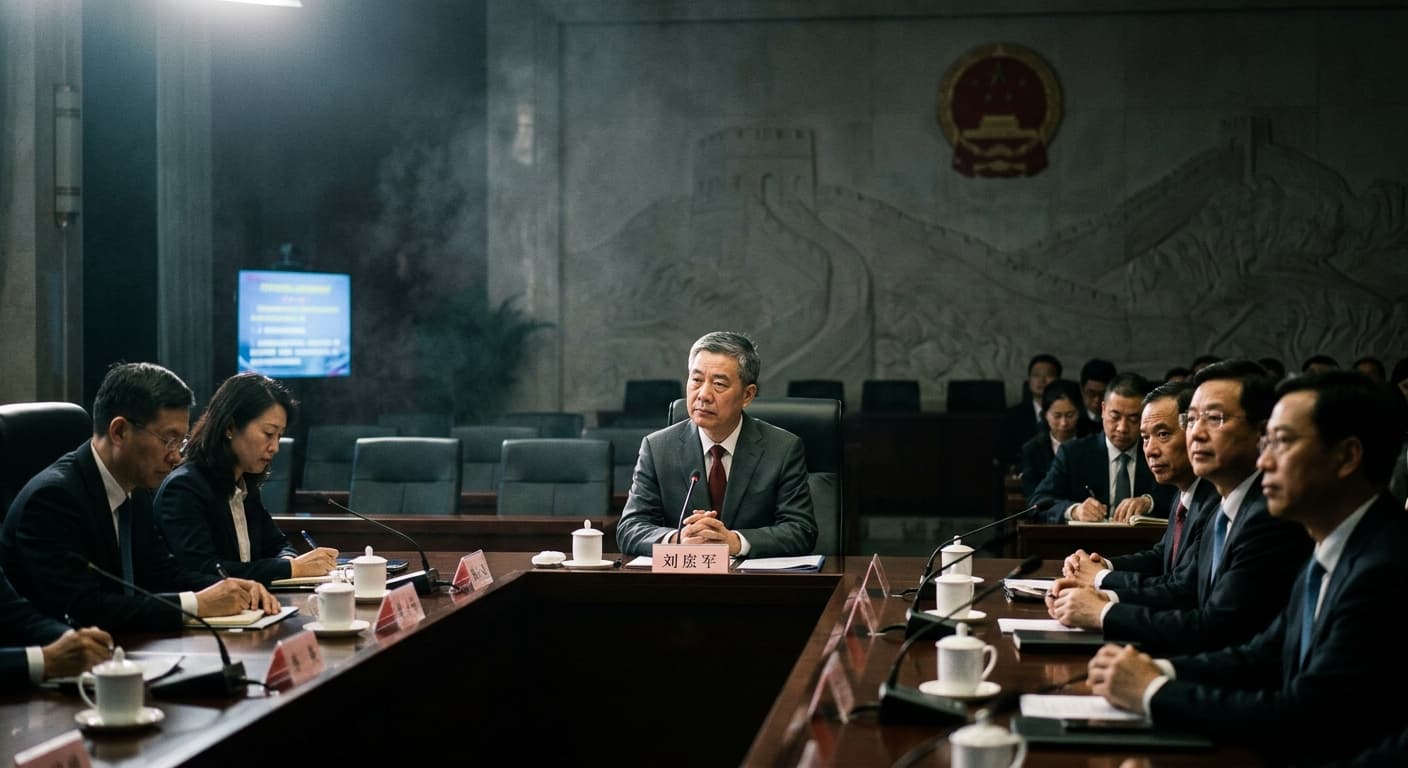
China's Selective Revisionism: The Real Target of Beijing's Governance Push
Beijing's white paper masks a deeper ambition: not to replace global institutions, but to hollow out the liberal norms that constrain authoritarian rule.
On June 17, China released a white paper titled "More Just and Equitable Global Governance," framing itself as a defender of the post-war international order. The document claims China supports multilateralism and the UN-centered system — and superficially, that's accurate. But a close reading reveals something more sophisticated and destabilizing: a campaign to preserve the institutional architecture of global governance while systematically rewriting the normative foundations that constrain Beijing's behavior.
The distinction matters. According to Manoj Kewalramani's analysis in The Hindu, China has raised its UN budget share from under 1% in 2000 to over 20% in 2025, backed WTO reforms, and built complementary institutions like the Asian Infrastructure Investment Bank. These moves appear supportive. But they serve a single purpose: expanding China's authority within existing structures while creating parallel platforms that advance Beijing's agenda. "These are not designed to replace the existing system," Kewalramani writes, "but to expand China's authority within it."
The real transformation lies elsewhere. China's four global initiatives — on development, security, civilization, and governance — amount to systematic rebranding of universal principles into culturally contingent ones. The Global Security Initiative's emphasis on "legitimate security concerns" has been operationalized to dilute Ukraine's right to choose its own alliances, directly serving Beijing's interest in weakening NATO. The Global Civilization Initiative's call for "diverse interpretations of universal values" recasts human rights as contingent rather than universal, insulating authoritarian governance from scrutiny. China's outcome-based definition of democracy — where legitimacy derives from material delivery rather than institutional accountability — marks a fundamental break from liberal norms.
The Council on Foreign Relations notes that China increasingly pursues this on two fronts: supporting institutions aligned with its goals while undermining values on which others rest, and in emerging domains like internet governance, working with other autocracies to embed authoritarian standards before democracies can set terms. The cumulative effect is a world where the same institutions exist — the UN, the WTO, the Bretton Woods bodies — but where the principles animating them shift in Beijing's favor.
The white paper has gained rhetorical support: nearly 160 countries and international organizations have nominally endorsed the Global Governance Initiative, according to CGTN reporting. Most of that backing comes from developing nations eager for a louder voice in global affairs and skeptical of Western-led institutions.
As Al Jazeera reported, China's foreign minister Wang Yi cast the initiative as a remedy for underrepresentation of emerging economies. That message resonates. But beneath the language of equity lies a narrower calculation: dilute the normative constraints that limit Beijing's domestic repression and regional assertiveness.
What to watch
Whether China's selective revisionism succeeds depends on three factors. First: China must maintain institutional presence — keeping its UN seat, its BRICS+ leadership, its voting power in the World Bank — without triggering a Western coalition that would mount structural opposition. Second: it must continue recruiting Global South support by offering material benefits — infrastructure investment, favorable loan terms, technology transfer. Third: it must exploit the current US retreat. Chatham House observers note that Beijing frames this rivalry as delegitimizing Washington as a source of global stability, not defending an alternative order — a frame that carries real power when the US is perceived as destabilizing.
The clock moves fastest in domains where norms are still unformed. Internet governance, artificial intelligence standards, and space law offer China a chance to embed its vision before Western democracies organize. Expect Beijing to push hardest there, leveraging its technological scale and alliance with other autocracies. For the West, the question is no longer whether to defend the old order — that's already sliding. It's whether to coherently articulate what a revised one looks like before Beijing finishes writing it.
Discover more
India
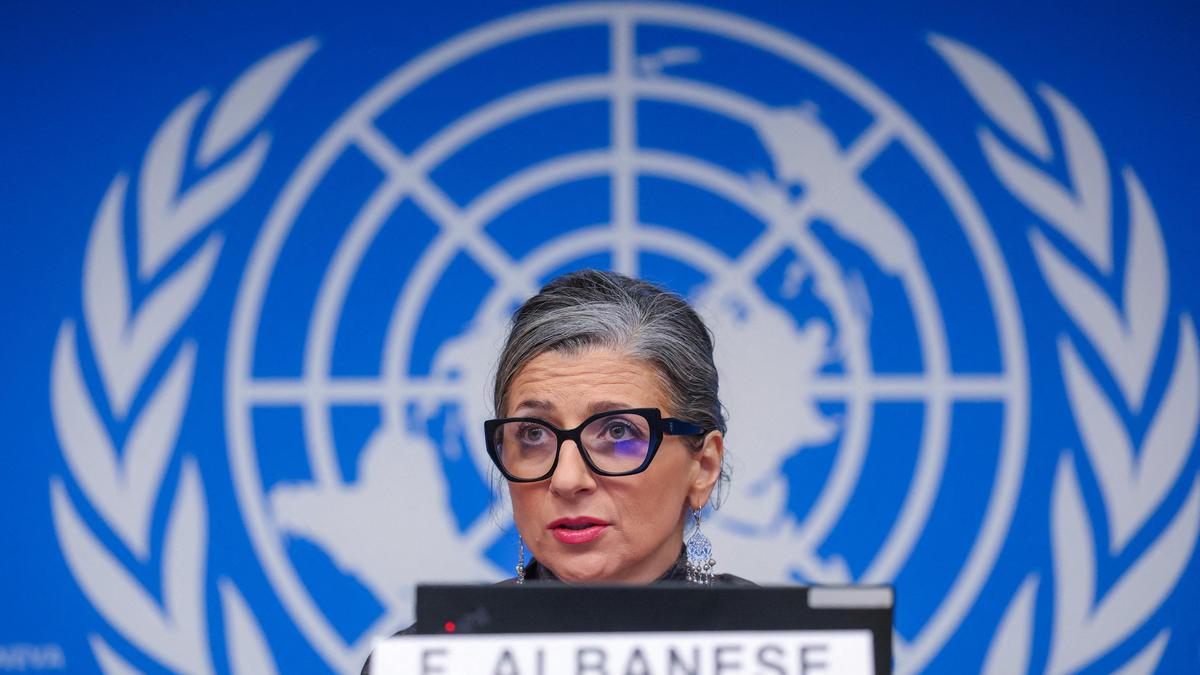
UN Expert Albanese: India Violates Law
UN Rapporteur Francesca Albanese accuses India of breaching international law, spotlighting human rights concerns in Kashmir and prompting diplomatic pushback.

India
India-South Korea $50B Trade Expansion Plan
India and South Korea target $50 billion in bilateral trade by 2030, focusing on industrial cooperation and strategic alignment amid US pressures.
India
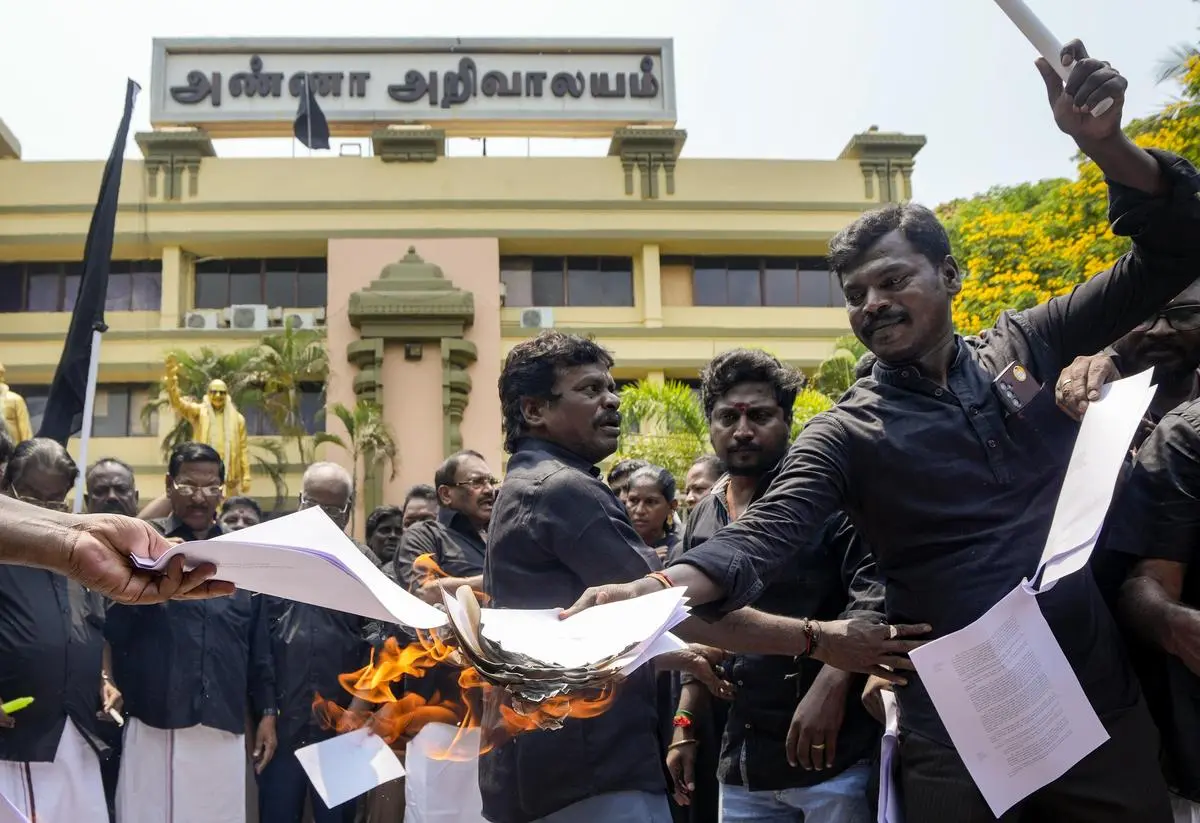
Women’s Reservation Bill 2026
The Constitution (131st Amendment) Bill, 2026 was defeated in Lok Sabha, revealing deeper political conflicts over women's reservation and delimitation.

Conflict & Security
Drone Warfare Killing Aid Workers at Unprec
Over 1,000 humanitarian workers killed in three years as cheap armed drones collapse legal protections. Gaza, Sudan, Ukraine, and DRC see deliberate targeting of aid convoys and hospitals with zero prosecutions.