China's Anti-Sanctions Law
Beijing enforces law against U.S. sanctions on Iranian oil buyers
Model Diplomat2 min readAsia
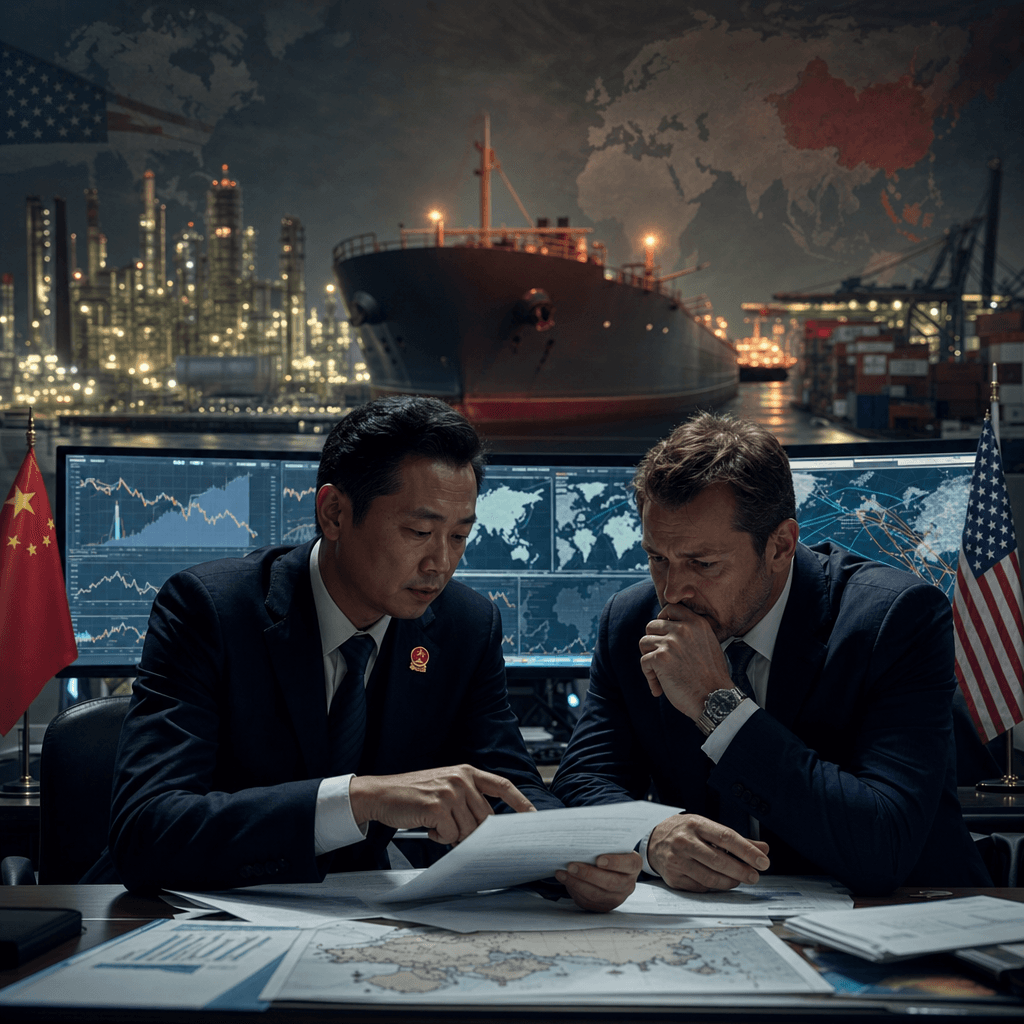
China’s anti-sanctions law turns oil trade into a legal test
Beijing has used its blocking rules for the first time, forcing firms to choose between U.S. sanctions on Iranian-oil buyers and compliance with Chinese law.
China has moved from rhetoric to enforcement. On May 2, the Ministry of Commerce ordered Chinese citizens and companies not to recognize, enforce or comply with U.S. sanctions on five refineries, including Hengli Petrochemical (Dalian), after Washington blacklisted the plant for buying Iranian crude, Al Jazeera and
Reuters reported.
Beijing is using law as leverage
The point is not just to protect one refinery. It is to signal that China will answer U.S. secondary sanctions with its own legal penalties. Under the anti-sanctions framework, Chinese entities hit by foreign measures must report to the Ministry of Commerce within 30 days; the ministry can then issue a prohibition order, and companies that incur losses by complying with foreign sanctions can sue for compensation, Al Jazeera reported.
That changes the negotiating landscape for Chinese firms. Hengli and other “teapot” refiners are the immediate beneficiaries because Beijing is telling them they do not have to absorb U.S. pressure alone. But the bigger beneficiary is the Chinese state: it is using the law to harden a wider line against what it calls U.S. “long-arm jurisdiction,” and to keep private refiners, traders and banks inside Beijing’s policy orbit, Reuters and
Al Jazeera said.
The real pressure point is not the refinery
The immediate U.S. target was a Chinese independent refinery, but Reuters noted these “teapot” plants have limited exposure to the U.S. financial system, which means sanctions bite less at the refinery gate than they do through banks, shippers and insurers that touch the trade. That is why Washington’s sanctions on Hengli matter less as a punishment than as a warning shot to the broader ecosystem financing Iranian oil, Reuters reported.
China’s law is designed to blunt that warning. It gives firms a domestic legal basis to ignore U.S. sanctions, but it does not erase the commercial dilemma. Multinationals still face a choice between access to China and access to the U.S.-led financial system. That is the core power play: Beijing is trying to make compliance with Washington more expensive, while Washington is trying to make Iranian oil trade with China more costly.
What to watch next
The next decision point is whether Beijing widens enforcement beyond this first order. The ministry has a 30-day review window in the rules, and it can grant exemptions, which means the real signal will be whether Chinese regulators pressure banks and trading houses to follow the order, or quietly allow carve-outs for firms with major overseas exposure, Al Jazeera and
Reuters said.
Watch Washington’s response next, especially whether it shifts from sanctioning refiners to targeting Chinese banks or payment channels. That would raise the cost for Beijing sharply and turn this from a refinery dispute into a broader test of sanctions enforcement, financial coercion and Global Politics leverage.
Discover more
Global
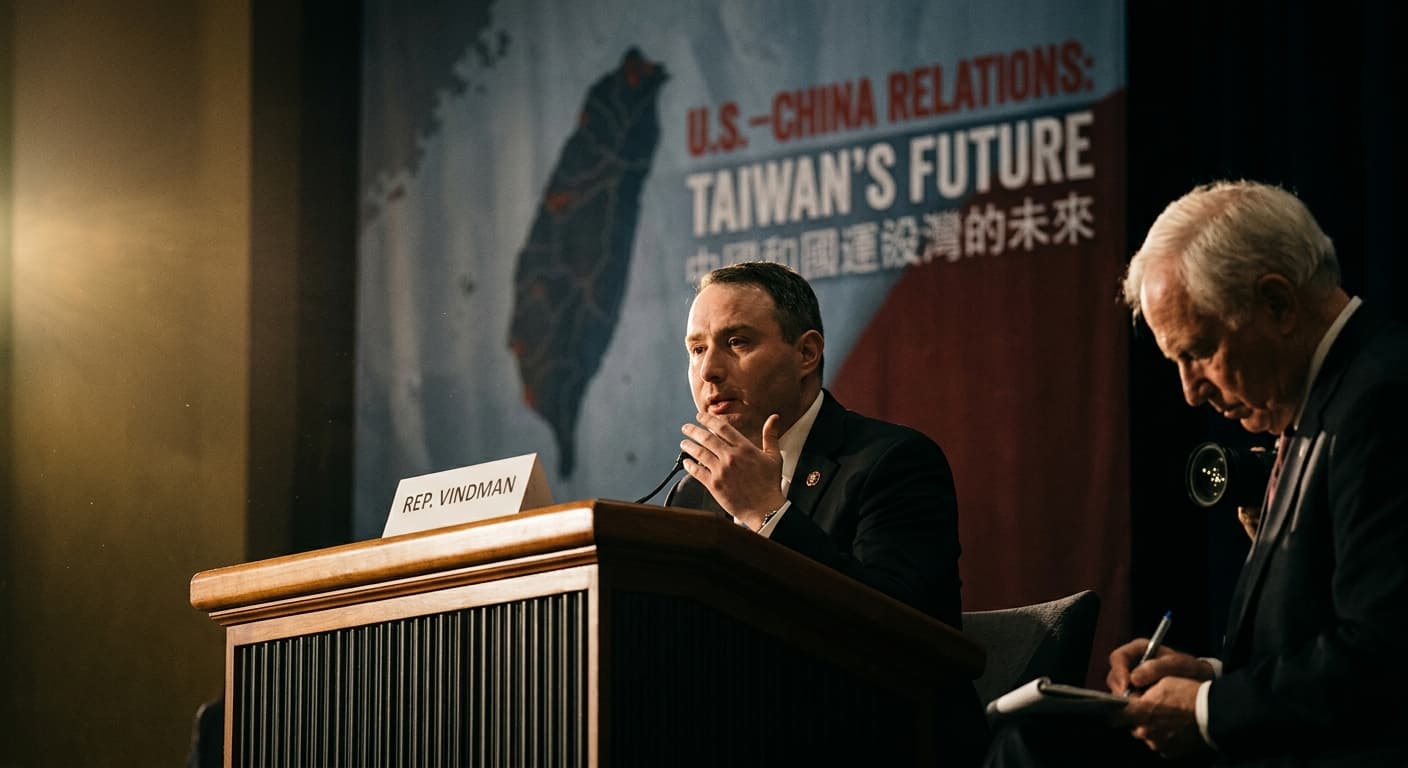
Vindman's Call for U.S. Response to China
Rep. Eugene Vindman highlights the urgent need for a U.S. strategy to counter China's gray-zone tactics against Taiwan, emphasizing economic stakes.

Global
Taiwan's Civil Defense: Deterrence Strategy
Taiwan's National Security Council emphasizes civil defense drills as a deterrent against Chinese military aggression, amid budget cuts and rising tensions.
Global
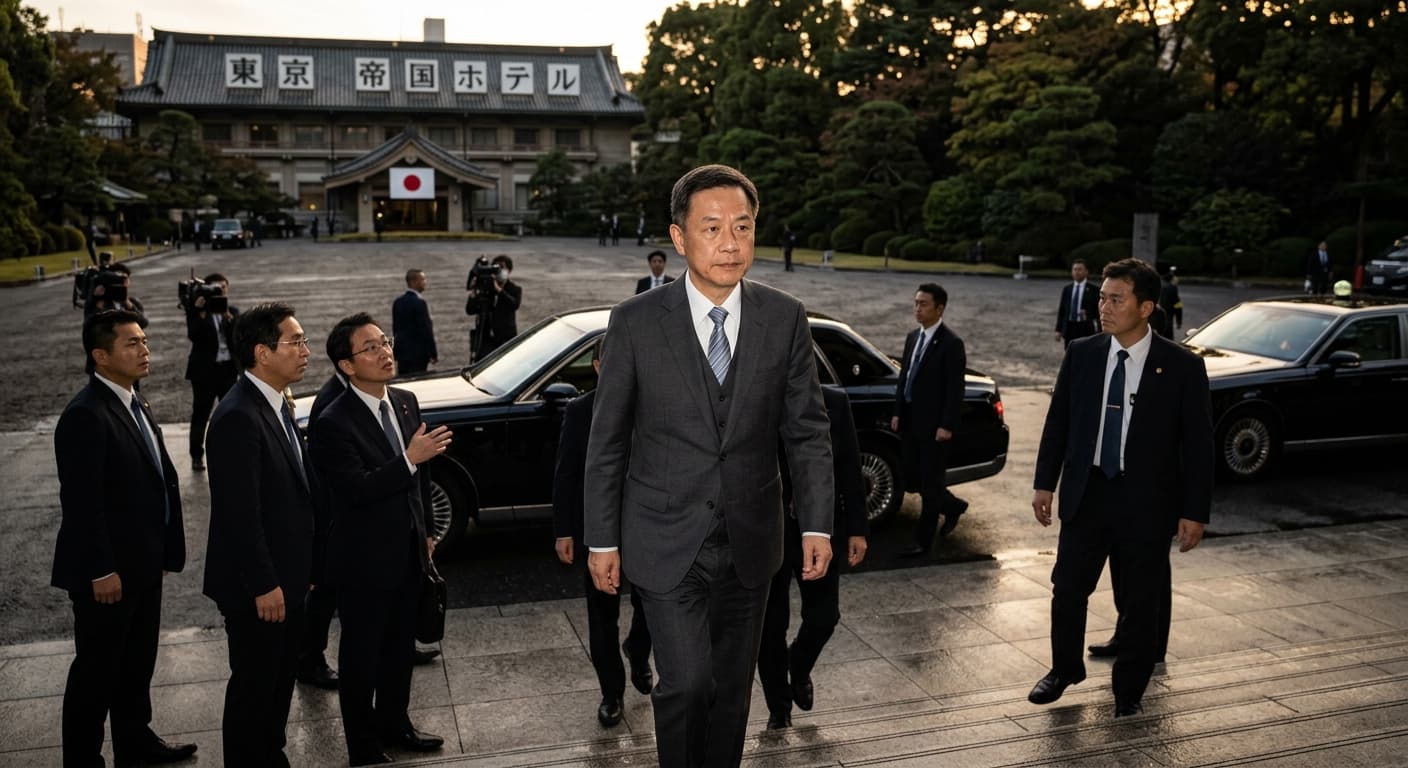
Taiwan Premier's Historic Tokyo Visit
Taiwan Premier Cho Jung-tai's visit to Japan breaks a 54-year precedent, signaling a shift in Indo-Pacific dynamics amid China's coercion.

India
Lipulekh Pass Reopens: India-China Trade
India and China reopen the Lipulekh Pass for cross-border trade, signaling a cautious thaw in relations after years of frozen frontier and diplomatic tensions.