North Korea's Nuclear Stance at UN NPT
Pyongyang asserts its nuclear status amid global tensions.
Model Diplomat3 min readAsia

North Korea Hardens Its Nuclear Red Line at the UN
Pyongyang is using the NPT review conference to lock in its nuclear status, betting that defiance buys leverage while the nonproliferation regime keeps fraying.
North Korea has used the UN’s own nonproliferation forum to do what it has done since 2003: tell the world that its nuclear arsenal is permanent. In a statement carried by state media, UN ambassador Kim Song said Pyongyang will not be bound by the Nuclear Non-Proliferation Treaty “under any circumstances whatsoever,” according to Al Jazeera and
Reuters. The timing matters: he made the point as delegates met in New York for the 11th NPT Review Conference, where the US and allies were again pressing North Korea’s weapons program.
What Pyongyang is trying to achieve
This is not a legal argument; it is a power play. North Korea withdrew from the NPT in 2003, has since carried out six nuclear tests, and is widely assessed to hold dozens of warheads, according to Al Jazeera. By restating that its nuclear status is “enshrined in the constitution,” Kim is trying to shut the door on any future disarmament talk and recast sanctions pressure as illegitimate interference.
The leverage Pyongyang seeks is not over the treaty itself — it is over the bargaining table. North Korea wants recognition as a de facto nuclear state, sanctions relief, and room to deepen military ties with Russia. Al Jazeera notes that North Korean troops and artillery have supported Russia’s war in Ukraine, and observers say Moscow may be returning military technology. That gives Kim more room to resist pressure from Washington and Seoul.
Why the NPT is under strain
The bigger problem is that North Korea’s statement lands in a system already under strain. The NPT still distinguishes between the five recognized nuclear powers and everyone else, but the gap between the treaty’s ideals and reality is widening. Al Jazeera cites SIPRI’s estimate that the nine nuclear-armed states held 12,241 warheads in January 2025, with the US and Russia still controlling nearly 90 percent of them.
That is why Pyongyang’s rhetoric matters beyond the Korean peninsula. When North Korea openly dismisses treaty constraints, it weakens the norm that the NPT is supposed to enforce — and gives other proliferators an argument that nuclear weapons, not compliance, are what secure survival. That dynamic is especially awkward for Washington, which is simultaneously hardening its line on Iran’s nuclear program while trying to defend the treaty order. For broader context, see Global Politics and the
United States.
What to watch next
The next test is diplomatic, not military. Watch whether the NPT review conference issues a unified criticism of North Korea or settles for familiar language that avoids confrontation. Also watch the U.S.-China channel: Yonhap says North Korea’s nuclear issue could surface at the planned Trump-Xi summit next week. If Beijing is willing to treat Pyongyang as a bargaining issue rather than a nonproliferation problem, North Korea’s room to maneuver grows.
Discover more

Global
Kim's Warning on Seoul–Tokyo Pact
North Korea's KCNA warns that a pending Seoul–Tokyo logistics pact threatens its deterrence, signaling a shift in regional military dynamics.
Global
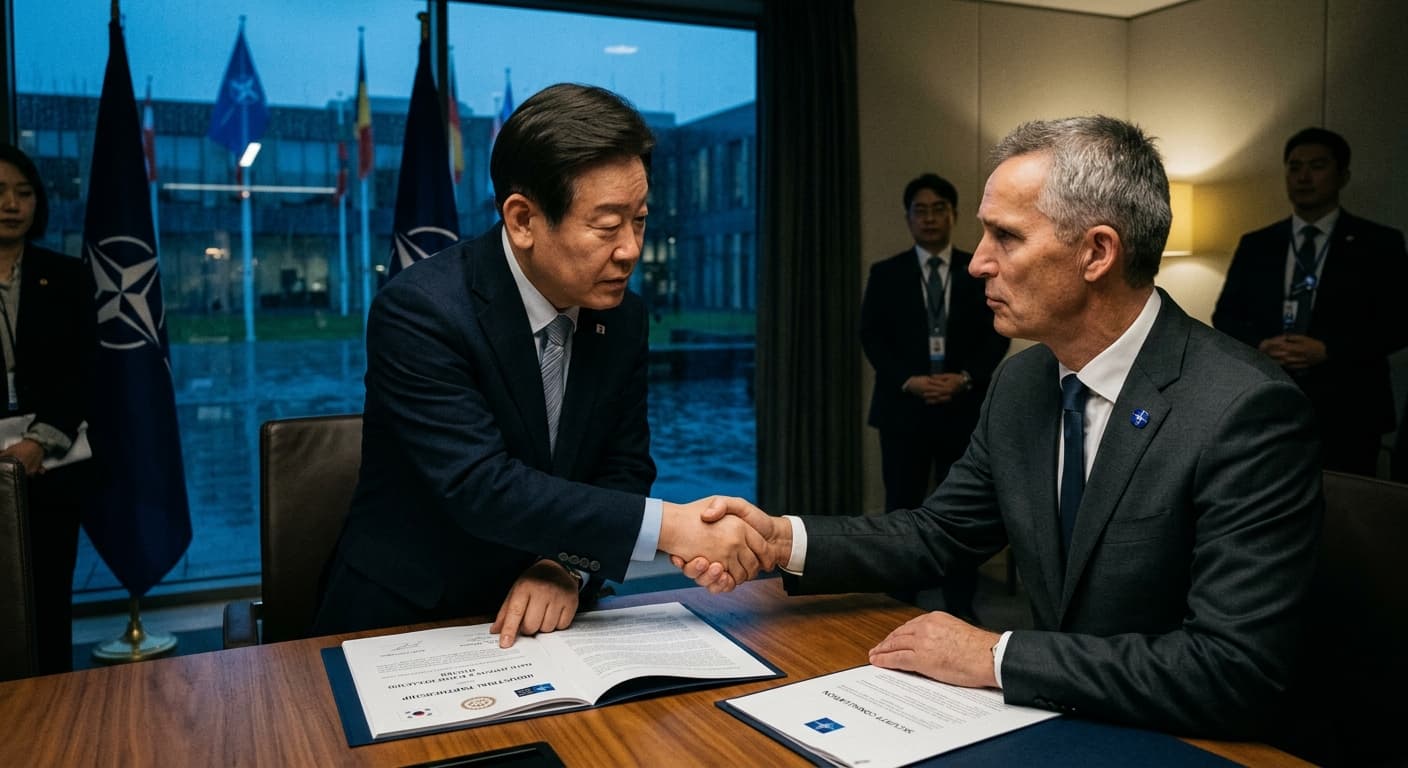
Lee Turns to NATO on North Korea Deal
At the NATO summit, South Korea's Lee Jae-myung sought help against North Korea but left with a defense industry partnership instead.
Global Politics
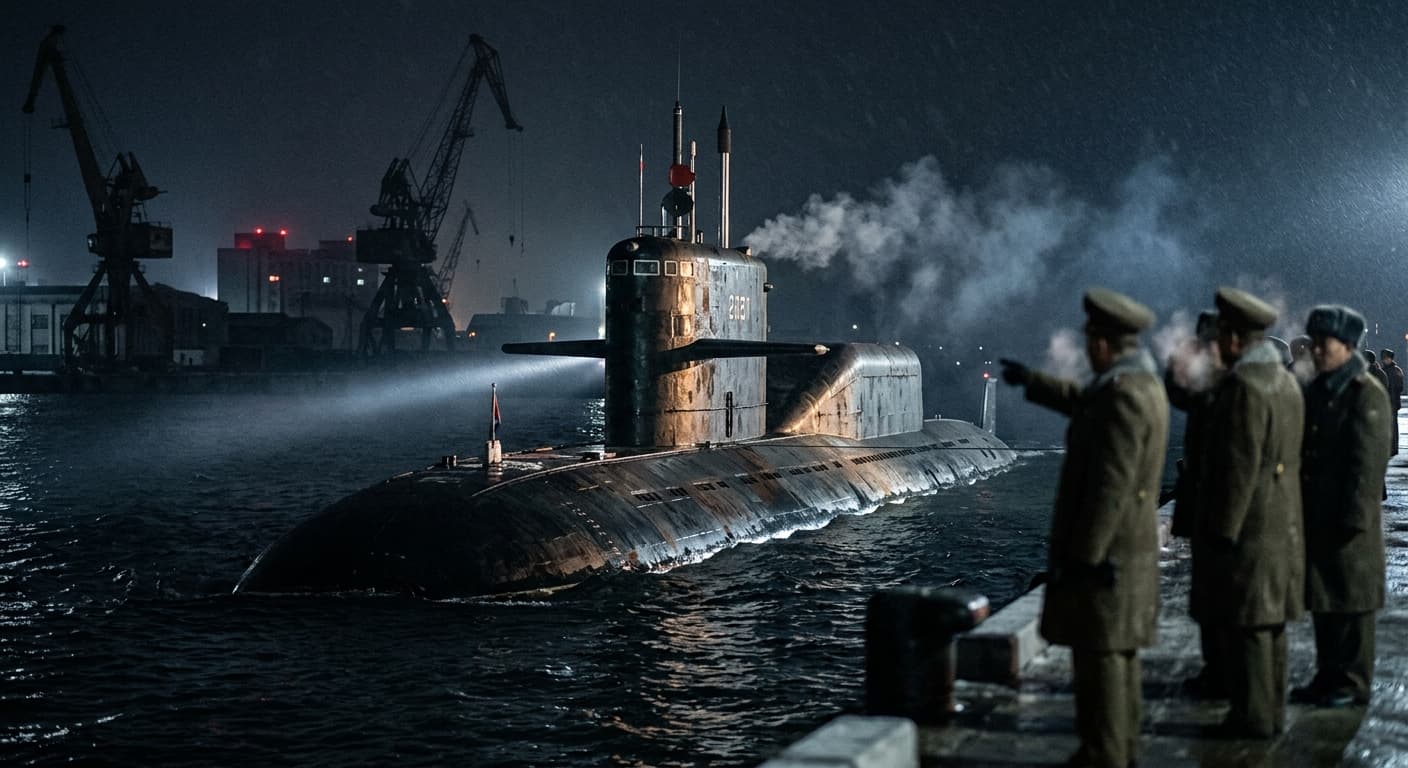
North Korea's Nuclear Navy Developments
North Korea's commissioning of the destroyer Choe Hyon marks a decisive shift toward a nuclear navy, raising maritime security concerns for South Korea.
Global Politics
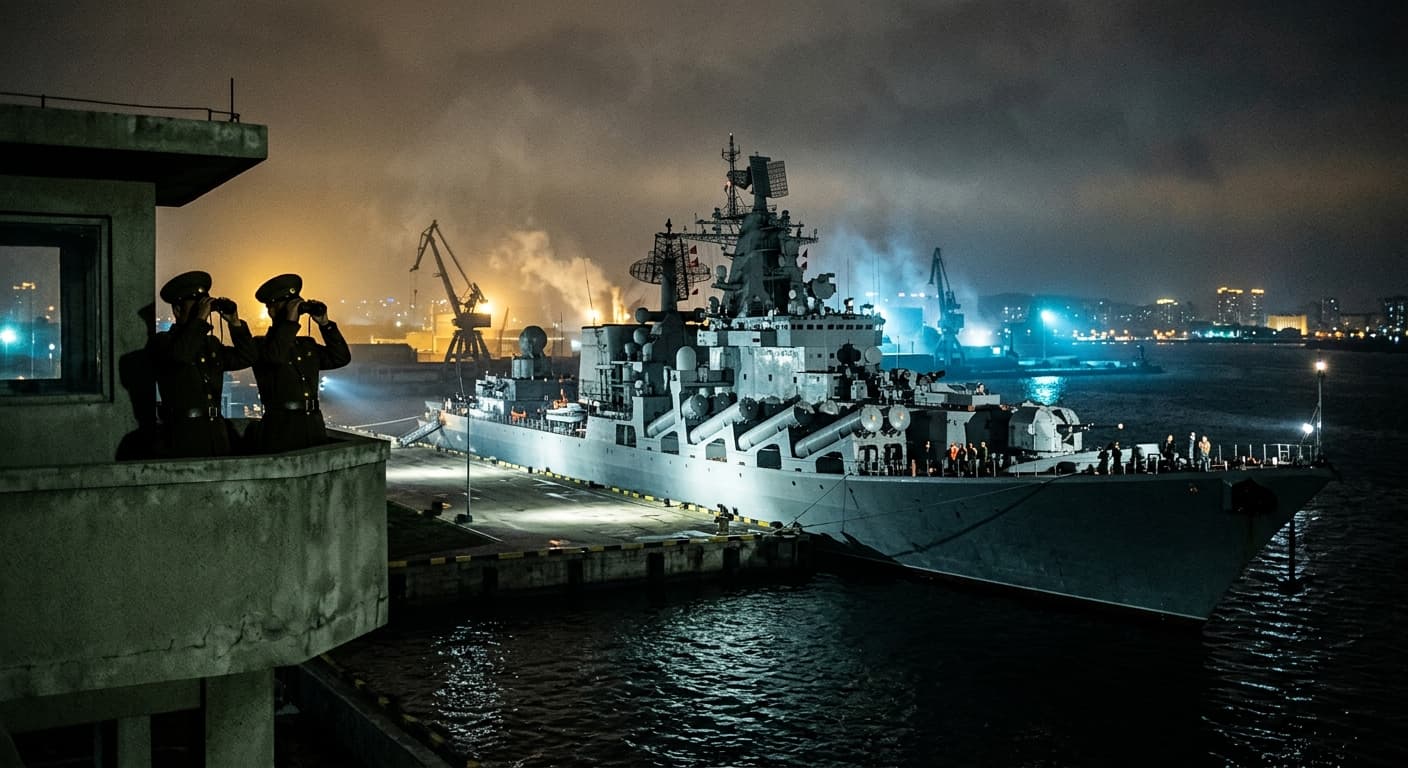
North Korea's Nuclear Navy Ambitions
North Korea's newly unveiled destroyer signals a bold push toward a nuclear-armed navy, marking a notable shift in Kim Jong Un's military and maritime strategy.