China Urges Iran to Reopen Hormuz Strait
Beijing seeks energy stability and diplomatic leverage with Tehran.
Model Diplomat2 min readMiddle East
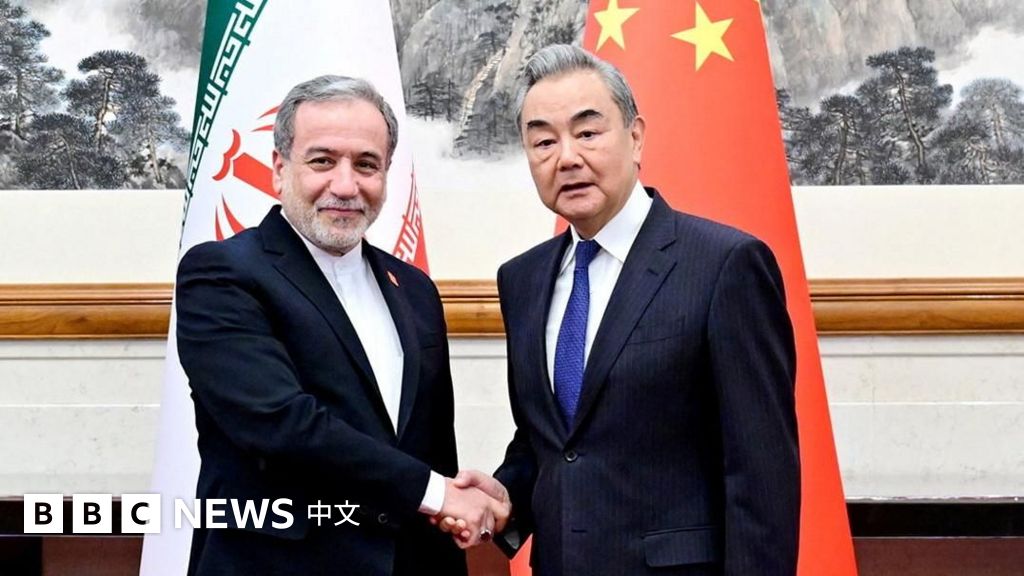
China Presses Iran on Hormuz Before Trump-Xi
Wang Yi is leaning on Tehran to reopen Hormuz fast, because Beijing wants energy stability and diplomatic room before Trump sits down with Xi.
China now holds the most usable leverage over Iran: diplomatic backing, a seat at the UN, and a market that still absorbs Iranian oil. Reuters says China imported 1.38 million barrels a day from Iran in 2025, about 12% of its crude imports, which is why Beijing can pressure Tehran without breaking the relationship (Reuters). At his Beijing meeting with Abbas Araghchi, Wang Yi called for the Strait of Hormuz to reopen “as soon as possible” and said a comprehensive ceasefire was urgent (
BBC News 中文,
AP News).
Why Beijing is moving now
This is not China mediating for principle. In the logic of Global Politics, Beijing is trying to keep a Gulf crisis from spilling into its own energy system while avoiding an open clash with Washington. Reuters reported in April that China said any blockade of Hormuz cuts against international interests and called for restraint, even as the US military moved to block maritime traffic to Iranian ports after ceasefire talks failed (
Reuters). The message from Beijing is consistent: stop the shooting, reopen the waterway, and keep negotiations alive.
That position also gives China diplomatic cover. Beijing can present itself as the power urging de-escalation, while signaling to Washington that it can talk to Tehran when others cannot. That matters because the Hormuz squeeze has already exposed how dependent China is on a route it does not control and cannot secure alone (Reuters).
Who gains, who loses
Iran benefits from Chinese political backing, especially if it needs help resisting new sanctions or defending itself at the Security Council. But Tehran is also losing leverage: the longer it keeps the chokepoint shut, the more it turns its best customer into a reluctant enforcer. Washington wants the opposite outcome — Chinese pressure on Tehran — and Secretary of State Marco Rubio has already been saying so publicly, according to the BBC and AP (BBC News 中文,
AP News).
The other beneficiary is the White House, at least tactically. If Beijing helps calm Hormuz before the Trump-Xi meeting expected next week, Trump can claim China helped contain a global energy shock. If it does not, the summit becomes a test of whether China can actually deliver on a crisis where it has influence but not command.
What to watch next
Watch for two things: whether Wang secures a public Iranian commitment on safe passage, and whether Hormuz stays open through the Trump-Xi summit window around May 14-15 (Al Jazeera,
AP News). If China gets movement, it strengthens its claim as the indispensable crisis manager. If not, it shows the limits of Beijing’s leverage over Tehran.
Discover more
Global
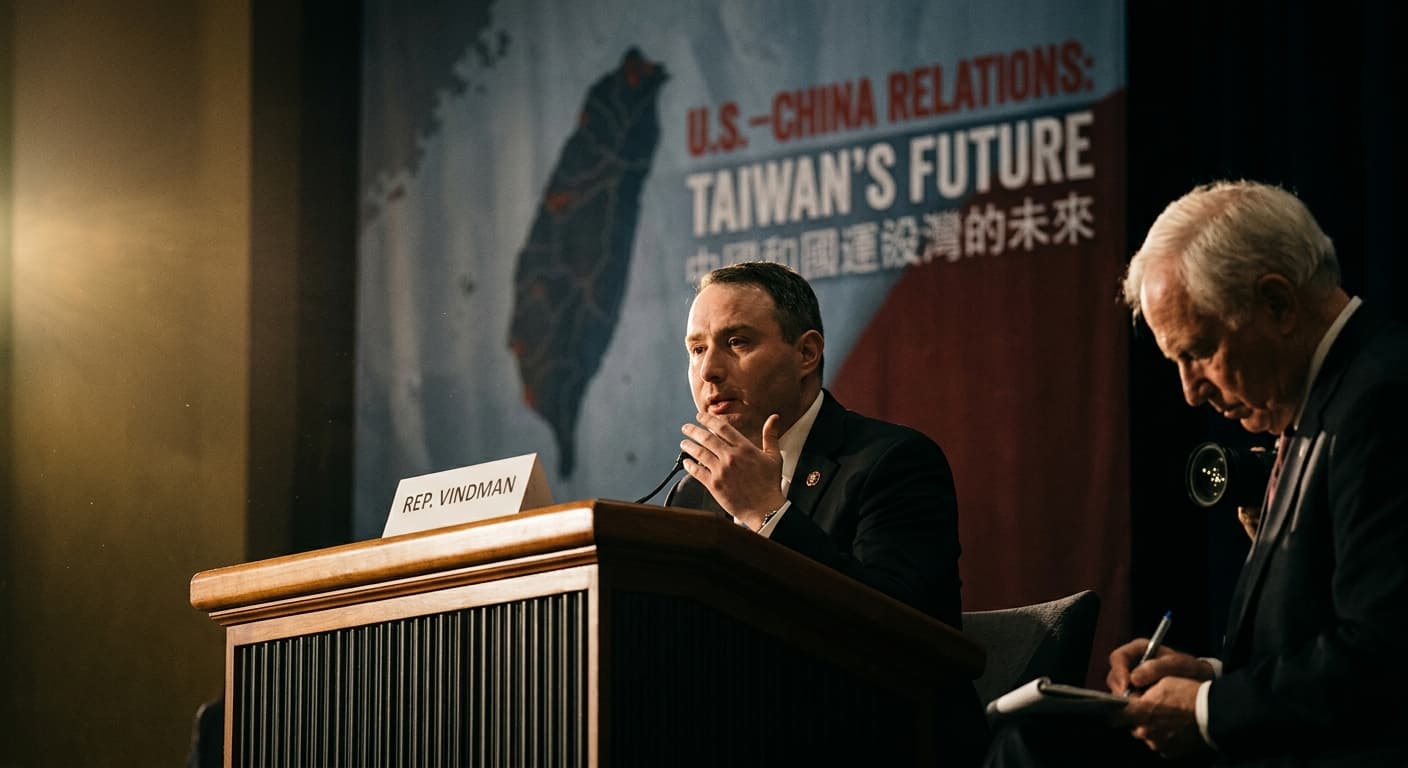
Vindman's Call for U.S. Response to China
Rep. Eugene Vindman highlights the urgent need for a U.S. strategy to counter China's gray-zone tactics against Taiwan, emphasizing economic stakes.
Global
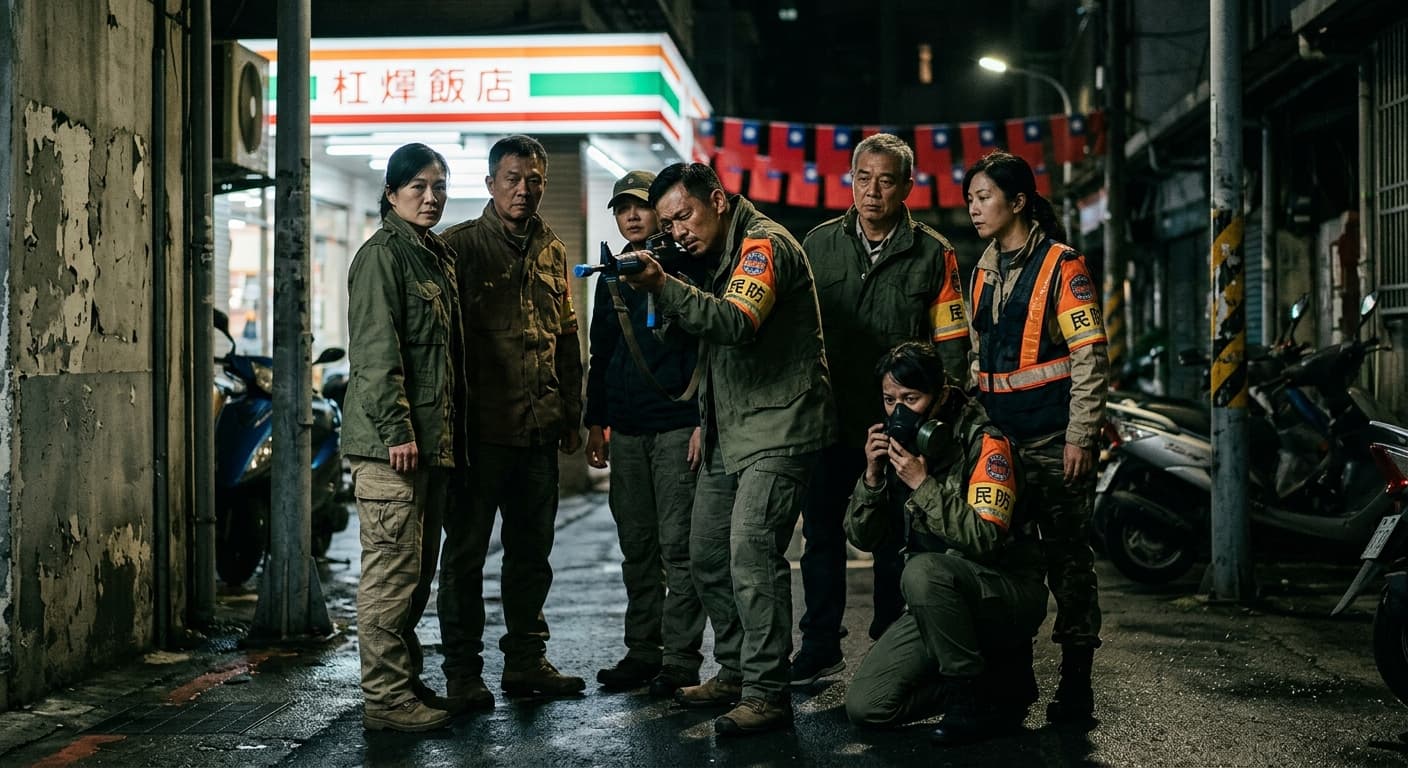
Taiwan's Civil Defense: Deterrence Strategy
Taiwan's National Security Council emphasizes civil defense drills as a deterrent against Chinese military aggression, amid budget cuts and rising tensions.
Global
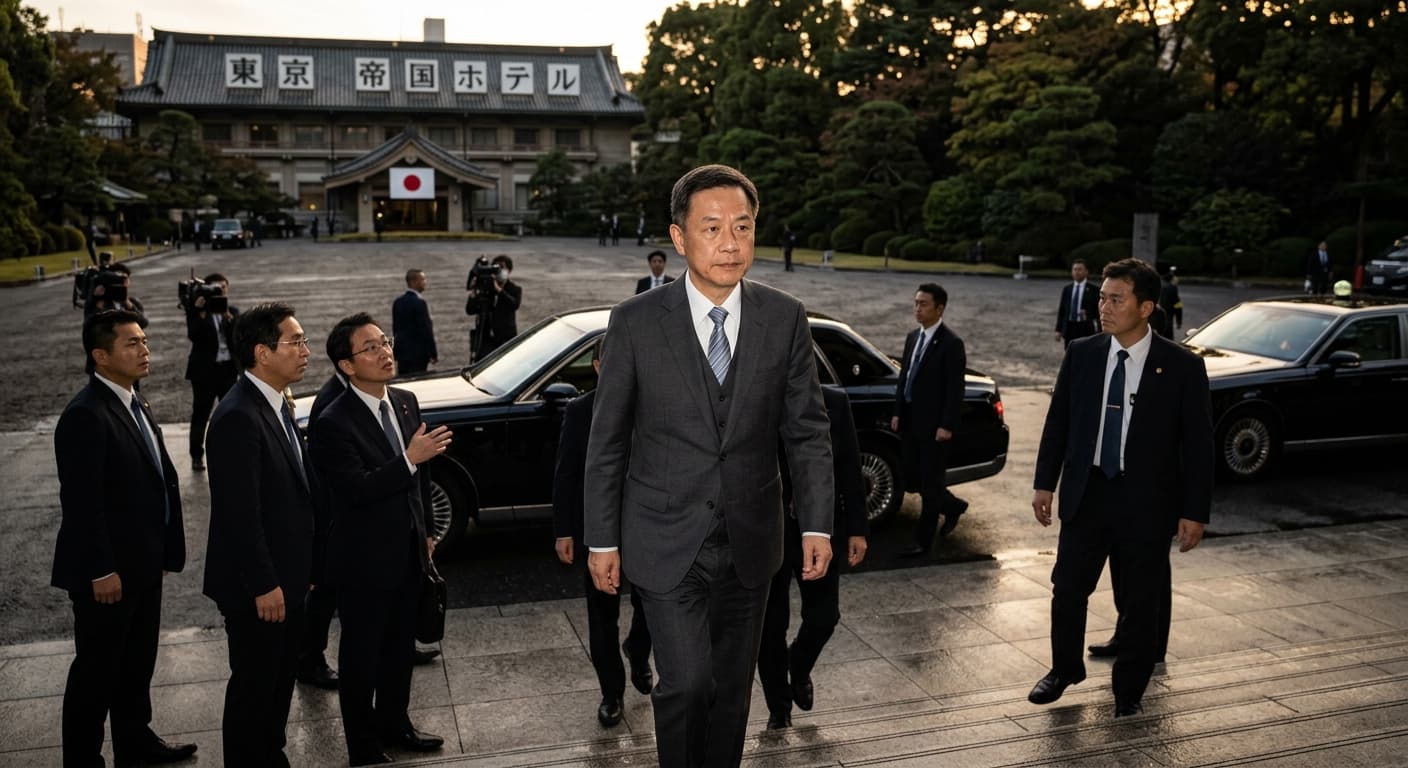
Taiwan Premier's Historic Tokyo Visit
Taiwan Premier Cho Jung-tai's visit to Japan breaks a 54-year precedent, signaling a shift in Indo-Pacific dynamics amid China's coercion.
India
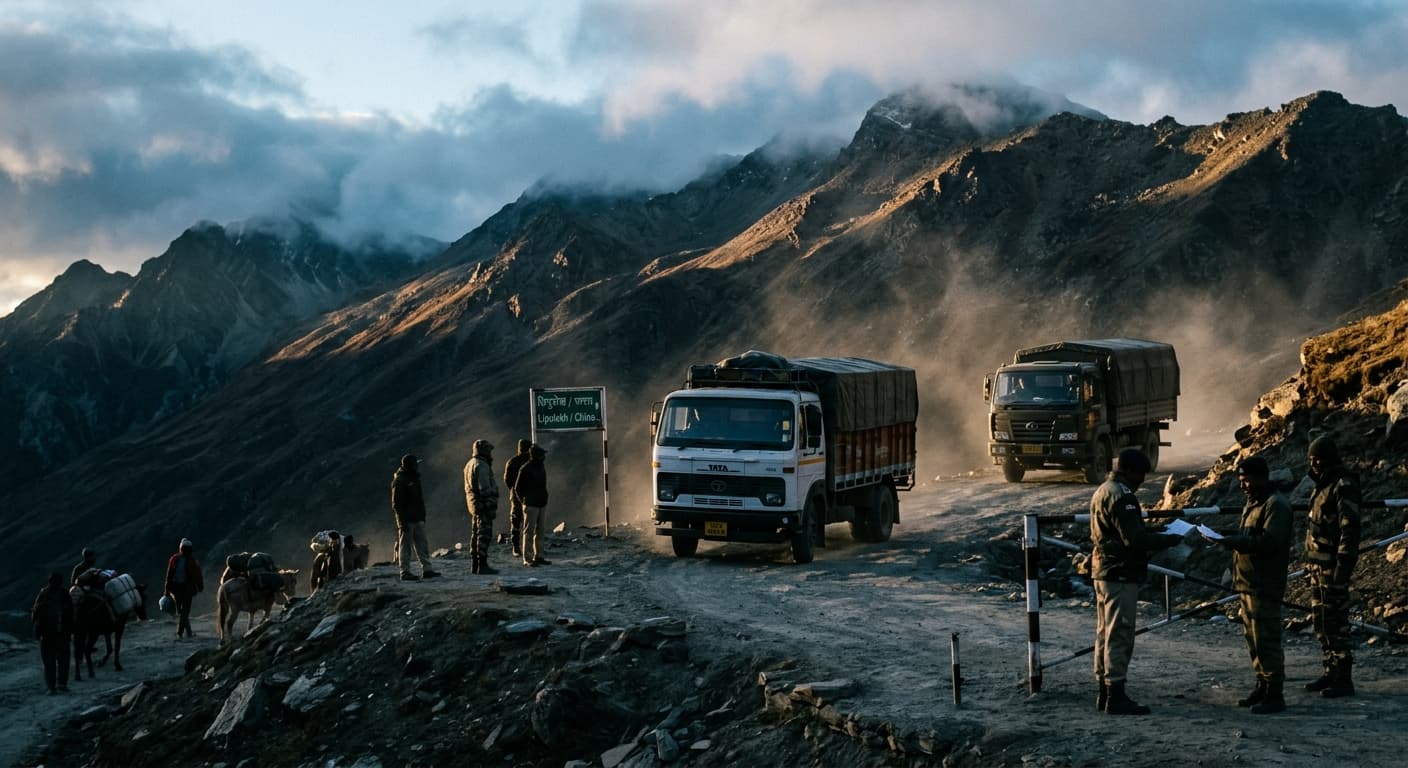
Lipulekh Pass Reopens: India-China Trade
India and China reopen the Lipulekh Pass for cross-border trade, signaling a cautious thaw in relations after years of frozen frontier and diplomatic tensions.