CFTC Chair Targets Derivatives Fraud Crackdow
CFTC's new enforcement strategy targets fraud in derivatives market
Model Diplomat2 min readUnited States

US Treasury Watchdog Pledges Crackdown on Fraud in Derivatives Market
Michael Selig, CFTC chair, signals tougher enforcement against fraud and insider trading ahead of key rule changes.
The Commodity Futures Trading Commission (CFTC), the US regulator overseeing the $70 trillion derivatives market, is sharpening its claws on fraud, insider trading, and market manipulation, according to testimony from Chair Michael Selig before the Senate Agriculture Committee on April 16. Selig pledged a more aggressive enforcement stance, saying the CFTC will "punish wrongdoing wherever we find it," aiming to restore confidence in a market critical to the US financial system.
Why It Matters: Derivatives Under Scrutiny
Derivatives—contracts whose value depends on underlying assets like commodities, currencies, or interest rates—play a central role in global finance but have long been vulnerable to complex fraud schemes. The 2008 financial crisis exposed weaknesses in derivatives regulation, prompting reforms like the Dodd-Frank Act. Yet issues persist, especially in insider trading and market manipulation around these opaque instruments.
Selig’s testimony comes amid increased Congressional pressure for tighter oversight as innovations like crypto derivatives complicate the landscape. The CFTC, historically criticized for under-resourcing and limited reach compared to the SEC, is signaling a shift toward more robust policing. This shift resonates beyond markets: derivatives underpin many real-economy sectors including agriculture, energy, and finance, so fraud here risks spillover effects on prices and investment.
Increased enforcement could curb risks from practices that distort prices unfairly or mislead investors. It also aligns with broader political moves to clamp down on financial malfeasance, tapping into public frustration over the sense that Wall Street insiders evade consequences.
What to Watch Next: Rulemaking and Enforcement Signals
Selig’s testimony underscored imminent rulemaking, with the CFTC preparing tighter rules on transparency, trade reporting, and anti-manipulation provisions. Lawmakers will watch closely to see if these translate into concrete regs or remain aspirational.
Beyond rule tweaks, actual enforcement actions will signal how serious the regulator is. Market participants should look for increased CFTC investigations, penalties, and cooperation with other agencies such as the SEC and DOJ. Given the global nature of derivatives, coordination with international regulators will also be pivotal.
Further, Selig’s pledge may spark innovation dilemmas: tighter controls might limit some product designs or trading strategies, potentially slowing market innovation but ostensibly trading off risk for stability.
Ultimately, this push reflects a regulatory recalibration that shapes not only how derivatives markets operate but also the broader conversation about fairness and transparency in US financial governance. Watch for ripple effects influencing investment strategies, compliance costs, and US capital markets positioning.
For more on derivatives and US political dynamics, see our pages on US Politics and
Global Politics.
US Will Punish Fraud, Insider Trading, Derivatives Regulator Tells Congress
Discover more
Global Politics
US-Iran Tensions Rise
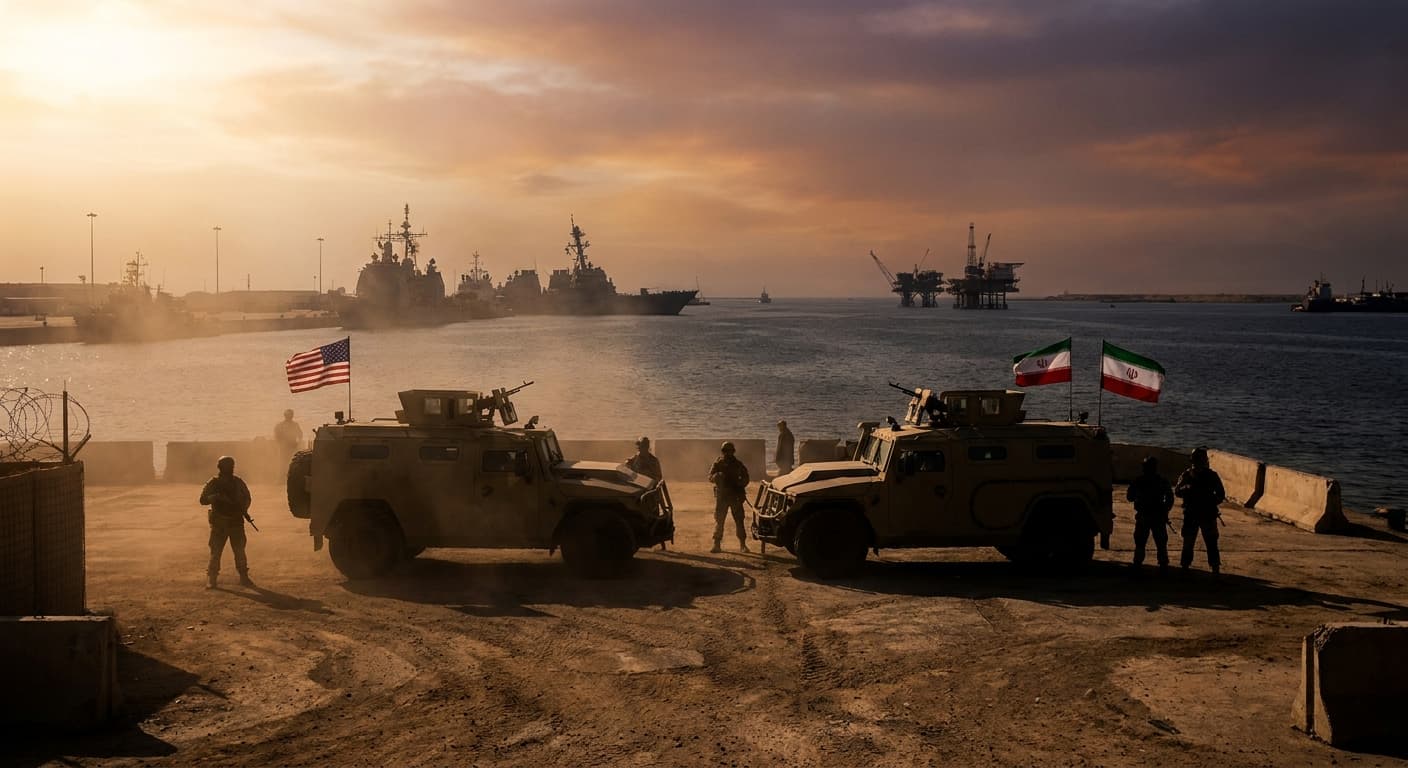
Tensions escalate in the Strait of Hormuz as Iran and the US clash over maritime control, with a ceasefire hinging on a contested MoU paragraph.

US Politics
US Military Funding Request for Iran Looms
The White House Budget Director signals a formal funding request for military operations against Iran, foreshadowing rising tensions and congressional clashes.
Global Politics
GOP Impeaches Mayorkas Over Immigration Fail
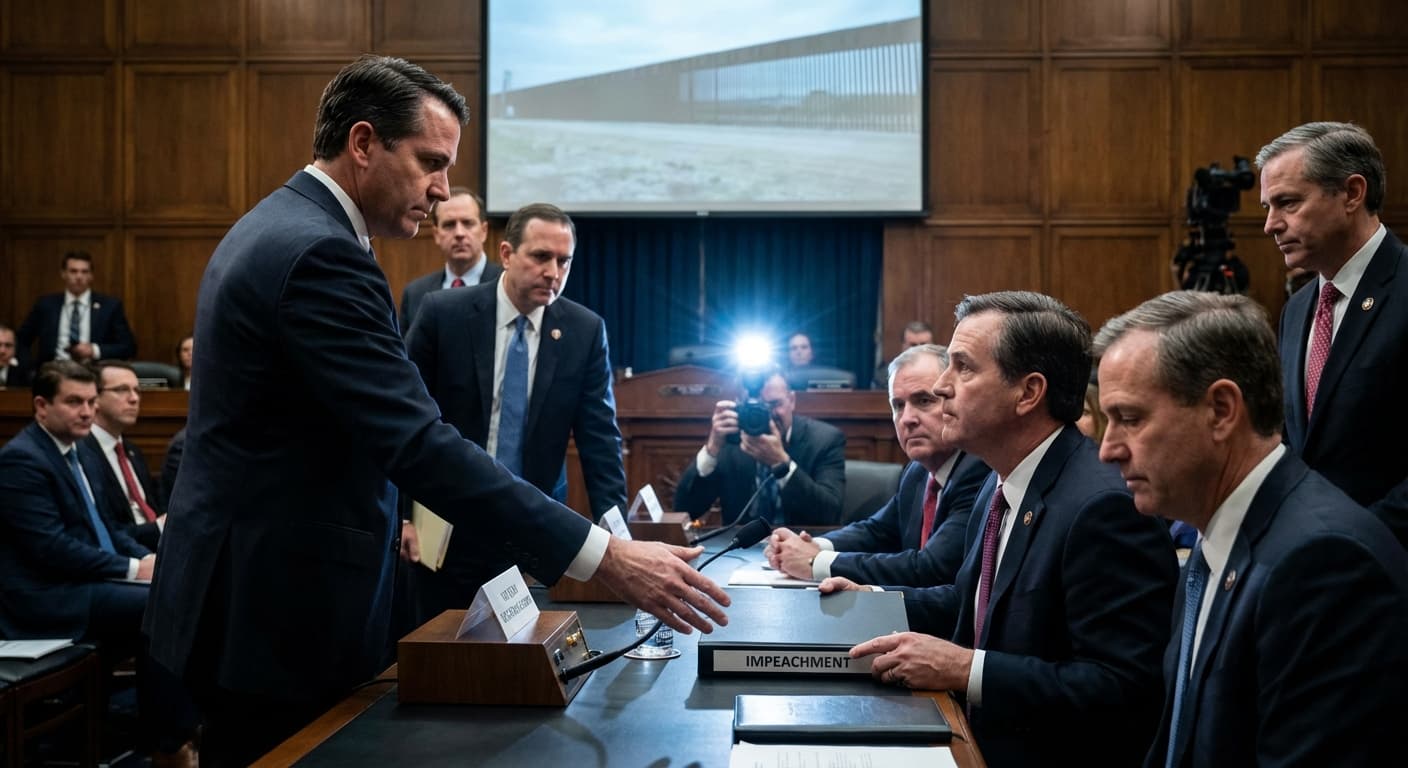
House Republicans push to impeach Secretary Mayorkas over alleged immigration enforcement failures, deepening partisan divides in a bitter border-policy fight.

Conflict & Security
Drone Warfare Killing Aid Workers at Unprec
Over 1,000 humanitarian workers killed in three years as cheap armed drones collapse legal protections. Gaza, Sudan, Ukraine, and DRC see deliberate targeting of aid convoys and hospitals with zero prosecutions.