Centre Pressures Bengal, Tamil Nadu on PM SH
New Delhi leverages school funding to push PM SHRI signing.
Model Diplomat2 min readAsia
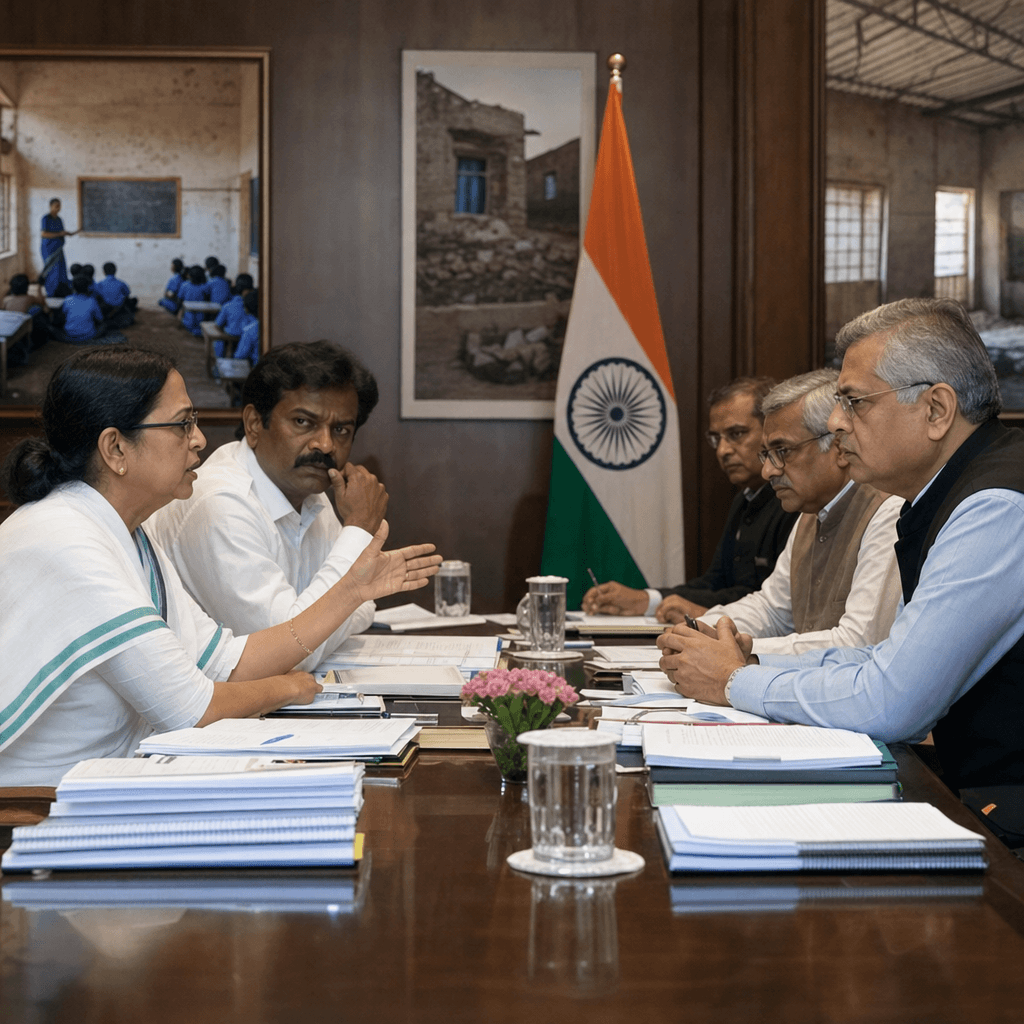
Centre Presses Bengal, Tamil Nadu on PM SHRI
New Delhi is using school funding as leverage: sign PM SHRI, or keep fighting over Samagra Shiksha money and NEP 2020 terms.
The Centre is preparing letters to West Bengal and Tamil Nadu asking them to sign the PM SHRI memorandum of understanding, a move that would tie two big opposition-ruled states more closely to the government’s NEP 2020 education agenda, according to NDTV and
The Economic Times. The states have not signed the MoU; the Centre says that blocks implementation of PM SHRI, while state governments and opposition leaders have argued that education money is being conditioned on acceptance of the Centre’s policy line, including NEP-linked reforms,
NDTV reported.
The leverage is financial, not rhetorical
This is a straight federal power play. PM SHRI is not just a branding exercise; it is meant to develop more than 14,500 government schools as model institutions under NEP 2020, NDTV and
The Week/PTI said. The Centre’s real leverage is the linked flow of school funding. The dispute escalated last year when funds under Samagra Shiksha Abhiyan were paused or withheld from several opposition-ruled states, including Kerala, Tamil Nadu, West Bengal, Delhi and Punjab, after they did not sign the PM SHRI MoU,
The Hindu and
The Hindu reported.
That matters because this is where policy turns into pressure. The Hindu reported that the freeze has hit teacher salaries, RTE reimbursements, student transport and school infrastructure. So while the Centre frames PM SHRI as a quality reform, the states experience it as conditionality: sign up, or lose operating money. For a policymaker, that means the fight is less about school design than about who controls the terms of cooperative federalism. See also
India.
West Bengal may be the easier target
The Centre appears to think the political map has shifted enough to reopen this file. The Economic Times reported officials believe recent election results have improved the odds in West Bengal, while Tamil Nadu remains harder because the DMK has made resistance to the Centre’s education agenda part of its political identity. That asymmetry matters: if one state signs, New Delhi can claim momentum; if Tamil Nadu holds out, the broader federal dispute stays alive.
For West Bengal, the Centre’s calculation is that the cost of resistance is rising. For Tamil Nadu, the cost of capitulation is higher, because any compromise risks being read as acceptance of the Centre’s version of the NEP debate, NDTV and
The Hindu said.
What to watch next
The key decision point is whether the chief secretaries in Kolkata and Chennai respond to the Centre’s letters with negotiations or rejection. If they refuse again, watch for another round of Samagra Shiksha pressure. If one state signs, the Centre will use it to isolate the other. The next move will tell you whether New Delhi is pursuing compromise—or using education funds to force compliance.
Discover more
India
CPI MP Accuses PM Modi of MCC Violations
CPI MP P Sandosh Kumar alleges PM Modi breached the Model Code of Conduct in Tamil Nadu, raising election integrity concerns before the 2026 Assembly polls.
India
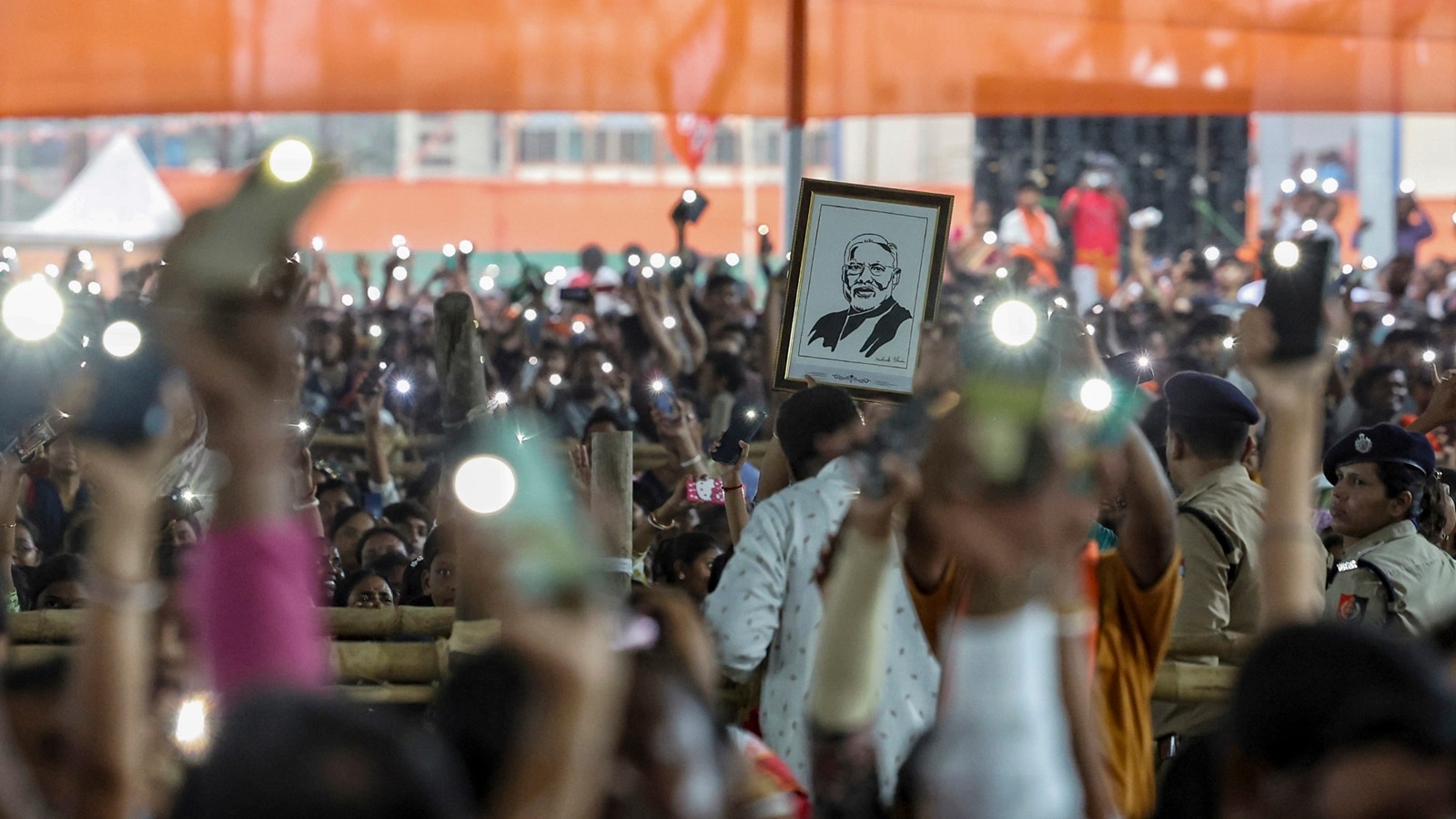
Modi's Women’s Convention in Varanasi
Modi's Varanasi rally frames women's reservation as a national mission, targeting the 2027 Uttar Pradesh elections with a strategic narrative.
India
CPI(M) Calls to Decouple Quota from Delimita
CPI(M) advocates for a 33% women's quota in Lok Sabha by 2029, removing the need for delimitation and census linkage.

Conflict & Security
Drone Warfare Killing Aid Workers at Unprec
Over 1,000 humanitarian workers killed in three years as cheap armed drones collapse legal protections. Gaza, Sudan, Ukraine, and DRC see deliberate targeting of aid convoys and hospitals with zero prosecutions.