Centre boosts PDS control with ₹25,530 crore
Cabinet extends SARTHAK-PDS for better ration delivery
Model Diplomat3 min readAsia
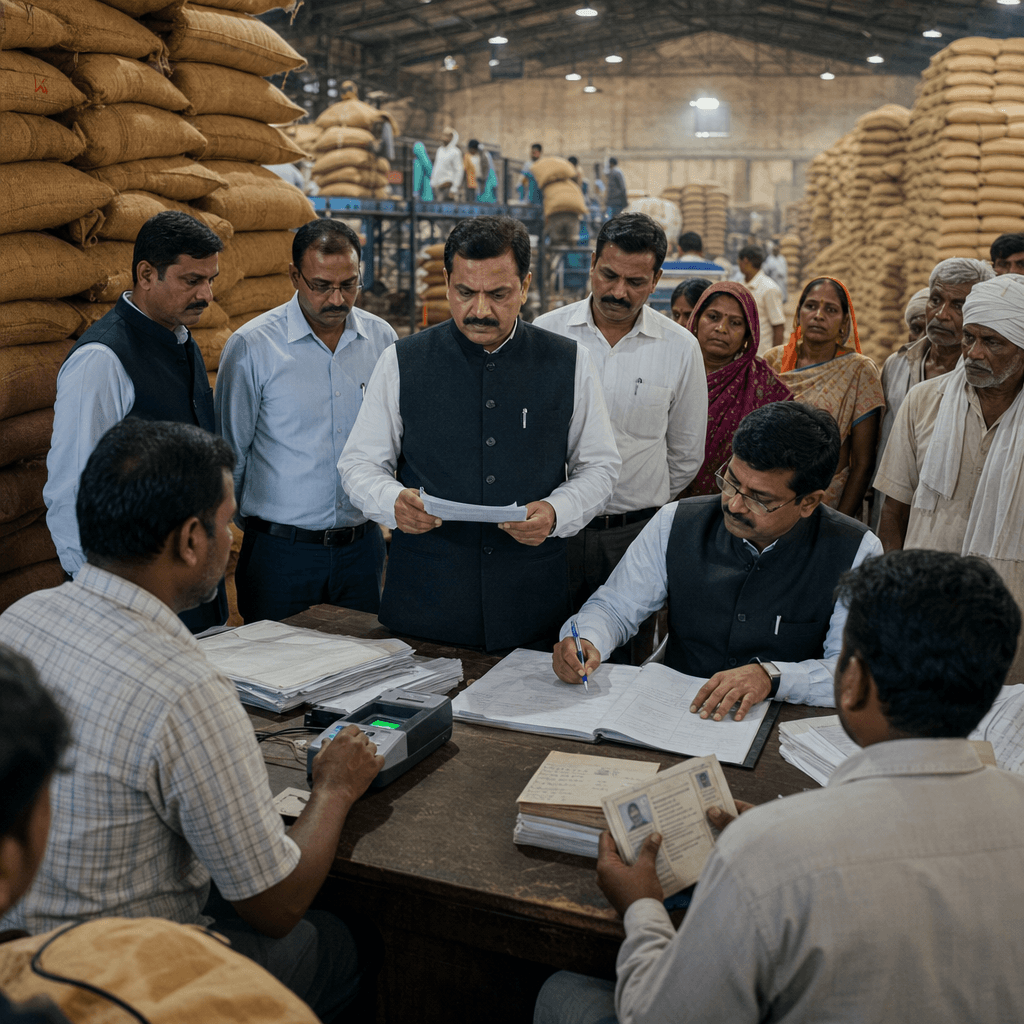
Centre locks in PDS control with ₹25,530 crore push
The Cabinet’s five-year extension of SARTHAK-PDS gives New Delhi more control over ration delivery, while keeping subsidy politics intact and states on the hook for execution.
The Union Cabinet has approved ₹25,530 crore to extend and modernise the SARTHAK-PDS programme until March 2031, merging transport support, dealer margins and technology upgrades into one framework for the Public Distribution System, according to The Indian Express. The message is clear: the Centre is not replacing the ration system, but tightening its command over how foodgrains move, how complaints are handled and how state-level delivery is monitored.
Why this is a power play, not just an IT upgrade
The new scheme folds together two existing strands — financial support for intra-state movement and handling of foodgrains, and the SMART PDS technology programme — into a single administrative architecture, The Indian Express reported. That matters because it gives the Centre a cleaner line of sight over a system that still depends heavily on state governments, transport contractors and fair price shop networks.
The government’s pitch is efficiency: real-time monitoring, unified databases, AI-enabled analytics, grievance redressal and command centres for oversight, as described by The Indian Express. But the deeper political logic is control. By standardising the digital backbone and keeping the current funding structure intact, New Delhi can claim it is improving delivery without reopening the politically sensitive question of who pays for subsidised food.
For state governments, that is a mixed bargain. They keep central assistance for transport and dealer margins, but they also get a more intrusive monitoring stack. For fair price shop dealers, the revised margin norms may cushion some costs, but the direction of travel is unmistakable: more compliance, more traceability, less discretion.
What beneficiaries gain — and what they don’t
The clearest winners are ration-card holders, especially if the reforms do what the Centre says they will do: reduce leakages, shorten transport delays and improve grievance handling. The programme still sits inside the National Food Security Act, which covers 81.35 crore beneficiaries, The Indian Express noted. That scale is why even small efficiency gains matter.
But this is not a shift to cash transfers or voucher-based delivery. It is a modernization of the existing PDS, not a redesign, and that distinction is politically useful. The Centre preserves the welfare guarantee while avoiding a fight over portability, market pricing or direct monetisation. In practice, that keeps the system anchored in physical grain distribution — just with more digital surveillance around it.
The move also fits a wider pattern in India: welfare delivery is increasingly being judged not just by coverage, but by auditability. That is why the Centre is leaning so hard on technology terms like AI, ML, NLP and blockchain in a scheme whose real test is still whether grain shows up on time at the last-mile shop, as
The New Indian Express had already flagged in January when it reported the Centre was exploring voucher-based PDS reforms.
What to watch next
Watch for the implementation rules: which states adopt the new digital architecture first, how quickly the State Command Control Centres are built, and whether revised transport and dealer-margin norms are enough to keep the supply chain compliant. Also watch for the next food-inflation scare. If monsoon weakness or price spikes hit, the PDS becomes even more central to political stability — and this scheme becomes less about reform than about keeping the system from buckling.
Discover more
India
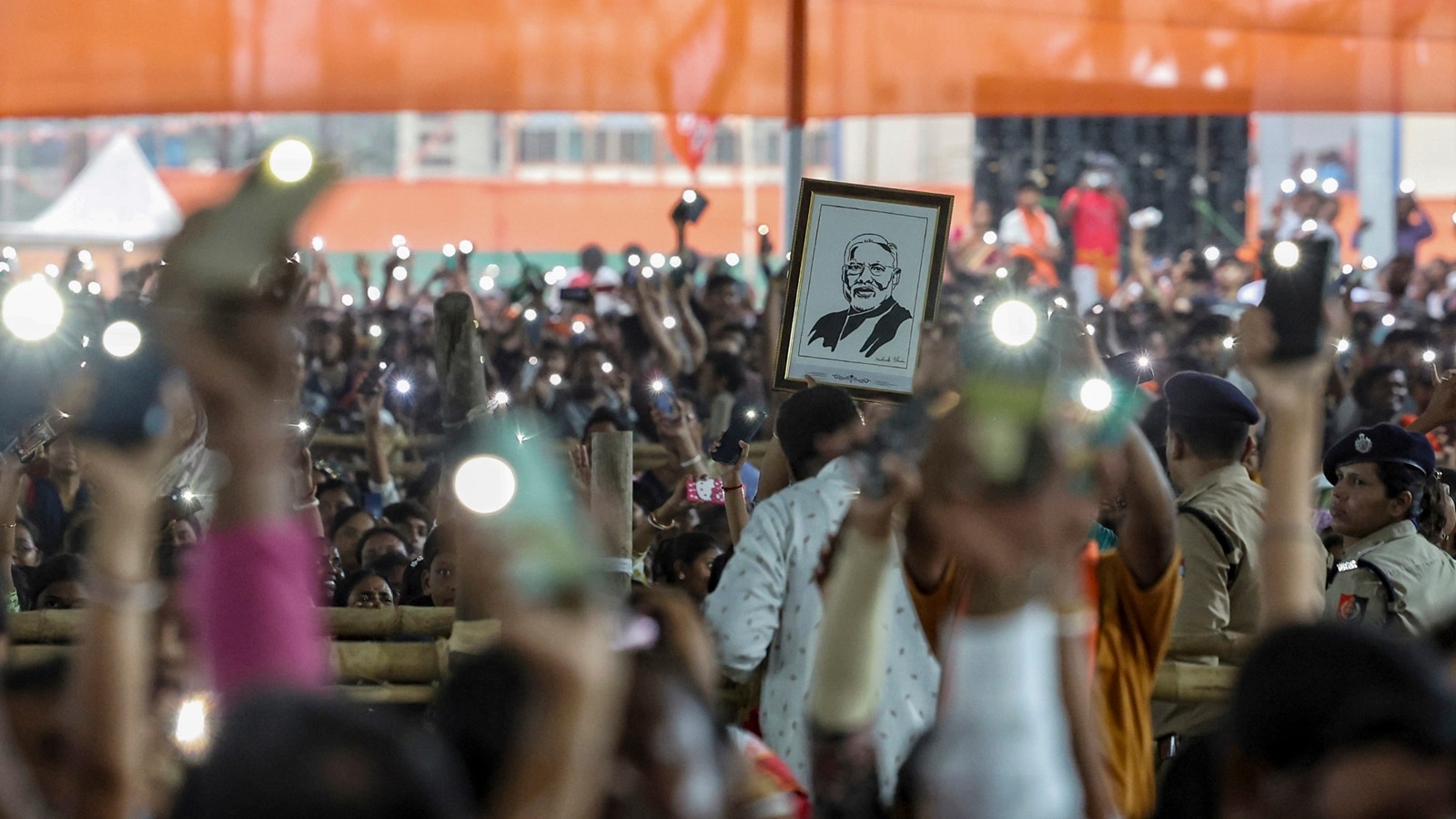
Modi's Women’s Convention in Varanasi
Modi's Varanasi rally frames women's reservation as a national mission, targeting the 2027 Uttar Pradesh elections with a strategic narrative.
India
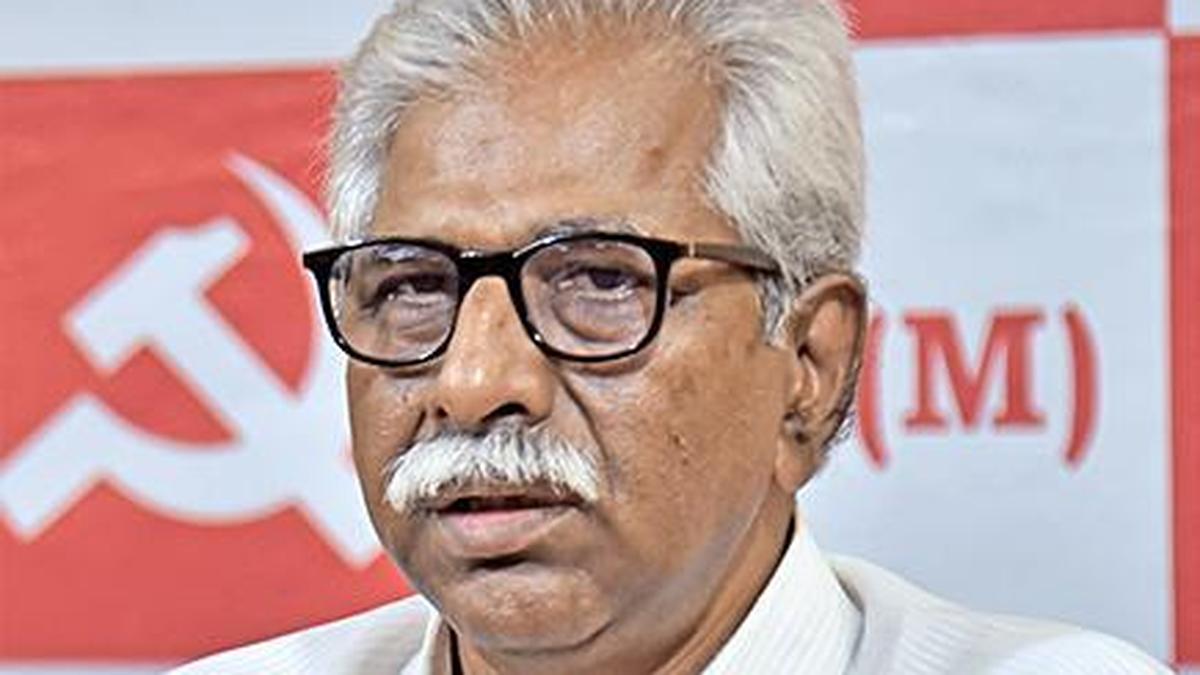
CPI(M) Calls to Decouple Quota from Delimita
CPI(M) advocates for a 33% women's quota in Lok Sabha by 2029, removing the need for delimitation and census linkage.

India
India-South Korea $50B Trade Expansion Plan
India and South Korea target $50 billion in bilateral trade by 2030, focusing on industrial cooperation and strategic alignment amid US pressures.

Conflict & Security
Drone Warfare Killing Aid Workers at Unprec
Over 1,000 humanitarian workers killed in three years as cheap armed drones collapse legal protections. Gaza, Sudan, Ukraine, and DRC see deliberate targeting of aid convoys and hospitals with zero prosecutions.