Canada's Khalistan File
India uses Canadian spy report to push for action on Khalistani groups.
Model Diplomat3 min readNorth America
Canada’s Khalistan File Puts India Back on the Offense
India is using Canada’s own spy report to demand action on Khalistani groups, while Ottawa is still accusing New Delhi of interference.
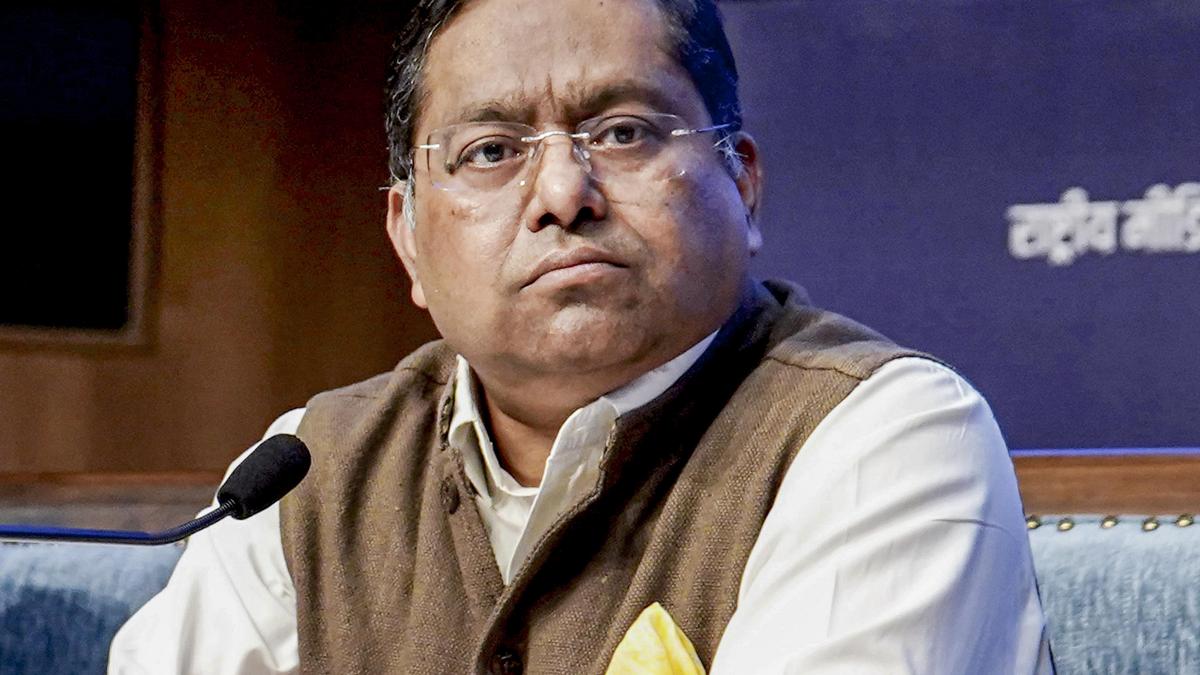
India on Thursday urged Canada to act against “anti-India extremist elements,” with MEA spokesperson Randhir Jaiswal pointing to a Canadian intelligence assessment that says Canada-based Khalistani extremists remain a national security threat (The Hindu). The sharper point is that New Delhi is now turning Ottawa’s own security language back on it: the same CSIS report also names India among the main foreign-interference actors in Canada (
The Globe and Mail).
India is trying to own the framing
This is not just another diplomatic protest. India is trying to recast the issue as a Canadian law-and-order failure, not a bilateral political dispute. Jaiswal said India has repeatedly raised concerns about “glorification of violence,” threats to diplomats and leaders, vandalism of places of worship, and secessionist campaigning through so-called referendums (The Hindu). That matters because it gives New Delhi a cleaner public argument: if CSIS says Canada-based Khalistani extremist groups are a threat to Canada too, Ottawa cannot easily dismiss Indian complaints as purely external pressure (
The Hindu;
The Globe and Mail).
The leverage is obvious. India wants Canada to police diaspora activism more aggressively and stop permitting its territory to be used, in India’s words, as a “safe haven” for separatists (The Hindu). Ottawa, meanwhile, is under pressure to show it takes foreign interference seriously without looking as if it is conceding to Indian demands.
Canada is stuck between two security claims
The bilateral reset is already fragile. CBC reported in June 2025 that Canada and India had agreed to reinstate top diplomats even as CSIS warned that India remained a foreign-interference concern (CBC News). By late 2025, CBC said both governments were still trying to revive ties, but the security files had not gone away (
CBC News).
That creates a narrow lane for Ottawa. Move too slowly, and it looks weak on extremism and political violence. Move too hard, and it risks reopening the diplomatic rupture that followed the 2023 killing of Hardeep Singh Nijjar, which Canada linked to Indian agents and India denied (CBC News;
The Globe and Mail). For the broader bilateral picture, see
Global Politics.
The deeper problem is that each side now treats the other’s security claims as proof of bad faith. India says Canada tolerates extremism. Canada says India runs coercive influence operations against critics and diaspora communities (The Globe and Mail). Once both claims sit inside official intelligence reporting, neither government can easily climb down.
What to watch next
Watch for whether Ottawa responds with actual enforcement: investigations into fundraising, hate crimes, threats, or violent mobilization, not just statements. Also watch whether New Delhi keeps pressing the CSIS report as leverage in every bilateral contact. The next real test is not rhetoric; it is whether Canada treats the file as a domestic security issue or a diplomatic nuisance. That decision will shape the next phase of the India-Canada thaw — or the next freeze.
Discover more
India
UN Expert Albanese: India Violates Law
UN Rapporteur Francesca Albanese claims India is breaching international law, raising human rights issues in Kashmir and beyond.

India
India-South Korea $50B Trade Expansion Plan
India and South Korea target $50 billion in trade, enhancing economic cooperation amid shifting global dynamics.
India
CPI(M) Calls to Decouple Quota from Delimita
CPI(M) demands the Indian government to separate quota policies from delimitation to enhance representation for marginalized communities.
Global Politics
Iran Releases $12B Frozen Assets Deal
Iran secures $12 billion in frozen assets as US lifts oil sanctions under new deal.