Bombay HC Orders Maharashtra to Fund NGOs
Court mandates financial aid for NGO-run children's homes.
Model Diplomat3 min readAsia
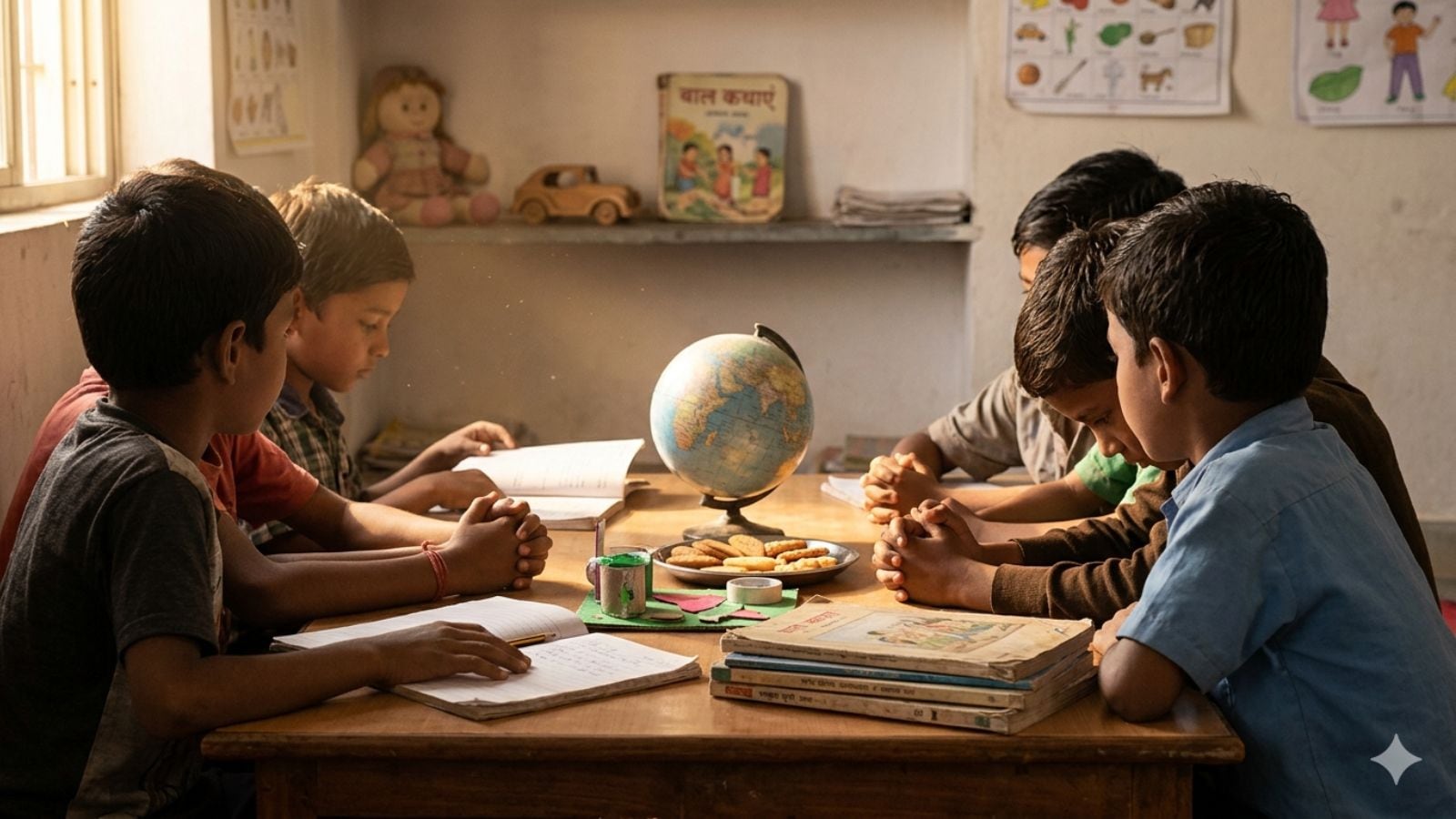
Bombay HC Forces Maharashtra to Fund NGO Child Homes
The court said Maharashtra cannot starve NGO-run children’s homes of grants while funding other welfare schemes, and gave it six months to act.
The Aurangabad bench of the Bombay High Court has turned a staffing dispute into a budgetary rebuke. It held that Maharashtra cannot “without any reasonable justification, deny or delay financial aid” to institutions for children in need of care and protection while expanding schemes such as Ladki Bahin Yojana, and it ordered the state to frame a salary-grant policy for NGO-run homes within six months (Indian Express).
The leverage point
This is not just about arrears. The petitioners were employees of unaided voluntary organisations — superintendents, counsellors, clerks, caretakers and cooks — who said the state was using the Juvenile Justice Act to recognize these homes without paying the people who keep them running (Indian Express). The bench framed the issue under Article 14’s reasonableness test, which matters because it turns a welfare complaint into a constitutional one: once the state funds some child-care institutions and excludes others in similar positions, it has to justify the line.
The government’s defense was administrative failure. It said surprise checks found many institutions without students, staff or basic functionality, so recognition alone could not entitle them to salary grants (Indian Express). The court did not accept a blanket denial. Instead, it told Maharashtra to identify at least one children’s home run by a voluntary organisation in each district with good capacity, infrastructure and competent staff, then build policy around that network (
Indian Express).
Why this matters beyond one case
The beneficiaries are obvious: NGO-run homes that depend on public grants, and the children who rely on them. The losers are the state departments that have been able to leave the system in partial limbo — recognizing institutions under the Juvenile Justice framework, but not fully funding the staff who deliver care, education and rehabilitation (Indian Express).
That is also why the court’s reference to Ladki Bahin Yojana landed. It signaled that Maharashtra’s welfare priorities are now being measured not only by how many schemes it announces, but by whether the institutions handling vulnerable children are actually paid. In India, that is often where the real power balance sits: between visible cash transfers and the less glamorous machinery that keeps social policy functioning.
The ruling also fits a broader Bombay High Court pattern on the Juvenile Justice Act. This week, the court upheld the 2021 amendment shifting adoption orders from courts to district collectors, saying the change was meant to reduce delay and that executive officers can be trained to handle child-welfare functions (The Hindu;
LiveLaw). Read together, the two rulings show the court is less interested in institutional turf than in whether the child-protection system works on the ground.
What to watch next
The six-month deadline is the next decision point. Watch whether Maharashtra appeals, seeks a stay, or produces a district-wise policy that actually names functioning homes and salary lines. The real test is not the language of compliance but whether grants begin flowing to operating homes — and whether the state uses this order to rebuild the NGO child-care network rather than paper over it.
Discover more
India
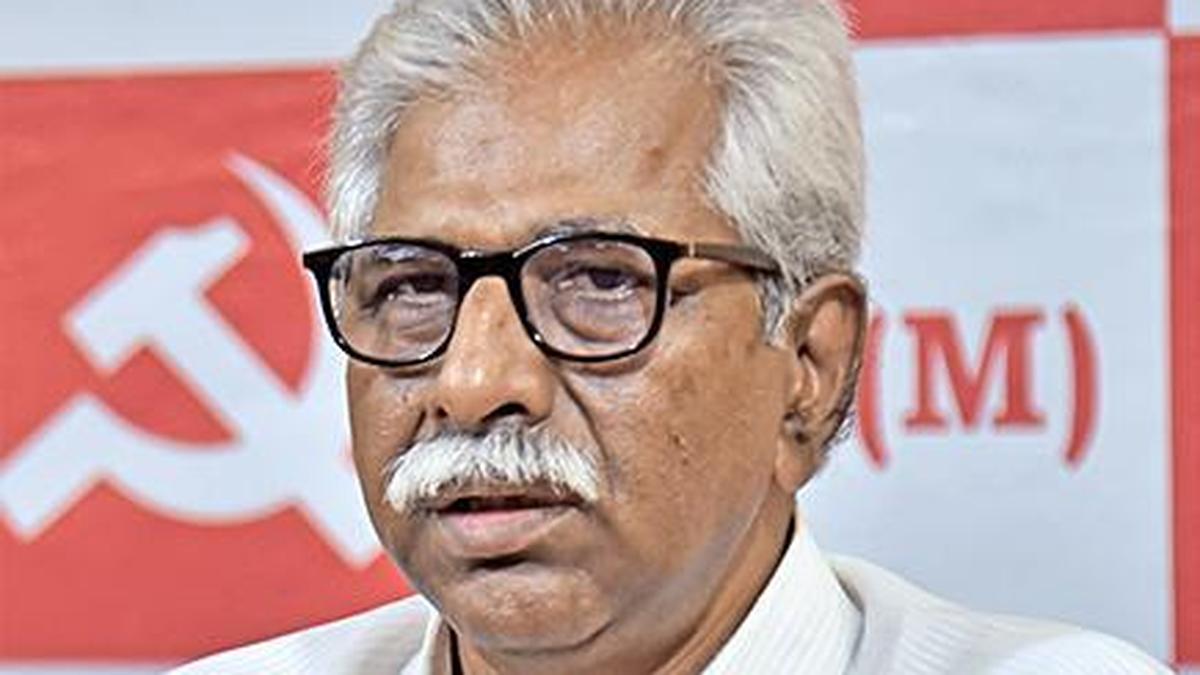
CPI(M) Calls to Decouple Quota from Delimita
CPI(M) advocates for a 33% women's quota in Lok Sabha by 2029, removing the need for delimitation and census linkage.
India
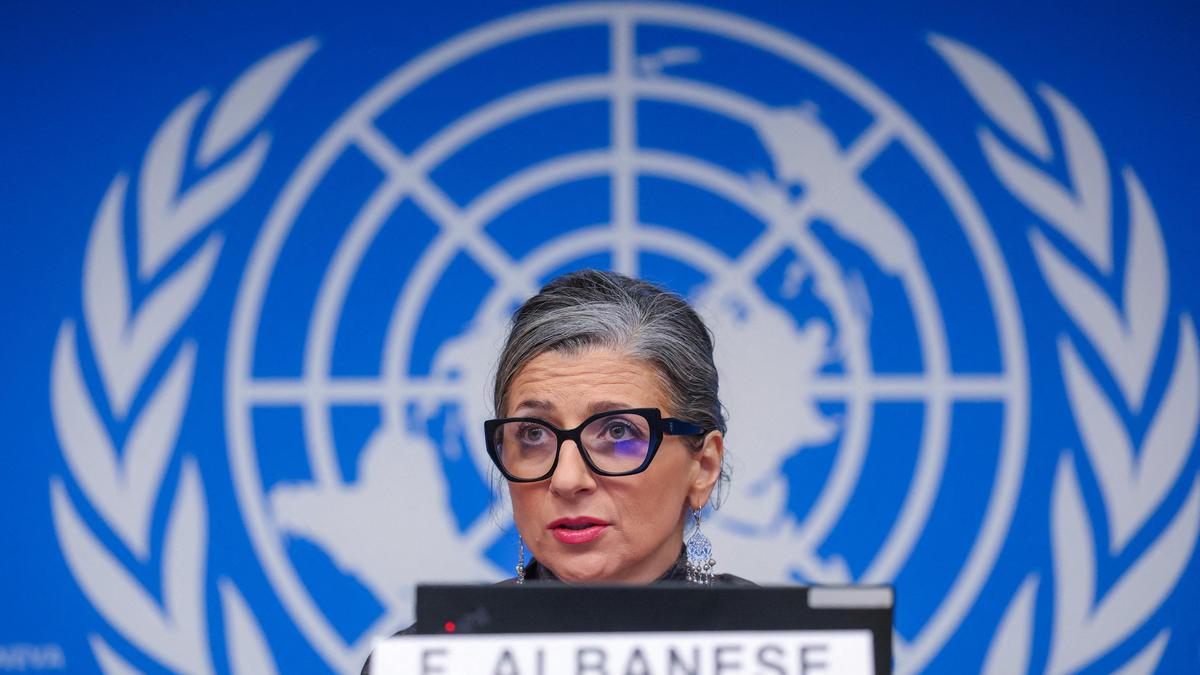
UN Expert Albanese: India Violates Law
UN Rapporteur Francesca Albanese accuses India of breaching international law, spotlighting human rights concerns in Kashmir and prompting diplomatic pushback.
India
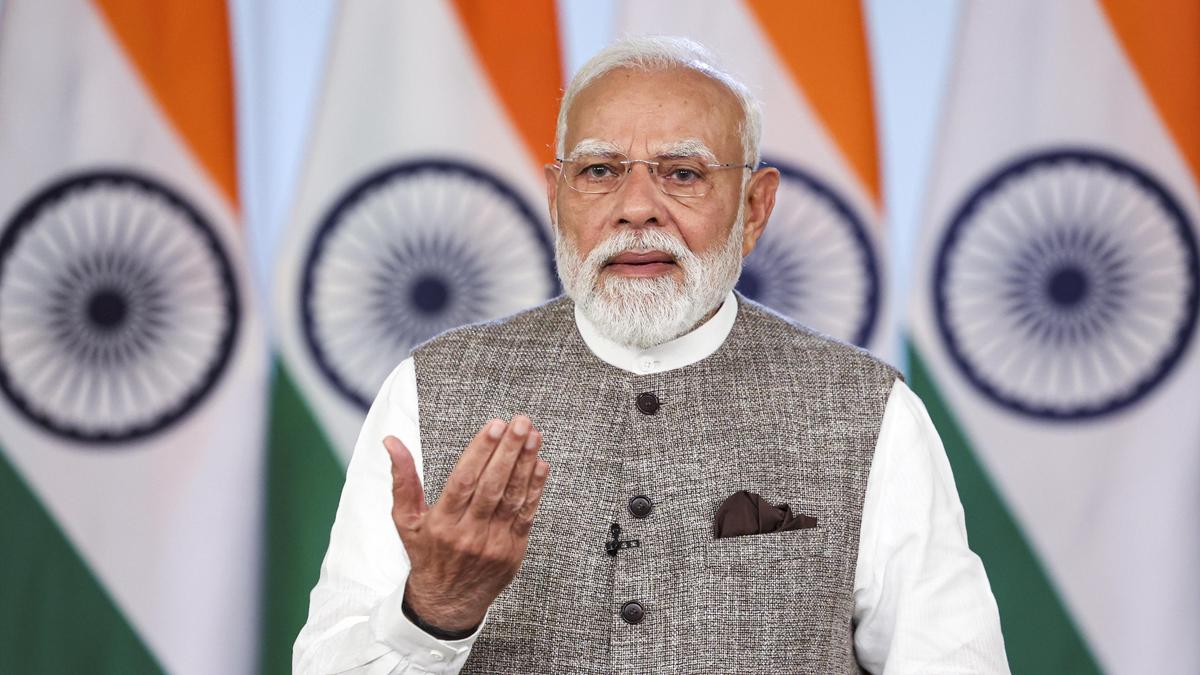
700 Activists Accuse PM Modi of MCC Breach
Over 700 activists allege PM Modi breached election code with a televised address attacking opposition parties just before state elections.

Conflict & Security
Drone Warfare Killing Aid Workers at Unprec
Over 1,000 humanitarian workers killed in three years as cheap armed drones collapse legal protections. Gaza, Sudan, Ukraine, and DRC see deliberate targeting of aid convoys and hospitals with zero prosecutions.