BJP's Women's Reservation Bill Defeated
Opposition exposes BJP's delimitation rider in Lok Sabha defeat.
Model Diplomat3 min readIndia
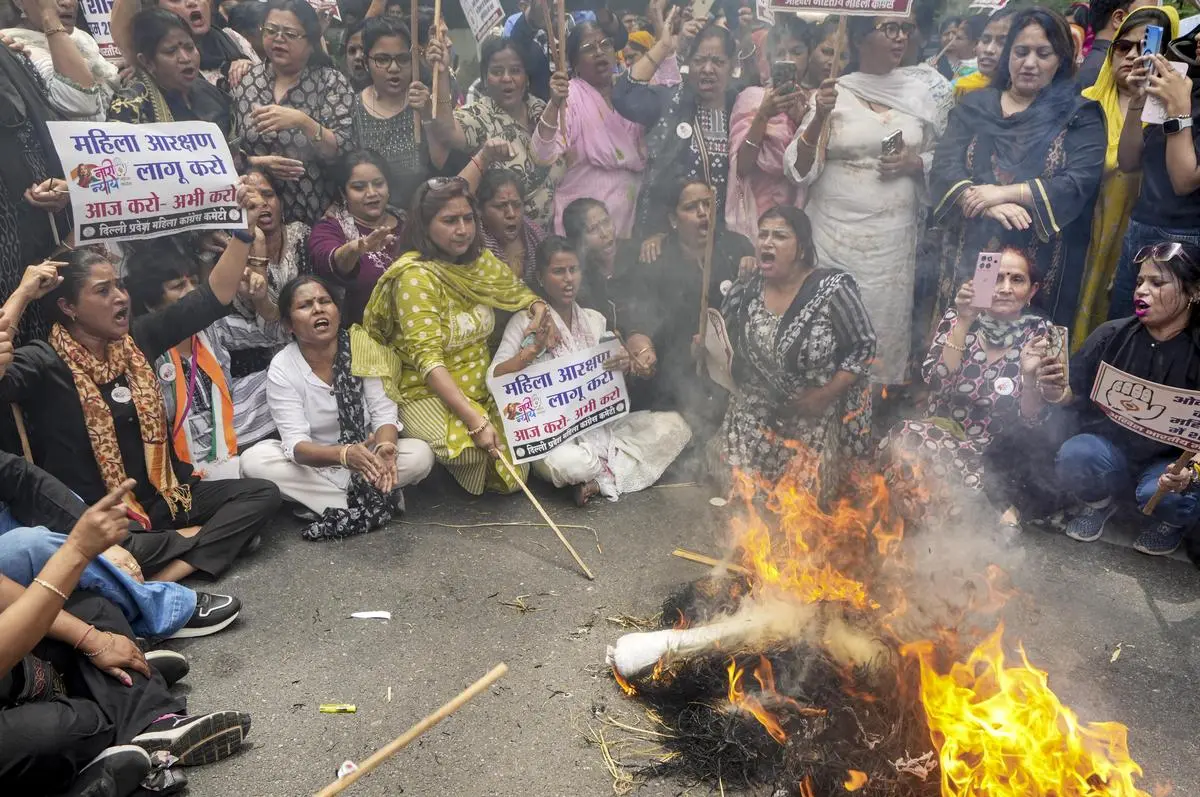
BJP's Women's Quota Gambit Collapses in Lok Sabha — but the Campaign Has Just Begun
The opposition defeated BJP's women's reservation push by exposing its delimitation rider. Now the BJP is weaponizing that defeat electorally.
Both the Constitution (131st Amendment) Bill and the accompanying Delimitation Bill were defeated in the Lok Sabha during a special session in April 2026, united opposition parties successfully framing the legislation not as a gender-equity measure, but as a demographic power grab dressed in feminist language. The BJP's proposal would have expanded the Lok Sabha from 543 to 816 seats and reserved 273 of those new seats for women — operationalizing the Nari Shakti Vandan Adhiniyam (2023) by the 2029 elections. The operative mechanism: a fresh delimitation exercise based on the 2011 Census, which critics correctly identified as the bill's real political payload.
The Delimitation Trap
The opposition's read is hard to dispute on the numbers. A 2011 Census-based delimitation would shift parliamentary weight north — toward Hindi-heartland states that recorded higher population growth — and away from southern states that followed family planning policy faithfully. The Hindu's data analysis shows the Lok Sabha could have grown to as many as 850 seats, with southern states and the Northeast absorbing a relative loss in share. DMK called it an "assault on federalism." Kerala's opposition bloc, Congress's Gaurav Gogoi, and CPI(M)'s Brinda Karat all landed on the same demand: delink women's reservation from delimitation entirely and implement the 33% quota within the existing 543-seat house, now.
That is where BJP's structural bind sits. Implementing the quota without seat expansion means existing male MPs lose their seats. The expansion-plus-reservation model protects incumbents — but it requires delimitation, and delimitation, as every party south of the Vindhyas understands, is existential. BJP holds the leverage in northern states and is willing to spend it. The opposition coalition held because its losses from delimitation are concrete and immediate; its gains from women's reservation are diffuse and delayed.
BJP's Electoral Judo
Losing the vote was not the BJP's worst outcome — and party leadership knows it. BJP national president Nitin Nabin immediately announced a campaign to "expose the opposition's anti-woman mindset." BJP Mahila Morcha held torch rallies across constituencies, including a major demonstration in Vijayawada on April 27, framing the bill's defeat as Congress and its allies blocking women from Parliament. J.P. Nadda convened NDA leadership to formalize a street-level rollout. This is the BJP converting a legislative defeat into a voter mobilization asset ahead of upcoming state elections in West Bengal and Tamil Nadu — precisely the states where delimitation anxiety runs hottest and where BJP needs to close the gap.
The cynicism cuts both ways. The opposition's position — support women's reservation, reject this specific mechanism — is constitutionally coherent but politically awkward to explain in a 30-second campaign ad. BJP is betting it doesn't have to be explained at all.
For deeper context on the structural forces shaping this fight, see India Politics and the broader
International coverage of gender-quota debates globally.
What to Watch Next
Three signals matter: First, whether the government reintroduces a stripped-down bill — reservation only, no delimitation — which would call the opposition's bluff but surrender BJP's demographic ambitions. Second, BJP's performance in the West Bengal and Tamil Nadu state elections, which will reveal whether the "who blocked women's reservation" frame is moving votes. Third, any move toward a fresh national census (India's last was 2011), which remains the prerequisite for any future delimitation regardless of which party frames it.
The women's quota is real policy. The delimitation rider is the actual prize. Both parties understand this — and only one of them is saying it out loud.
Discover more
India
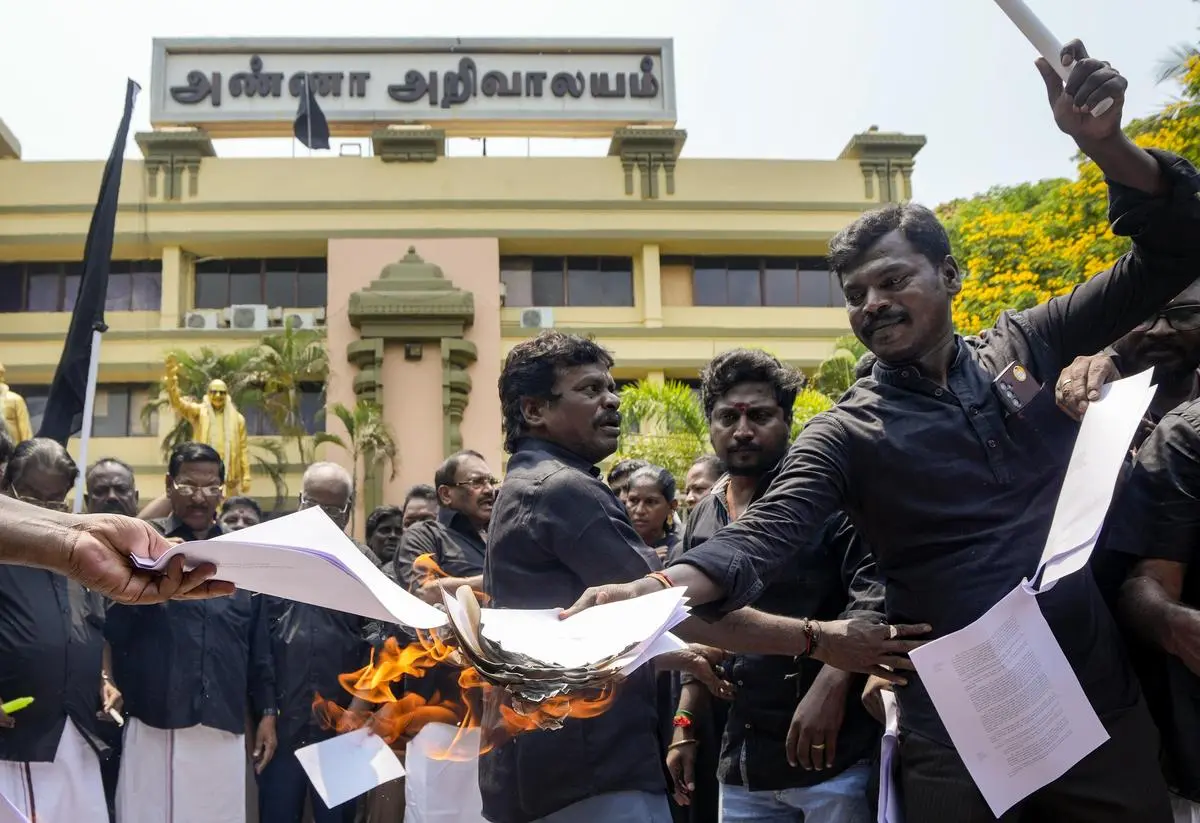
Women’s Reservation Bill 2026
The Constitution (131st Amendment) Bill, 2026 was defeated in Lok Sabha, revealing deeper political conflicts over women's reservation and delimitation.
India
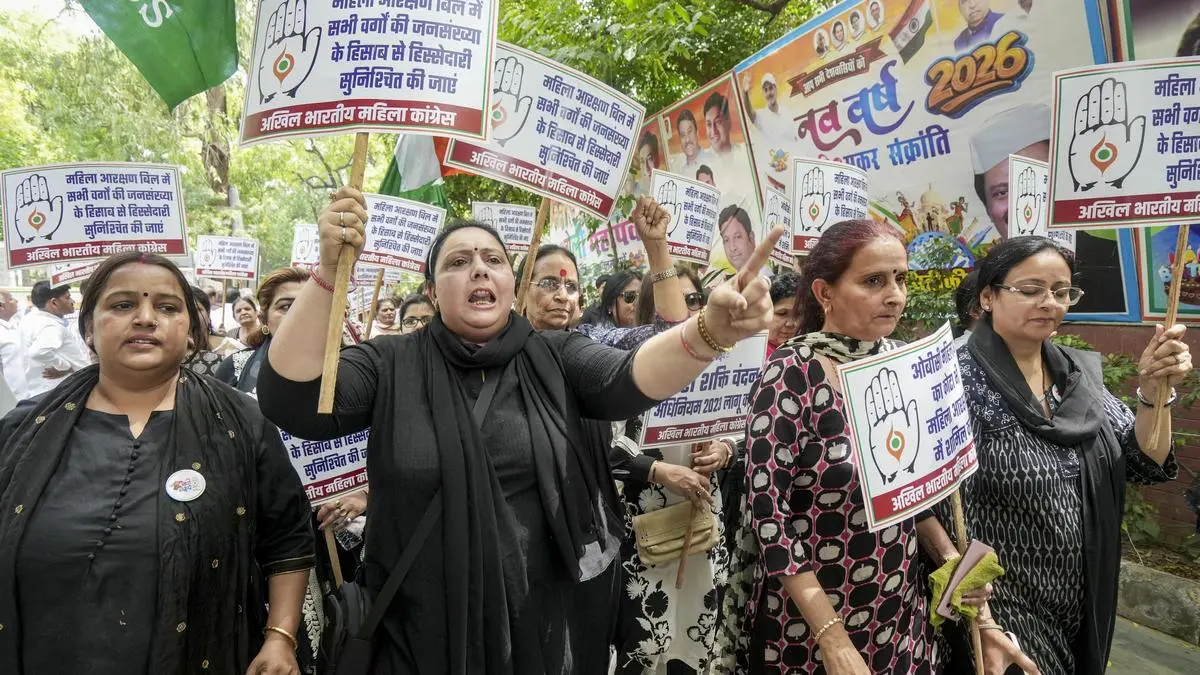
BJP's Misunderstanding of Women's Quota Needs
The BJP's linking of the Women Reservation Bill to delimitation risks delaying women's empowerment in India, misreading the aspirations of female voters.

Conflict & Security
Drone Warfare Killing Aid Workers at Unprec
Over 1,000 humanitarian workers killed in three years as cheap armed drones collapse legal protections. Gaza, Sudan, Ukraine, and DRC see deliberate targeting of aid convoys and hospitals with zero prosecutions.

Global
World Normalises Taliban as Afghan Women Eras
UN data shows Afghan women erased from public life as Russia recognises the Taliban, EU hosts officials in Brussels, and ICC warrants for gender persecution go unenforced.