BJP's Strategy in Punjab
Exploring the fractures within AAP as BJP targets Punjab seats.
Model Diplomat3 min readPunjab
Good — I now have enough context from the search results to build a strong picture. The Sahney interview originates from the Indian Express, and search results reveal a broader AAP implosion in Punjab: Raghav Chadha ousted as Rajya Sabha deputy leader in April 2026, ED raids on AAP MP Ashok Mittal, corruption allegations against minister Laljit Singh Bhullar, and BJP's explicit solo-Punjab strategy targeting 117 seats in 2027. Let me now write the analysis.
AAP's Punjab Bloc Fractures as BJP Eyes 2027 Landslide
Seven AAP Rajya Sabha MPs have defected to BJP. Vikramjit Sahney's interview reveals the fault lines — and what BJP is actually buying.
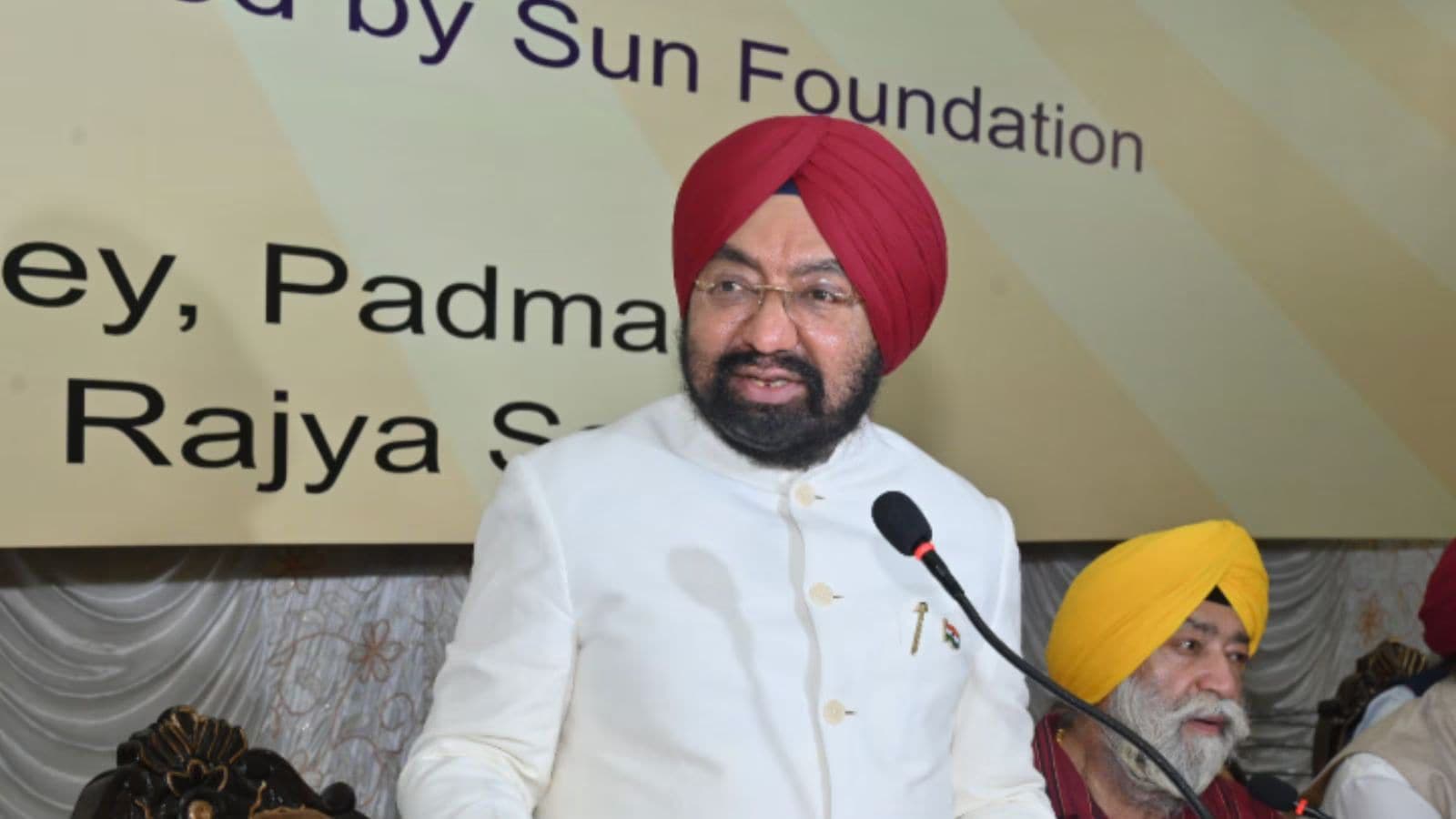
The defection of seven AAP MPs to BJP, articulated most publicly by Rajya Sabha MP Vikramjit Sahney in an Indian Express interview, is less a political earthquake than the visible surface of a slow-moving structural collapse. Sahney's framing — "Punjab is a food bowl, not a begging bowl" — is a direct indictment of Chief Minister Bhagwant Mann's governance record and signals that AAP's Punjab MPs no longer see the party as a viable vehicle for the 2027 Assembly elections.
What BJP Is Actually Buying
BJP's absorption of these defectors is a direct execution of its declared Punjab solo strategy. Frontline reported that after severing its alliance with the Shiromani Akali Dal following the 2020–21 farmers' protests, BJP has been methodically building toward contesting all 117 Punjab Assembly seats independently — a goal reinforced by its 18.5% vote share in the 2024 Lok Sabha elections. Each defecting AAP MP brings a donor network, caste constituency, and local ground organisation that BJP cannot organically replicate in time. Sahney himself represents the trading and business community in Punjab — precisely the vote bank BJP needs to cut into AAP's urban flank.
For Arvind Kejriwal, the defections couldn't come at a worse time. The party is simultaneously fighting the ED raid on AAP MP Ashok Mittal's business premises, police action over the alleged suicide of a state official linked to minister Laljit Singh Bhullar, and the public fallout with Raghav Chadha, who was stripped of his Rajya Sabha deputy leadership in April 2026. The message from the party's own MPs, on the record, is that AAP's Punjab leadership has neither vision nor delivery.
Who Wins, Who Bleeds
BJP wins institutional credibility in Punjab without fighting for it — absorbing experienced parliamentarians who can articulate rural distress and agrarian economics in a language that resonates in the state. PM Modi's party gains the optics of a broad tent at precisely the moment it needs to demonstrate it can govern Punjab, not just contest it.
AAP loses more than seven votes. It loses the narrative that it is Punjab's reform party. Bhagwant Mann has bet his political survival on agricultural investment and welfare spending, but with central funds contested — Sahney's "begging bowl" jab directly references Mann's repeated disputes with Delhi over central allocations — the CM has little room to maneuver heading into the campaign cycle.
Congress is the unexpected beneficiary of a distracted AAP, but only if it can consolidate opposition space before BJP absorbs the vacuum. So far, there is no sign it can move that fast in Punjab.
What to Watch Next
Three indicators matter before the 2027 Punjab Assembly campaign formally opens:
- Anti-defection proceedings — AAP will almost certainly move the Election Commission; the legal outcome shapes whether the seven MPs can campaign actively for BJP.
- Raghav Chadha's next move — his removal as Rajya Sabha deputy leader and open friction with Mann create the conditions for a second, higher-profile defection or an independent political play.
- ED and CBI trajectory — if federal agencies expand investigations into AAP's Punjab operations, expect the defection tally to grow. The Mittal raid and Bhullar case are both live.
The 2027 Punjab election is now effectively underway. BJP's clock starts now; AAP's is already running behind.
For broader context on India's shifting coalition politics, see India Politics.
Discover more
India
BJP Congress Clash Over MP Bill Defeat
The BJP's defeat of the women's quota amendment sparks a political narrative war with Congress, impacting future elections.
India
BJP's Delimitation Strategy
Congress leader K.C. Venugopal claims the BJP uses women's reservation to advance delimitation, raising fears over electoral fairness ahead of the 2029 polls.

Conflict & Security
Drone Warfare Killing Aid Workers at Unprec
Over 1,000 humanitarian workers killed in three years as cheap armed drones collapse legal protections. Gaza, Sudan, Ukraine, and DRC see deliberate targeting of aid convoys and hospitals with zero prosecutions.

Global
World Normalises Taliban as Afghan Women Eras
UN data shows Afghan women erased from public life as Russia recognises the Taliban, EU hosts officials in Brussels, and ICC warrants for gender persecution go unenforced.