BJP's Punjab Gains vs. Electoral Reality
BJP's Rajya Sabha boost in Punjab masks deeper electoral issues.
Model Diplomat3 min readPunjab

BJP's Punjab RS Windfall Masks a Deeper Electoral Problem
AAP's internal collapse gifts BJP a Rajya Sabha optic in Punjab — but 6.6% ground-level votes expose the gap between upper-house leverage and assembly-floor reality.
AAP's public implosion has handed the BJP an unexpected parliamentary dividend in Punjab. The party's removal of Raghav Chadha as Rajya Sabha deputy leader on April 2, 2026 — replaced by Ashok Kumar Mittal after a months-long rift with Arvind Kejriwal's inner circle — reshuffled the state's upper-house arithmetic in ways that amplify BJP's presence disproportionately to its actual electoral weight. The result, as framed by BJP strategists, is a striking headline: 6.6% of Punjab's votes, yet effective leverage over 86% of Rajya Sabha seats tied to the state's political realignment.
That number, however, is an optic, not a mandate.
AAP's Fracture Is BJP's Opening — But a Narrow One
The Chadha fallout is a symptom of broader AAP decay in Punjab. The party's internal conflict centered on a damning accusation: Chadha — elected on Punjab's mandate — consistently declined to raise Punjab-specific issues in Parliament, from flood relief funds to RDF allocations. Punjab's own AAP legislators turned on him. The Rajya Sabha reshuffle that followed creates a vacuum in opposition coordination, which BJP is reading as structural opportunity.
The BJP's Rajya Sabha visibility in Punjab is therefore a product of opposition dysfunction, not affirmative political growth. Senior strategists know this. The party's real Punjab project — contesting all 117 assembly seats solo in 2027 after its 2020 break with the Shiromani Akali Dal — remains structurally precarious. Its 2024 Lok Sabha vote share of ~18.5% (Frontline) is a genuine improvement over its historically marginal position, but assembly elections reward ground penetration, not upper-house optics.
The Caste Math Still Doesn't Add Up
The core challenge: Punjab is a Sikh-majority state where Dalit and OBC voters collectively represent BJP's only credible growth corridor. The party has borrowed from its Haryana playbook — Modi's February visit to Guru Ravidas's birthplace, deployment of OBC leaders like Nayab Singh Saini to Punjab rallies, promotion of defectors like former Congress CM Amarinder Singh and Ravneet Singh Bittu — but Haryana's SC consolidation worked because the community was more unified. Punjab's Dalit vote is fragmented across multiple Deras and sub-castes, with no single mobilization vector. The Hindu's analysis is unsparing: the strategy has logic, but replication is far from guaranteed.
Meanwhile, AAP still governs Punjab with a large assembly majority elected in 2022. The Chadha episode weakens its parliamentary narrative, not its executive grip on the state. Chief Minister Bhagwant Mann retains control of the administrative machinery BJP would need to dislodge.
What to Watch
The 2027 Punjab assembly election is the only metric that matters for BJP's claims of a Punjab breakthrough. Three signals to track before then:
- Whether BJP formalizes a solo-contest declaration for all 117 seats — and whether it holds as 2027 approaches or quietly reverts to a seat-sharing arrangement with SAD factions.
- Raghav Chadha's next move. A formal AAP exit would further fragment opposition consolidation in key urban and NRI-linked constituencies, which could marginally benefit BJP.
- AAP's governance record heading into the campaign cycle — particularly on power subsidies and law-and-order, the two issues that most influence swing voters in Punjab's semi-urban belt.
For more on India's shifting state-level power dynamics, see Diplomat Briefing's India coverage.
Discover more
India
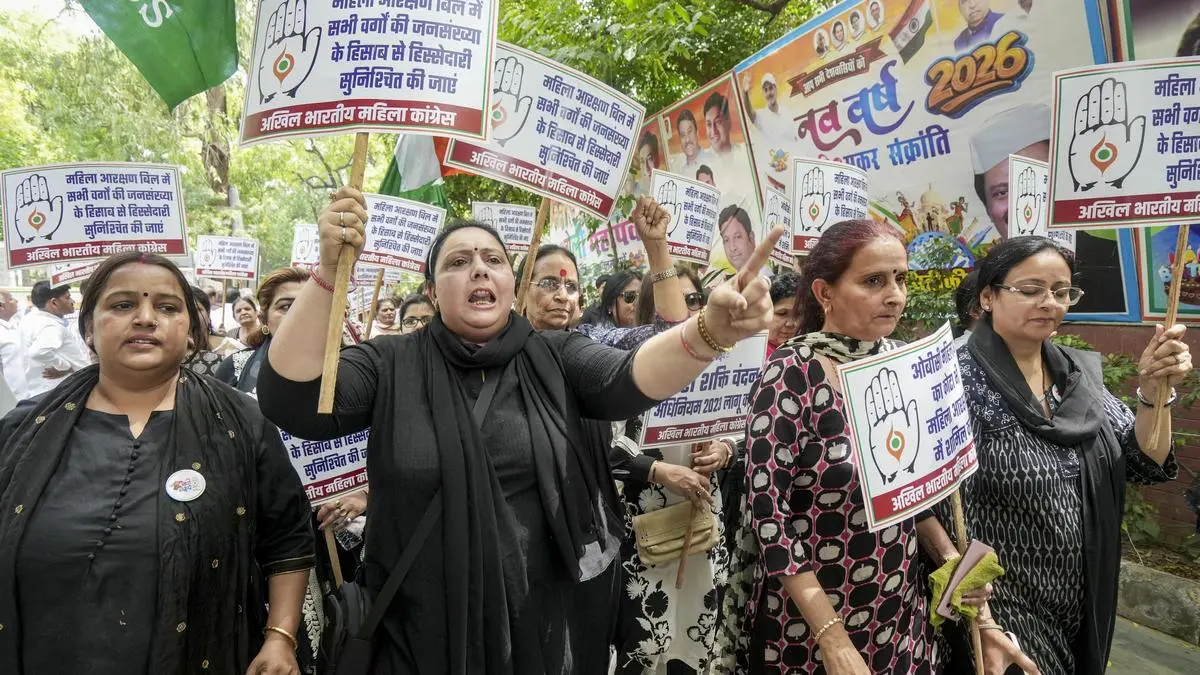
BJP's Misunderstanding of Women's Quota Needs
The BJP's linking of the Women Reservation Bill to delimitation risks delaying women's empowerment in India, misreading the aspirations of female voters.
India
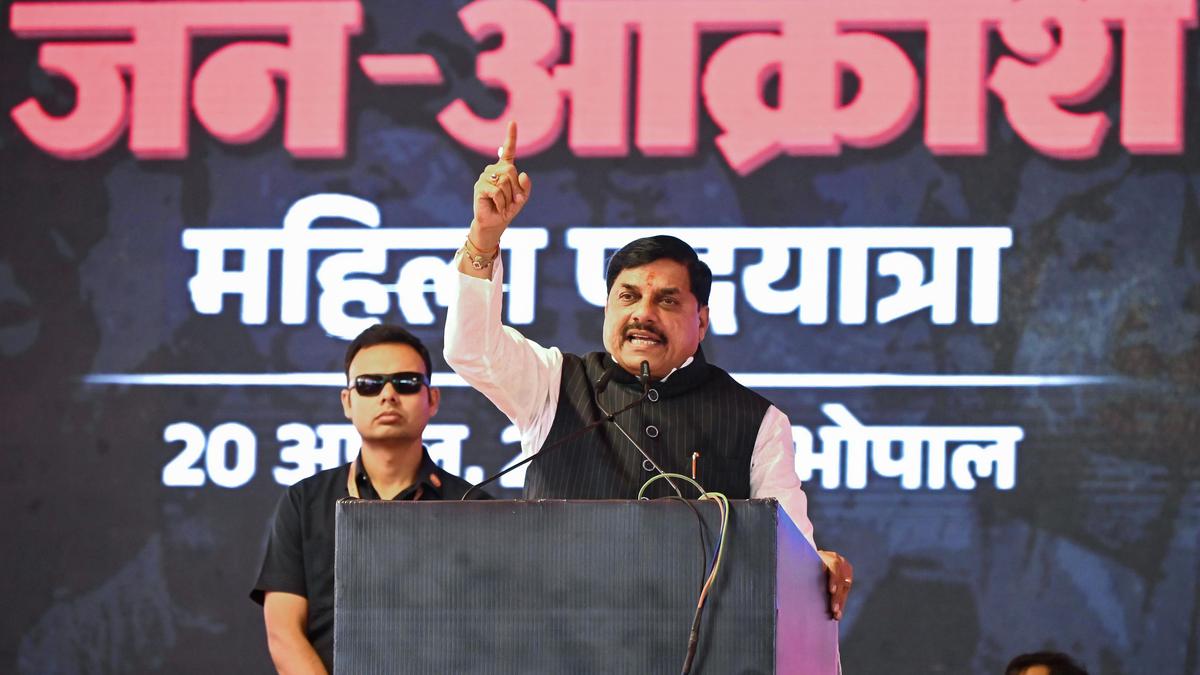
BJP Congress Clash Over MP Bill Defeat
The BJP's defeat of the women's quota amendment sparks a political narrative war with Congress, impacting future elections.

Conflict & Security
Drone Warfare Killing Aid Workers at Unprec
Over 1,000 humanitarian workers killed in three years as cheap armed drones collapse legal protections. Gaza, Sudan, Ukraine, and DRC see deliberate targeting of aid convoys and hospitals with zero prosecutions.

Global
World Normalises Taliban as Afghan Women Eras
UN data shows Afghan women erased from public life as Russia recognises the Taliban, EU hosts officials in Brussels, and ICC warrants for gender persecution go unenforced.

