BJP's Karnal Win Reveals Haryana Vulnerabilit
Karnal's election results reveal shifting voter sentiments.
Model Diplomat3 min readAsia

Karnal shows BJP still holds Haryana’s old guard
Manohar Lal Khattar kept Karnal, but the BJP’s vote share and margin fell sharply, signaling farmer anger and anti-incumbency ahead of Haryana’s next battle.
Manohar Lal Khattar’s win in Karnal gives the BJP a seat it needed to hold symbolically and politically in Haryana, but the margin tells a less comfortable story. The former chief minister won the 2024 Lok Sabha race with 739,285 votes against Congress’s Divyanshu Budhiraja’s 506,708, according to The Economic Times. That is a victory of 232,577 votes — still decisive, but far below the BJP’s 2019 dominance in the seat.
The Times of India puts the 2019 margin at 656,142, when the BJP’s Sanjay Bhatia buried the Congress. This time, the contest was tighter, and that matters more than the win itself.
A seat built for the BJP, but no longer effortless
Karnal is one of Haryana’s most important prestige constituencies because it straddles the state’s urban core and its agrarian hinterland. The seat includes nine assembly segments, and The Hindu notes that it was left vacant after Khattar resigned from the assembly seat when Nayab Singh Saini took over as chief minister. The same The Hindu constituency profile also flags the political fault line that now defines the seat: the region saw a strong farmers’ movement against the now-repealed farm laws.
That context explains why the BJP’s vote share dropped from 70.08% in 2019 to 54.93% in 2024, while Congress rose from 19.64% to 38%, according to The Hindu. The party still won, but it did so with less slack. For the BJP, Karnal was supposed to showcase continuity after the leadership shift from Khattar to Saini. Instead, it showed that the party’s Haryana base is still vulnerable to farm anger and local anti-incumbency — a point reinforced by
The Hindu, which reported that farmer protests and boycott calls shadowed BJP campaigns across the state.
What this means for Haryana politics
The immediate beneficiary is Khattar himself: he keeps his relevance in the state party and moves into Parliament with a mandate that still carries weight. The bigger winner, though, is the Congress, which proved it can cut into a seat the BJP once treated as safe. That is useful not just for national optics, but for Haryana’s assembly election cycle, where the opposition will try to turn parliamentary erosion into a state-level challenge.
Karnal also shows the BJP’s balancing act. It can still mobilize non-Jat, urban, and organizational strengths, but it can no longer assume that a strong candidate alone will neutralize agrarian resentment. The party’s core problem in Haryana is not that it cannot win; it is that it is now winning with thinner margins and less room for error.
What to watch next
Watch whether the BJP treats Karnal as a one-off or as a warning. The next real test is whether Saini’s government can stop the farm issue from hardening into a broader anti-incumbency bloc before the state assembly fight. If Congress can hold the momentum from Karnal into the next round, Haryana’s political map will look far less one-sided than it did in 2019.
Discover more
India
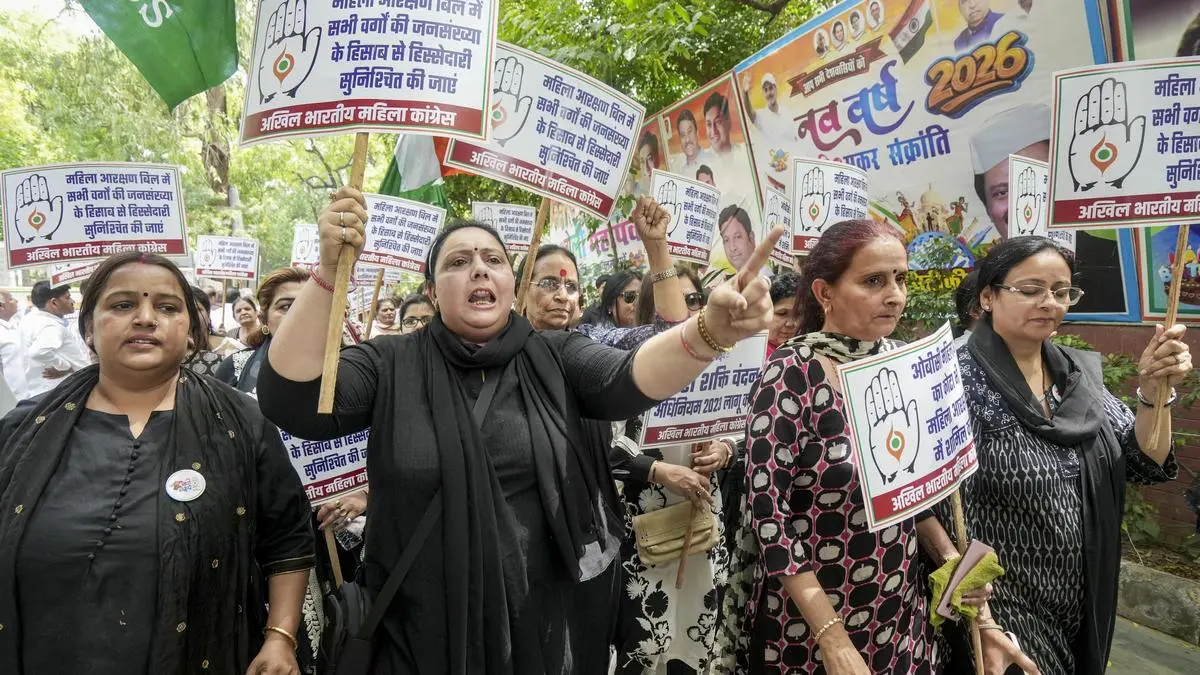
BJP's Misunderstanding of Women's Quota Needs
The BJP's linking of the Women Reservation Bill to delimitation risks delaying women's empowerment in India, misreading the aspirations of female voters.
India
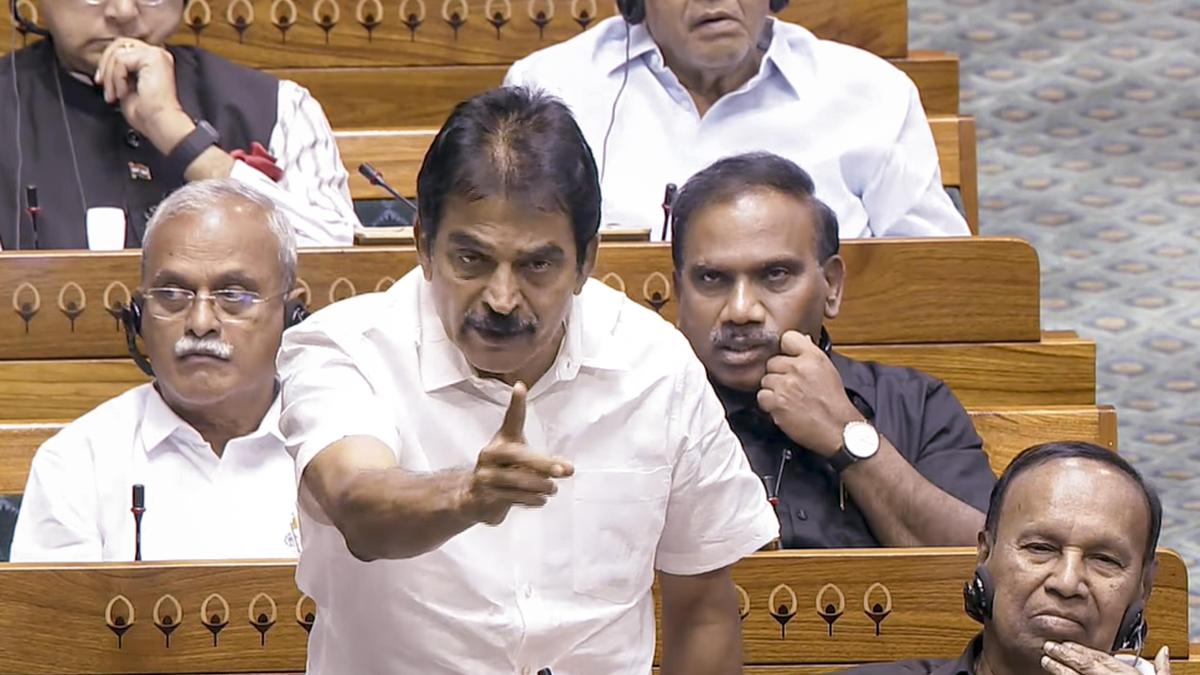
BJP's Delimitation Strategy
Congress leader K.C. Venugopal claims the BJP uses women's reservation to advance delimitation, raising fears over electoral fairness ahead of the 2029 polls.
India
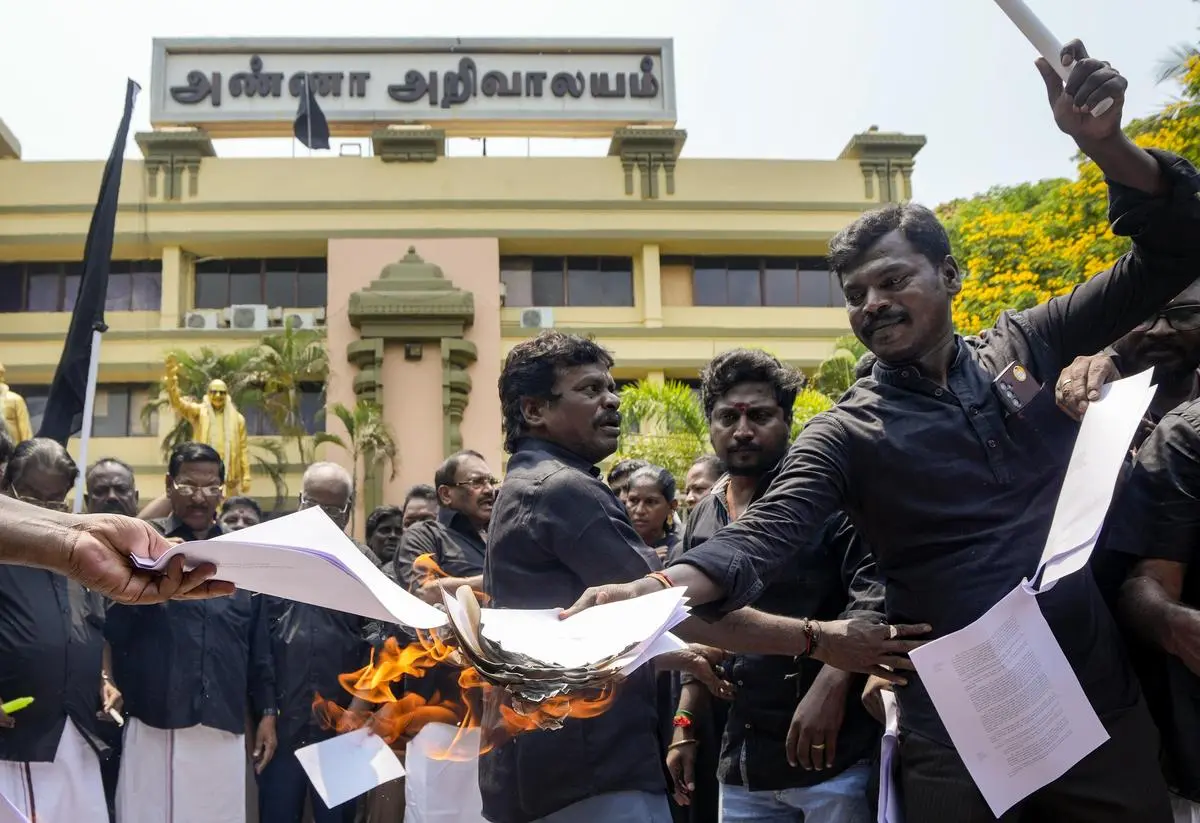
Women’s Reservation Bill 2026
The Constitution (131st Amendment) Bill, 2026 was defeated in Lok Sabha, revealing deeper political conflicts over women's reservation and delimitation.

Conflict & Security
Drone Warfare Killing Aid Workers at Unprec
Over 1,000 humanitarian workers killed in three years as cheap armed drones collapse legal protections. Gaza, Sudan, Ukraine, and DRC see deliberate targeting of aid convoys and hospitals with zero prosecutions.