BJP's Historic Win in West Bengal
BJP's victory reshapes West Bengal's political landscape.
Model Diplomat3 min readAsia

BJP Breaks Bengal as Mamata Loses Bhabanipur
BJP’s first win in West Bengal ends Mamata Banerjee’s 15-year run and gives Narendra Modi’s party a new eastern base before 2029.
The BJP has converted West Bengal from a symbolic frontier into a governing base. Counting on May 4 showed the party winning 206 of 293 declared seats and 45.84% of the vote, while the Trinamool Congress fell to 81 seats and 40.8%; one seat, Falta, will go to repoll on May 21. Banerjee also lost Bhabanipur — the Kolkata seat that had become her political sanctuary — to BJP leader Suvendu Adhikari by 15,105 votes. Even the broad read from early coverage was the same: Bengal’s voters had delivered a clear mandate. Trinamool ousted as BJP sweeps West Bengal - The Hindu
West Bengal election results: Full list of winners - The Hindu
Indian Express Daily Briefing
Why Bhabanipur mattered
Bhabanipur was Banerjee’s insurance policy, and it failed. She moved there after losing Nandigram in 2021; losing it now means this is not just anti-incumbency against a 15-year government, but a collapse in the personal authority that held the Trinamool system together. The BJP’s breakthrough was not confined to its old zones in north and southwest Bengal; it also made gains in Kolkata and adjoining districts, breaching terrain the TMC treated as politically secure. Trinamool ousted as BJP sweeps West Bengal - The Hindu
The immediate drivers were practical, not ideological. Reporting from the count points to voter anger over jobs, industrial stagnation, and crimes against women, while the BJP campaigned on investment and employment. The TMC, by contrast, appears to have overplayed the Special Intensive Revision of electoral rolls as a central issue; the exercise removed around 91 lakh names and shrank the electorate to about 6.82 crore, but that grievance did not save the ruling party. Trinamool’s fumbles and BJP’s promises drive change in West Bengal - The Hindu
West Bengal election results: Full list of winners - The Hindu
Why this changes India’s political map
The deeper shift is that the BJP has finally built an eastern anchor large enough to outlast a single election cycle. For Narendra Modi and Amit Shah, control of Kolkata offers something they lacked in Bengal: state-level administrative power, patronage, and a platform to convert parliamentary advances into durable organization. For Banerjee, the loss is bigger than one state. Her leverage in opposition politics rested on ruling Bengal while projecting national reach; without the state machine, that bargaining power drops.
There is also a coalition lesson. The Muslim vote that helped bring Banerjee to power in 2011 fragmented in 2026, with the Left-ISF alliance, Congress, and AJUP cutting into the TMC’s base in several districts, including Malda. That split did not create the BJP wave on its own, but it widened it. West Bengal election results: Split in Muslim votes paves doom for Trinamool Congress - The Hindu
What to watch next
The next decision point is who the BJP installs to run Bengal. If Adhikari emerges as the uncontested center of gravity after defeating Banerjee in Bhabanipur, the party will be signaling a combative, cadre-first consolidation. If Delhi opts for a broader social coalition in the chief ministership, it will be aiming to lock in this win beyond the first term. Also watch Falta’s May 21 repoll and any legal or political challenge from the TMC after Banerjee accused the Election Commission of malpractice during counting. For more on the wider implications, track our India and
Global Politics coverage.
Discover more
India
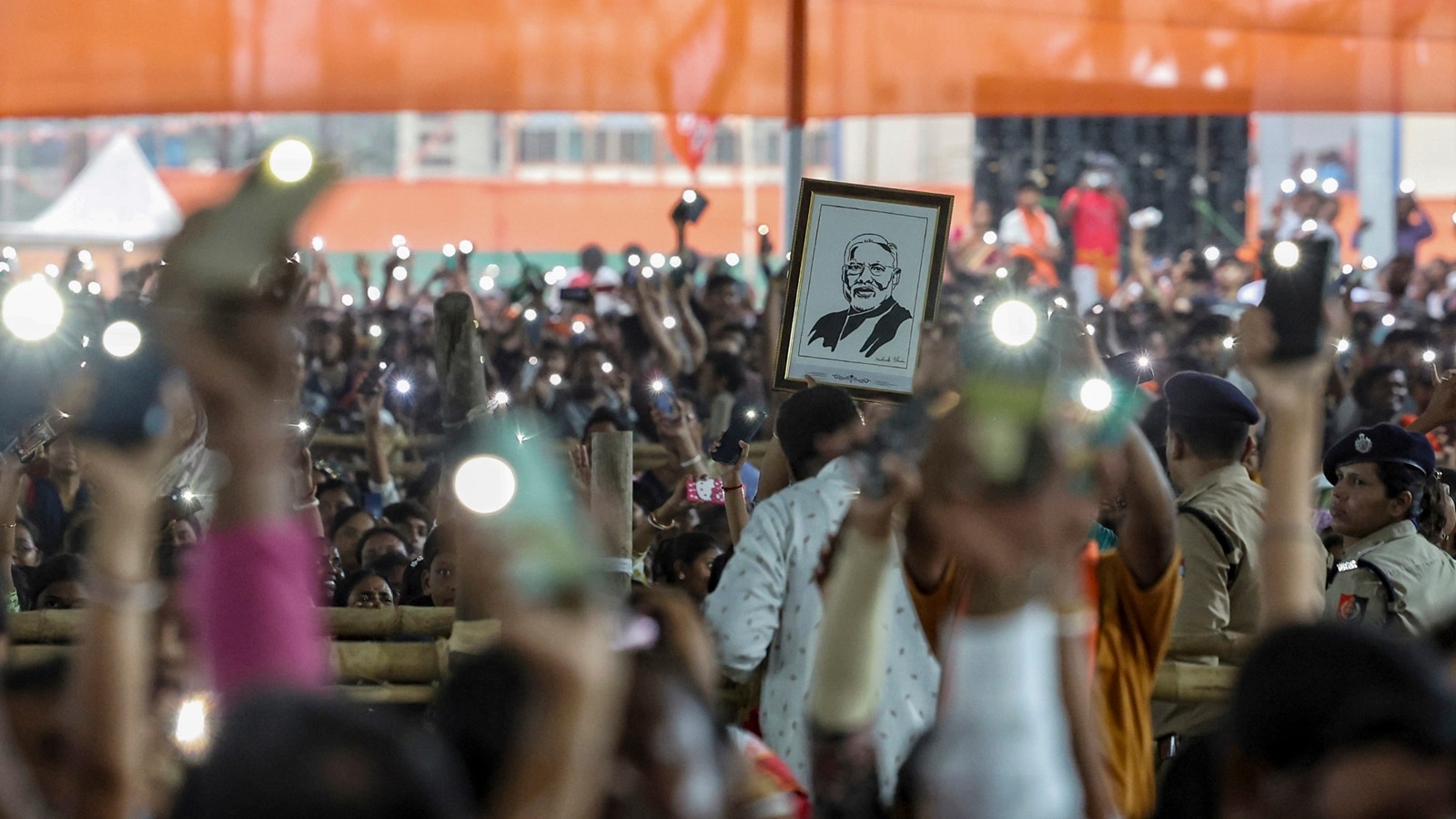
Modi's Women’s Convention in Varanasi
Modi's Varanasi rally frames women's reservation as a national mission, targeting the 2027 Uttar Pradesh elections with a strategic narrative.

Conflict & Security
Drone Warfare Killing Aid Workers at Unprec
Over 1,000 humanitarian workers killed in three years as cheap armed drones collapse legal protections. Gaza, Sudan, Ukraine, and DRC see deliberate targeting of aid convoys and hospitals with zero prosecutions.
Global
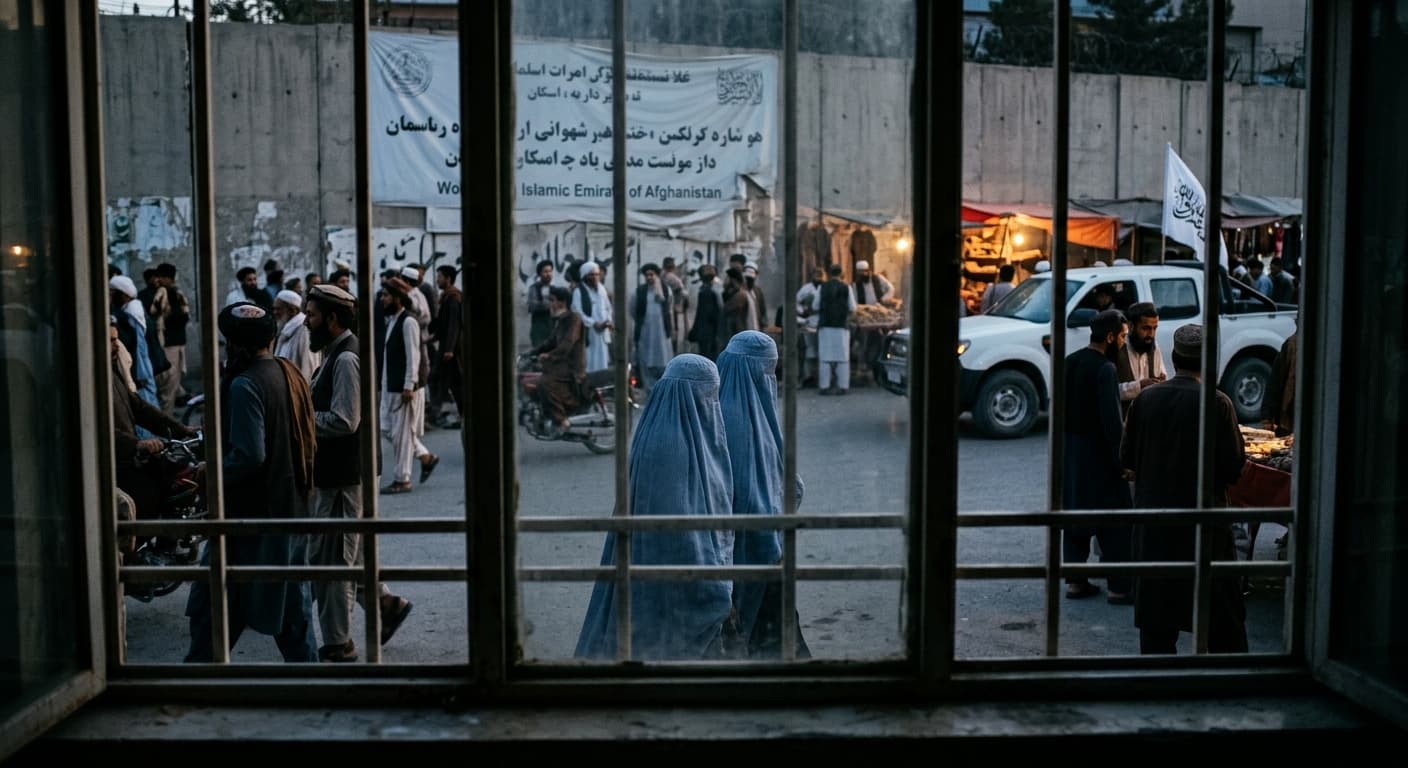
World Normalises Taliban as Afghan Women Eras
UN data shows Afghan women erased from public life as Russia recognises the Taliban, EU hosts officials in Brussels, and ICC warrants for gender persecution go unenforced.
Conflict & Security
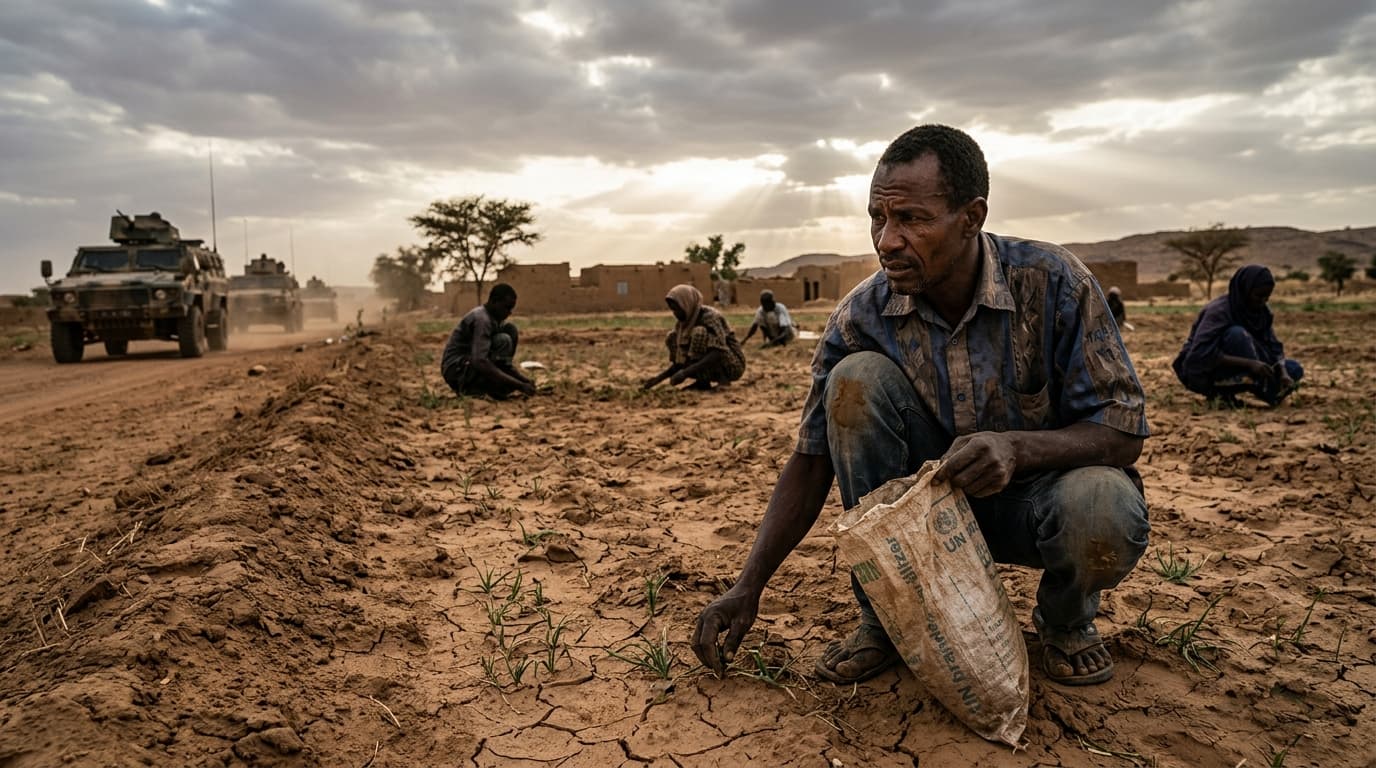
West Africa Food Crisis: Three Shocks in 2026
Conflict, climate extremes, and the Strait of Hormuz closure drive a severe food crisis in West and Central Africa, with fertilizer prices surging 80% and millions displaced.