BJP's Historic Win in Bengal
BJP claims victory in Bengal amid voter deletion controversies
Model Diplomat2 min readSouth Asia
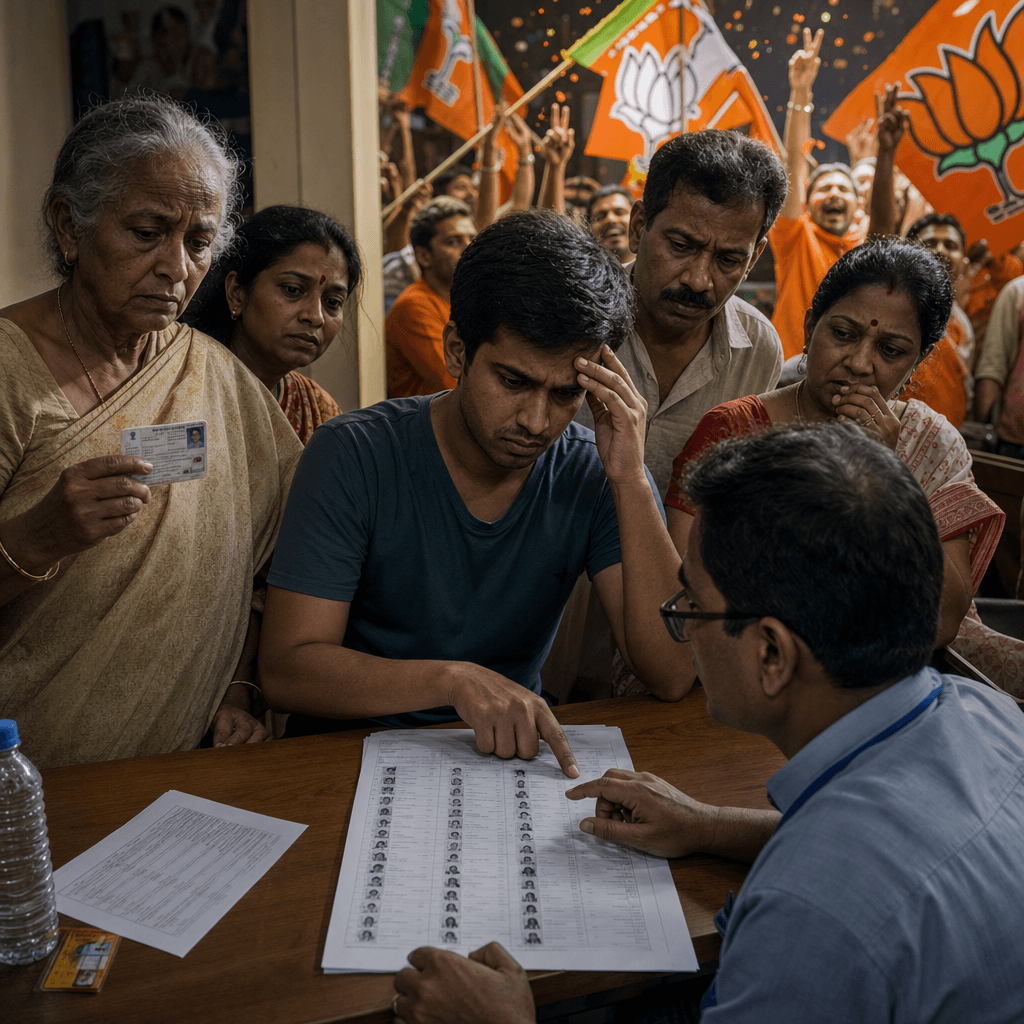
BJP's Bengal Sweep Masks Electoral Turbulence
206 seats in state long ruled by Trinamool; voter deletions dwarf margins in key constituencies
The BJP has broken through West Bengal's political fortress, winning 206 of 294 assembly seats and ending 15 years of Trinamool Congress rule.[1] Mamata Banerjee lost her own Bhabanipur stronghold to former lieutenant Suvendu Adhikari, now a BJP legislator.[1] An oath-taking ceremony is scheduled for May 9.[1] But beneath the landslide lies a structural question that will shadow the new government's legitimacy: voter deletions during the electoral roll revision removed more names than the BJP's winning margins in dozens of constituencies.
The Special Intensive Revision (SIR) deleted 90 lakh (9 million) names from Bengal's rolls before polling, shrinking the electorate from 7.6 crore to 6.82 crore.[1][2] In 54 constituencies with deletions exceeding 5 percent of voters, the BJP won 36 seats—doubling its historical tally in those districts while the TMC lost 18.[3] The correlation is stark enough that data analysts at CNN-News18 and The Hindu have flagged it as a pattern worthy of scrutiny.
What makes the numbers alarming: in several districts, voter deletions vastly exceeded victory margins. In Purba Bardhaman, deletions ran 2,000 higher than the winning margin itself.[4] Kolkata saw 6 lakh deletions against far tighter seat margins.[4] The deletion burden fell disproportionately on Muslims—63 percent of those removed (57.47 lakh) were Hindu, while Muslims represented 31.1 lakh (34 percent) of deletions despite comprising a smaller share of Bengal's population.[3]
The Election Commission's appellate tribunals have restored only 1,607 voter rights across two phases, against 90 lakh deletions—a 115:1 ratio of restorations to removals.[2] Officials attributed most deletions to deceased, absent, or relocated voters, along with 27 lakh disenfranchised under a "logical discrepancy" clause covering spelling errors and surname mismatches.[2] But the sheer scale, combined with the electoral geography, has handed the Trinamool a narrative weapon even as power shifts.
The BJP has preemptively rejected the argument. Spokesperson GVL Narasimha Rao told NDTV that the party performs well in both high-deletion and low-deletion constituencies, calling the SIR-outcome link "motivated" and not fact-based.[5] This claim warrants testing: the party's margin of victory in high-SIR seats versus low-SIR seats would reveal whether the deletions merely amplified an existing BJP surge or created one.
Banerjee has alleged "loot of seats" and faces both political defeat and legal jeopardy—she remains entangled in corruption cases that may now accelerate under a BJP-led government.[1] Her party's challenge is twofold: rebuild electoral credibility and exploit the SIR controversy to delegitimize the BJP mandate before courts or the Election Commission.
What to watch: Whether appeals reach the Supreme Court before May 9; whether the new BJP government amends the SIR or deploys it as precedent; whether voter restoration litigation gains traction; and whether Muslim-majority constituencies flagged for disproportionate deletions become a focal point for opposition mobilization ahead of national elections.
Discover more
India
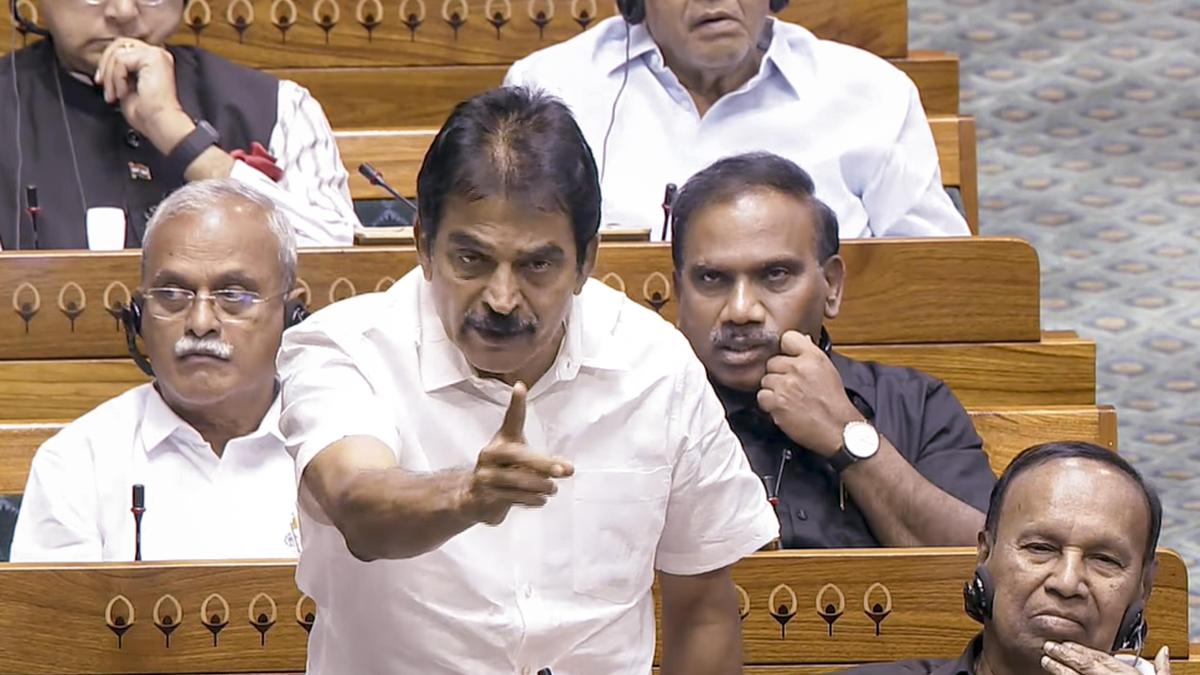
BJP's Delimitation Strategy
Congress leader K.C. Venugopal claims the BJP uses women's reservation to advance delimitation, raising fears over electoral fairness ahead of the 2029 polls.
India
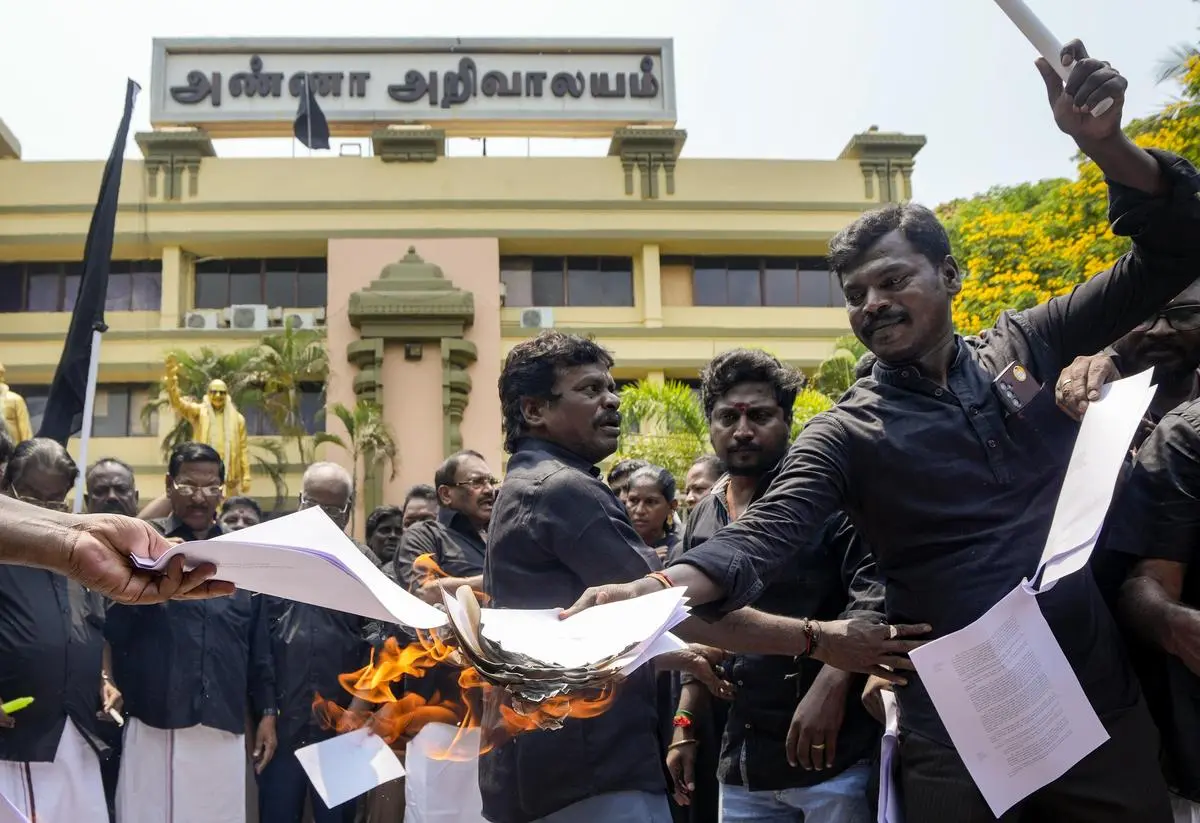
Women’s Reservation Bill 2026
The Constitution (131st Amendment) Bill, 2026 was defeated in Lok Sabha, revealing deeper political conflicts over women's reservation and delimitation.
India
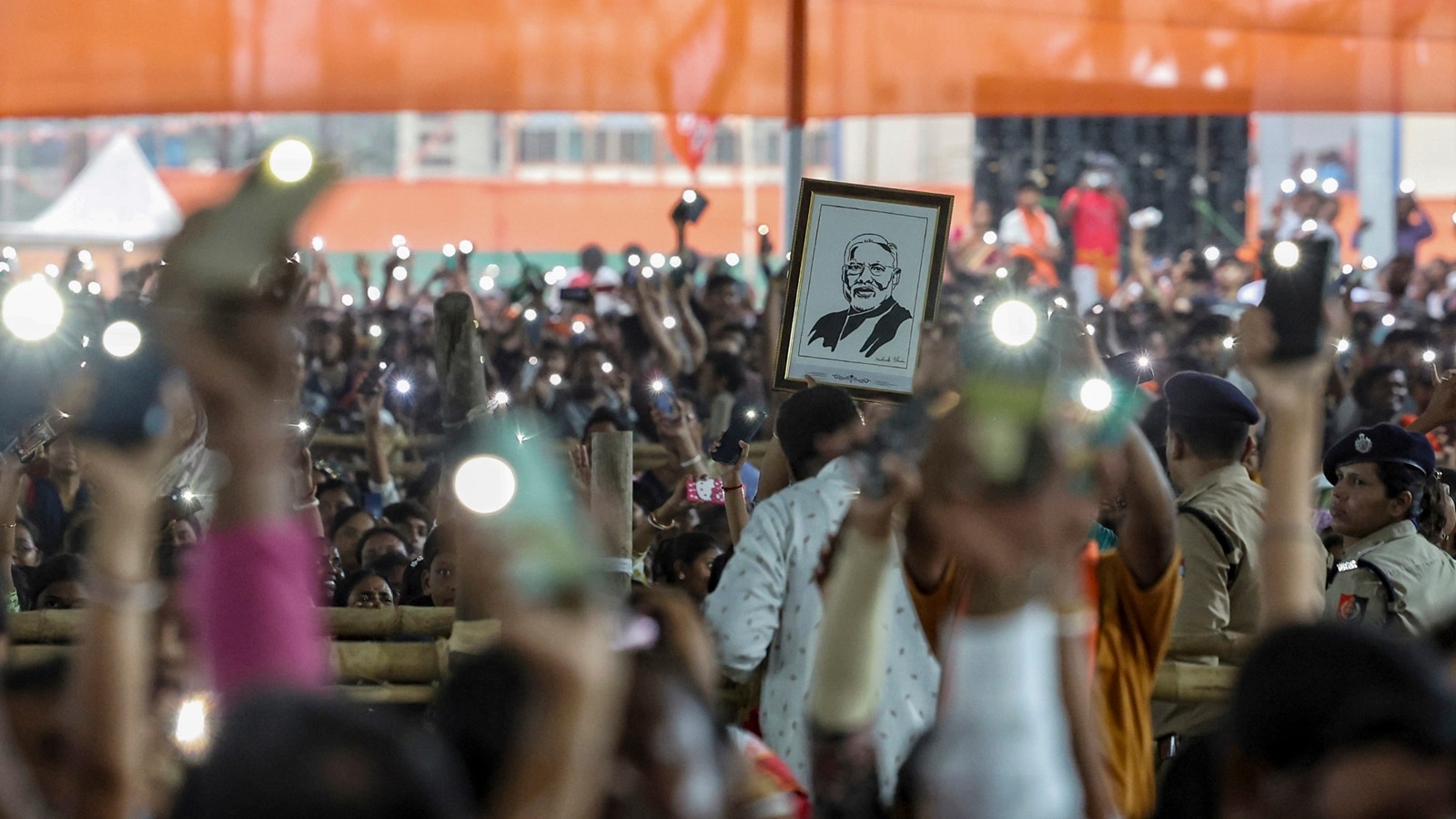
Modi's Women’s Convention in Varanasi
Modi's Varanasi rally frames women's reservation as a national mission, targeting the 2027 Uttar Pradesh elections with a strategic narrative.

Conflict & Security
Drone Warfare Killing Aid Workers at Unprec
Over 1,000 humanitarian workers killed in three years as cheap armed drones collapse legal protections. Gaza, Sudan, Ukraine, and DRC see deliberate targeting of aid convoys and hospitals with zero prosecutions.