BJP's Eastern Base Boosts India's Act East
Exploring BJP's influence in India's northeast and foreign policy.
Model Diplomat2 min readAsia
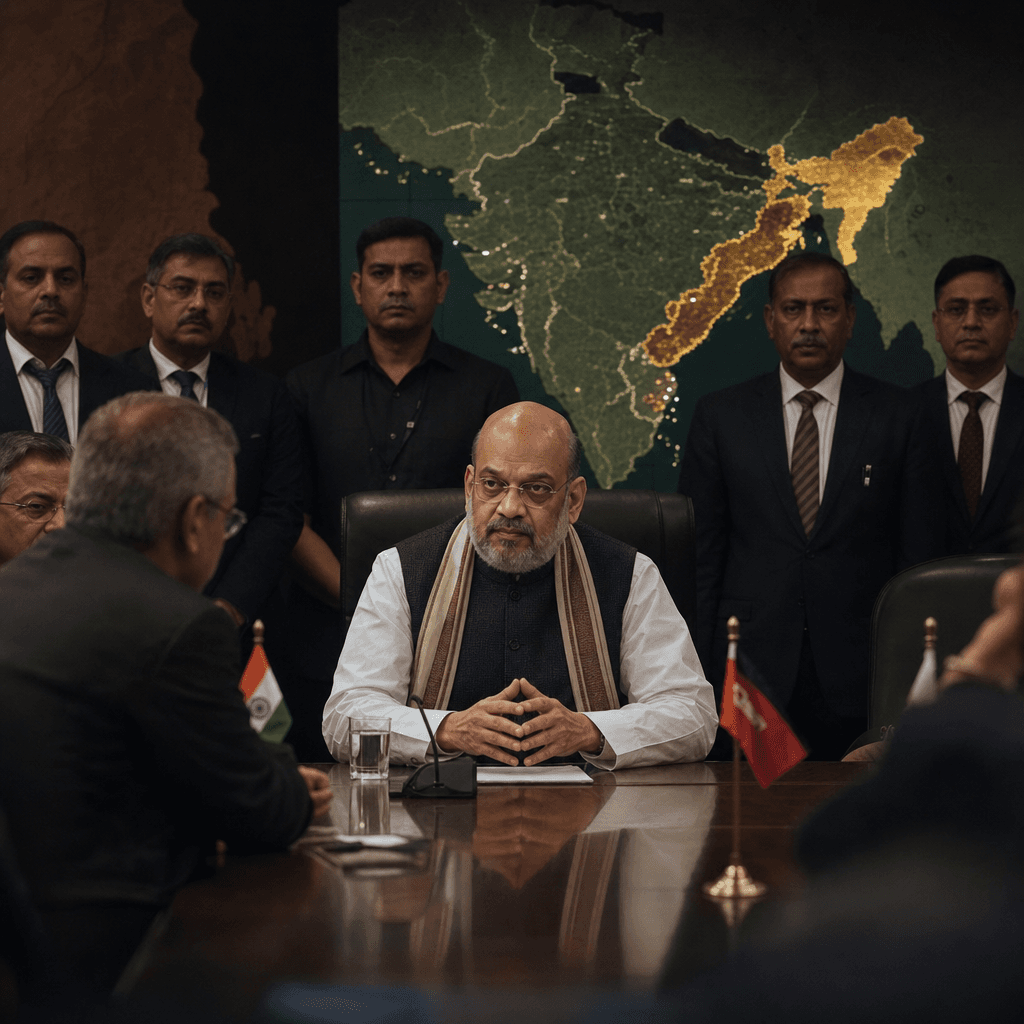
BJP’s Eastern Base Gives Delhi Regional Leverage
The BJP’s strength in India’s east matters because it turns domestic control into diplomatic access: better odds for Act East, but only if connectivity catches up.
The BJP’s eastern mandate gives New Delhi something it has lacked in the northeast for much of the post-1990 era: political alignment between the Centre and the border states that matter most for Act East. The Indian Express argues that this could help India open new foreign policy doors in the region, and the logic is straightforward: the northeast is the land bridge to Bangladesh, Myanmar and onward to Southeast Asia, so state-level buy-in matters as much as the Ministry of External Affairs does. Indian Express
Why the mandate matters
External Affairs Minister S. Jaishankar has already framed the northeast as India’s “gateway to Southeast Asia,” not a frontier to be managed from afar. The Hindu Prime Minister Narendra Modi made the same case in May 2025, calling the region a future bridge for trade with ASEAN and tying that ambition to infrastructure projects meant to connect India directly with Myanmar, Thailand, Vietnam and Laos.
The Hindu
That is where the BJP’s political advantage becomes strategic leverage. A party that controls Assam and influences the wider eastern corridor can align land acquisition, border management, policing and investment decisions with the Centre’s external agenda. That helps India sell its eastern states not just as a domestic development story, but as a corridor for regional commerce and diplomacy. For policymakers tracking India’s external posture, this is the practical edge of India’s Act East policy.
The real prize is connectivity, not slogans
The foreign-policy upside is real, but it is bottlenecked by infrastructure. The Kaladan multimodal project, which would shorten the Aizawl-Kolkata route by about 700 km, is now officially expected to be operational by 2027, according to Ports, Shipping and Waterways Minister Sarbananda Sonowal. The Hindu India and Myanmar also discussed resuming border trade by road in February 2025, underscoring that the commercial promise of the northeast still depends on practical cross-border access, not only political rhetoric.
The Hindu
Japan is also reading the region this way. In February 2026, Tokyo said it would support connectivity linking northeast India to the Bay of Bengal and the Indian Ocean, a sign that outside powers increasingly see the region as part of Indo-Pacific logistics, not just Indian federal politics. The Hindu
What to watch next
The next test is whether the BJP can convert electoral strength into operational gains: smoother border trade with Myanmar and Bangladesh, faster work on Kaladan, and more visible ASEAN-facing investment and transport announcements. The date to watch is 2027, when India says Kaladan should be live. If that slips again, the eastern mandate will look more like political symbolism than foreign-policy reach.
Discover more
India
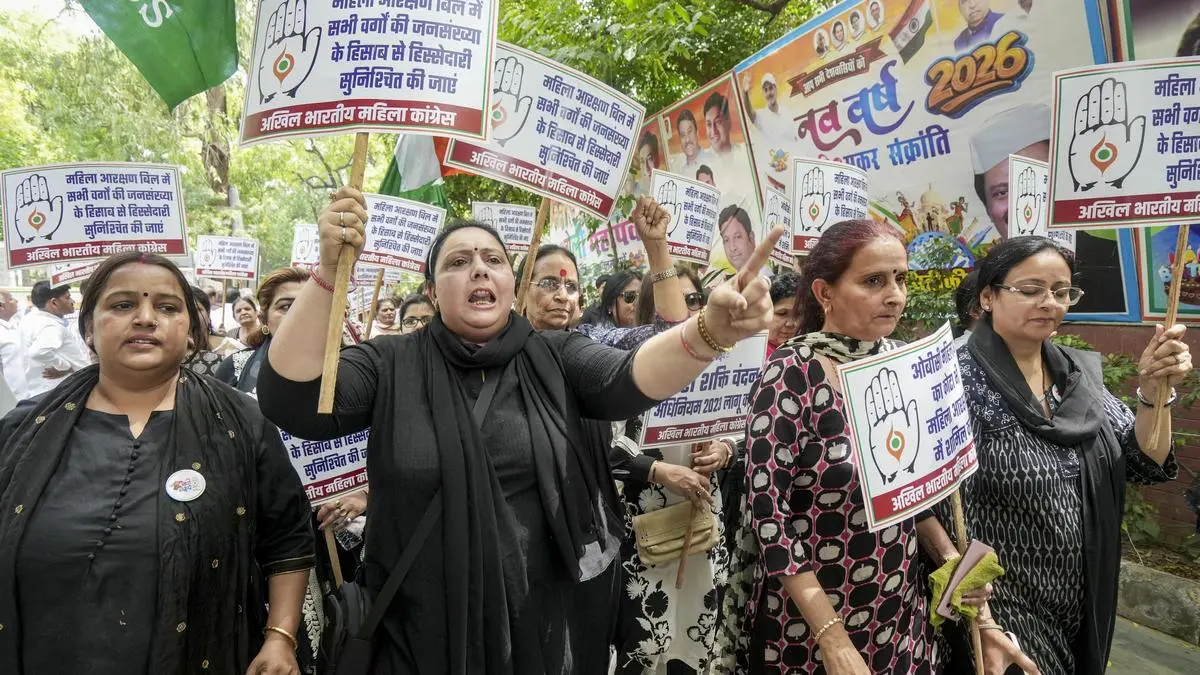
BJP's Misunderstanding of Women's Quota Needs
The BJP's linking of the Women Reservation Bill to delimitation risks delaying women's empowerment in India, misreading the aspirations of female voters.
India
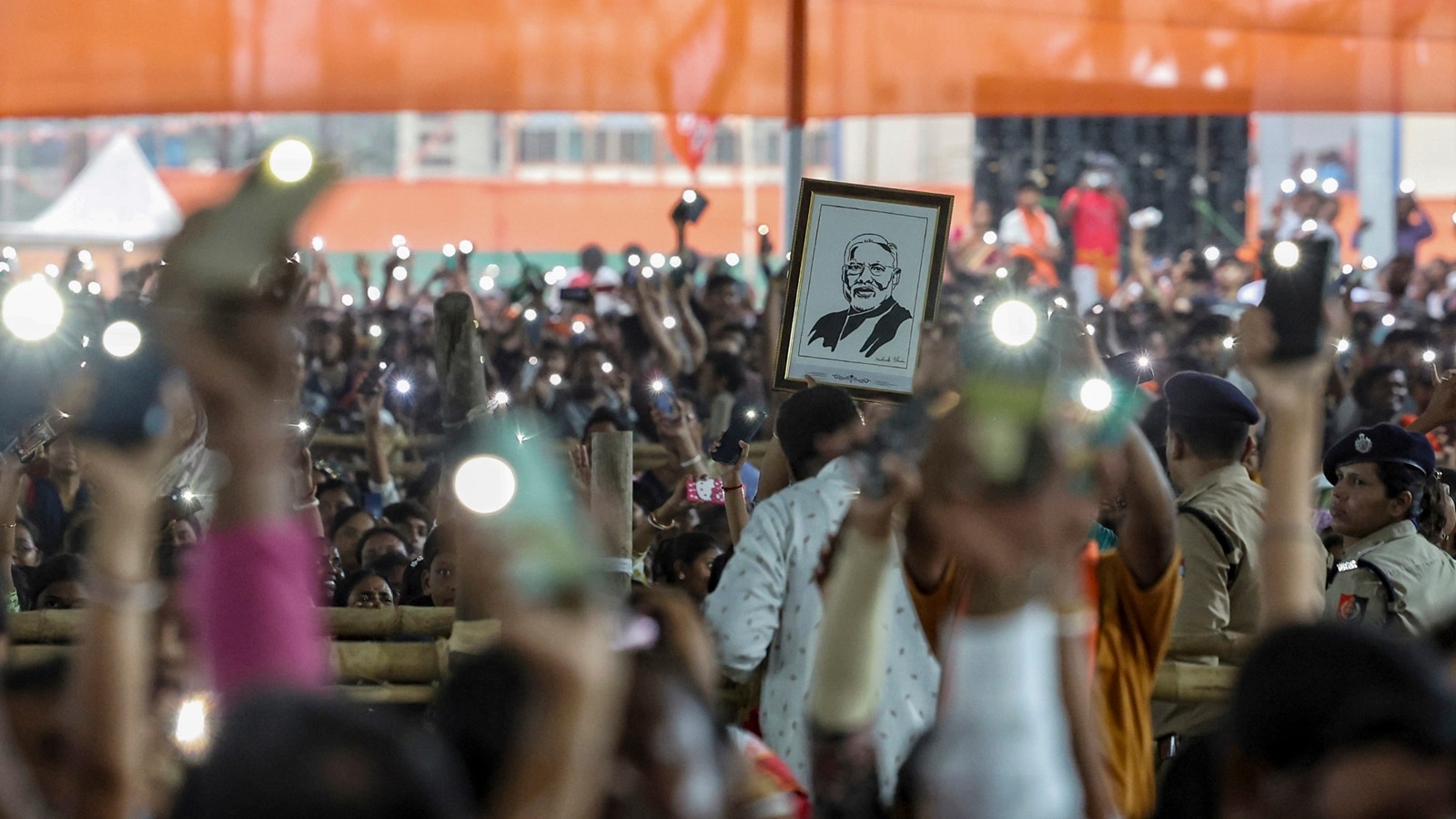
Modi's Women’s Convention in Varanasi
Modi's Varanasi rally frames women's reservation as a national mission, targeting the 2027 Uttar Pradesh elections with a strategic narrative.

Conflict & Security
Drone Warfare Killing Aid Workers at Unprec
Over 1,000 humanitarian workers killed in three years as cheap armed drones collapse legal protections. Gaza, Sudan, Ukraine, and DRC see deliberate targeting of aid convoys and hospitals with zero prosecutions.
Global
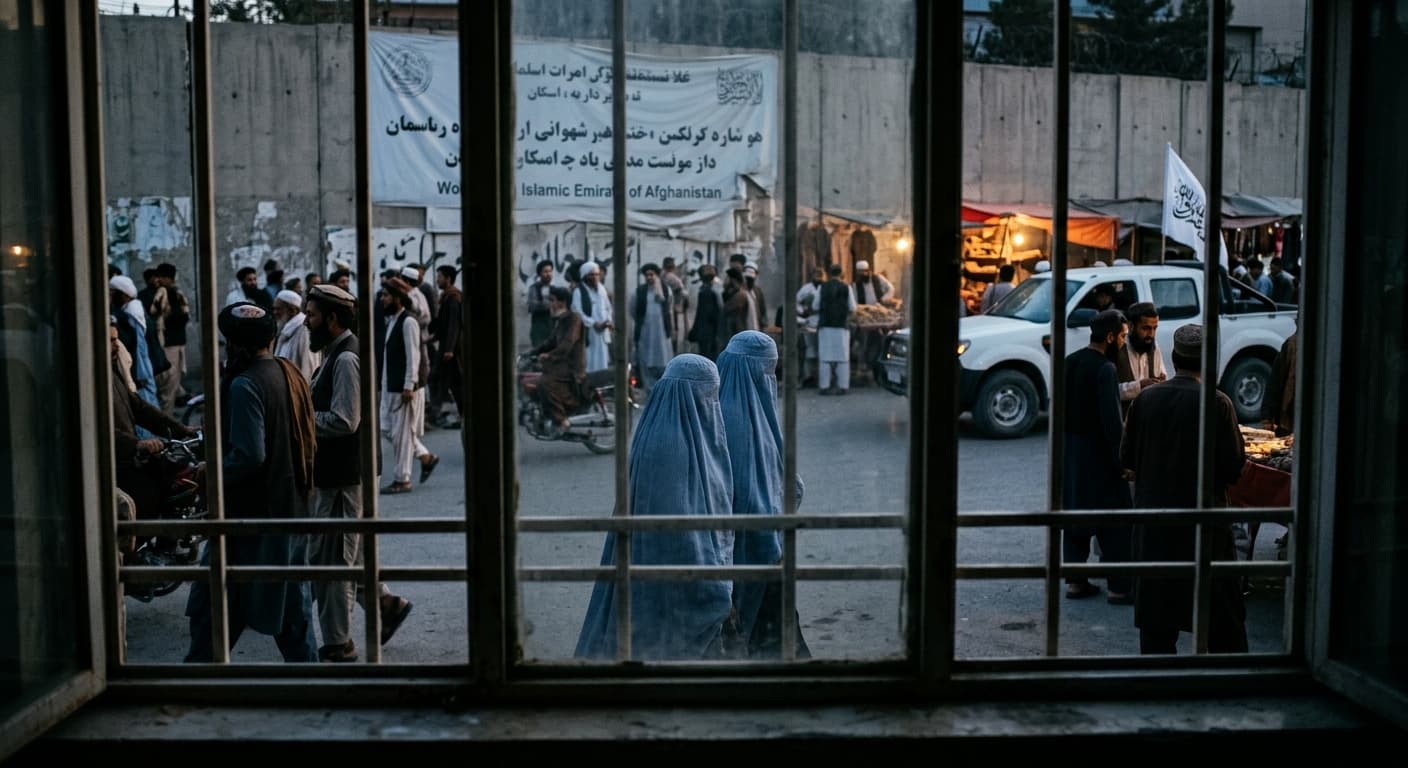
World Normalises Taliban as Afghan Women Eras
UN data shows Afghan women erased from public life as Russia recognises the Taliban, EU hosts officials in Brussels, and ICC warrants for gender persecution go unenforced.