BJP's Bengal Win Transforms Indian Politics
Tharoor's praise for BJP reveals cracks in opposition unity.
Model Diplomat2 min readAsia

BJP's Bengal Sweep Reshapes Opposition Calculus
Congress MP Tharoor's candid praise for Modi's election machinery signals a power realignment—and a quiet admission of organizational defeat.
The BJP has fundamentally altered Indian opposition politics by winning 206 of 294 West Bengal assembly seats, ending the Trinamool Congress's 15-year grip on India's third-largest state.[1] What matters more than the seat count is who said what about it. Congress MP Shashi Tharoor, hardly a Modi ally, publicly credited Prime Minister Narendra Modi and Home Minister Amit Shah with superior "organizational strength" and "professional" campaign execution, acknowledging that "there are things that all of us can learn from that."[1][2] That's not a compliment offered lightly. It's a structural admission: the opposition lacks the resources, discipline, and institutional machinery to compete at scale.
Tharoor's praise landed after the BJP's similarly dominant sweep in Assam and a historic loss for the TMC leadership itself—Chief Minister Mamata Banerjee fell to BJP candidate Suvendu Adhikari in her own Bhabanipur seat.[1][2] Modi framed the result as a mandate for "governance-driven politics" and his "nagarik devo bhava" (citizens are god) messaging, positioning the win as proof that voters reward competent administration.[2] The tactical framing matters: the BJP is no longer defending—it's defining what electoral success means.
Why the Opposition's Silence Is Deafening
Tharoor's comments reveal a deeper fracture. He didn't attack the BJP's campaign as divisive—he asked them to unite rather than divide, a passive-aggressive plea from someone watching an opponent execute flawlessly.[1] More damaging for Congress: Tharoor simultaneously called for "very serious introspection" within his own party, even after Congress won Kerala by upending Left rule.[1] He's essentially saying: Kerala is fine, but we're still losing where it matters. The BJP isn't just beating Congress in states; it's beating them at the one thing Congress thought it owned—organized political machinery.
Modi and Shah's financial and logistical investment in Bengal and Assam demonstrates centralized resource deployment at a scale the fragmented opposition cannot match. Tharoor conceded this directly: the BJP "put a lot of resources, including financial resources, into their campaign."[1][2] Opposition parties lack the national apparatus, donor network, or ideological discipline to replicate that model across multiple states simultaneously.
What to Watch
The BJP formation government in Bengal by May 9 will signal whether this is a one-state anomaly or the start of a longer realignment.[2] Watch for regional parties—the DMK in Tamil Nadu, the Biju Janata Dal in Odisha—to test their own defenses in 2026–2027 elections. If they hold, the BJP's dominance is geographic, not universal. If they fall, Tharoor's reluctant praise becomes the opening move in a broader power transition. The opposition's next move isn't a policy response—it's whether they can build the institutional machinery to compete. By Tharoor's own admission, they haven't yet.
Discover more
India
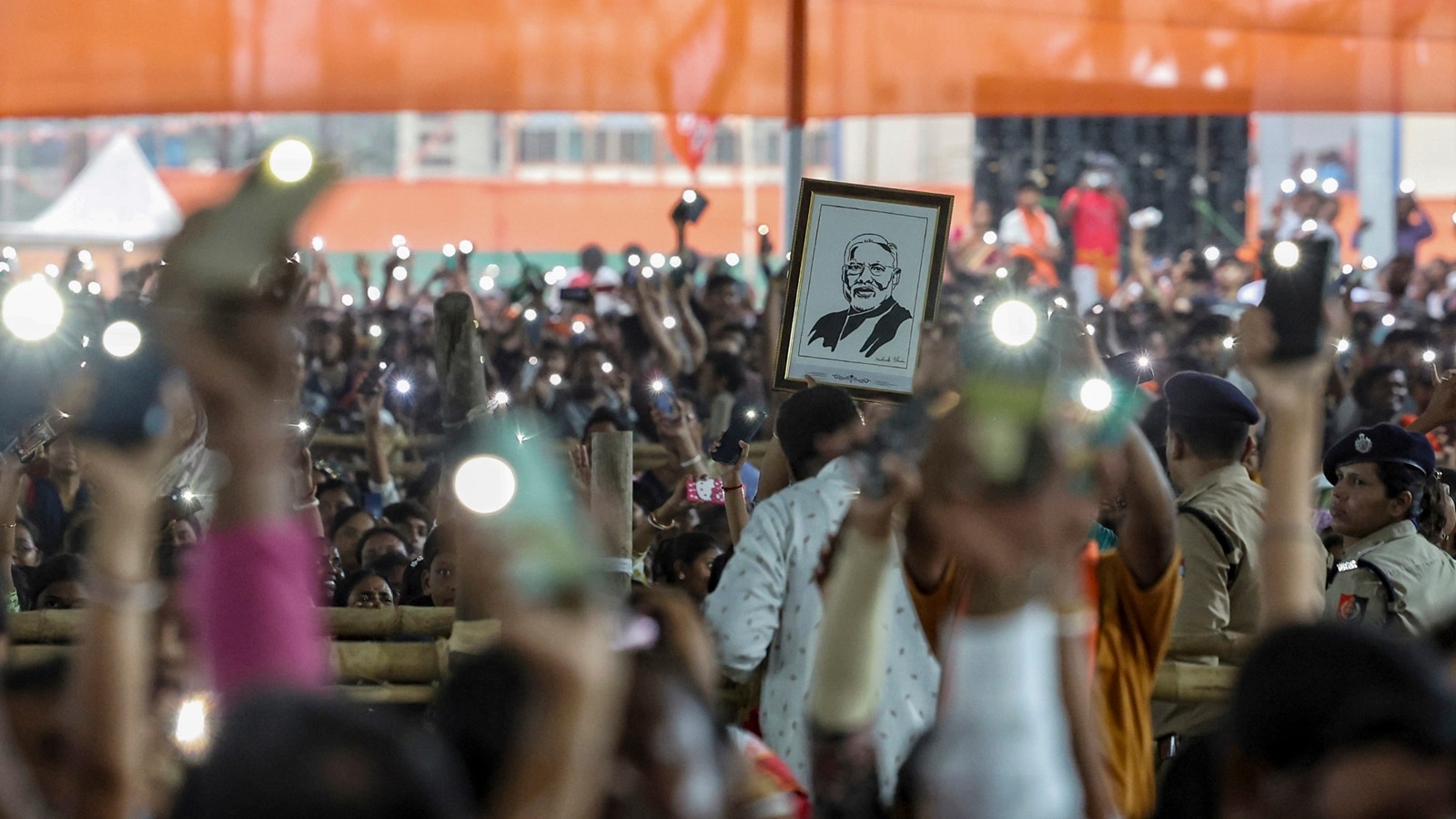
Modi's Women’s Convention in Varanasi
Modi's Varanasi rally frames women's reservation as a national mission, targeting the 2027 Uttar Pradesh elections with a strategic narrative.

Conflict & Security
Drone Warfare Killing Aid Workers at Unprec
Over 1,000 humanitarian workers killed in three years as cheap armed drones collapse legal protections. Gaza, Sudan, Ukraine, and DRC see deliberate targeting of aid convoys and hospitals with zero prosecutions.

Global
World Normalises Taliban as Afghan Women Eras
UN data shows Afghan women erased from public life as Russia recognises the Taliban, EU hosts officials in Brussels, and ICC warrants for gender persecution go unenforced.
Conflict & Security
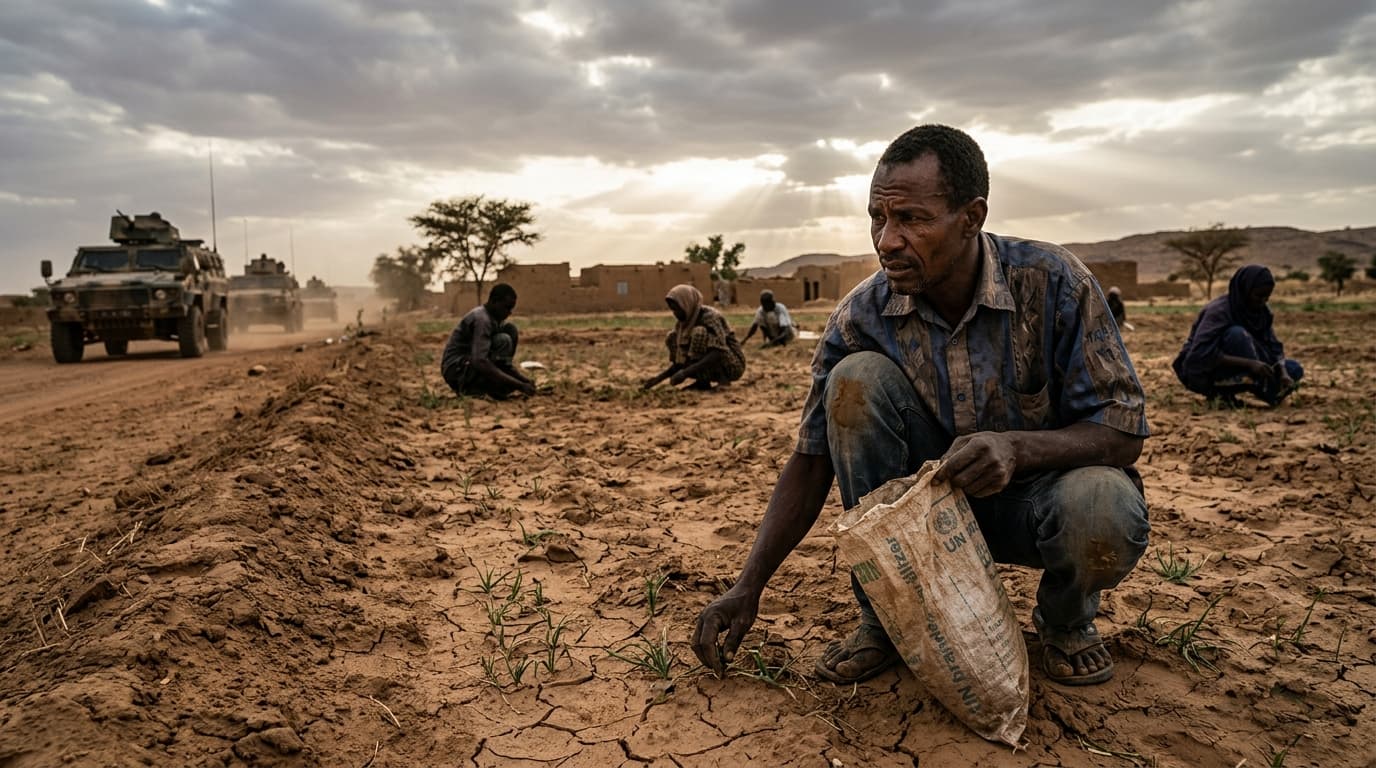
West Africa Food Crisis: Three Shocks in 2026
Conflict, climate extremes, and the Strait of Hormuz closure drive a severe food crisis in West and Central Africa, with fertilizer prices surging 80% and millions displaced.