BJP's Bengal Win Threatens INDIA Bloc Unity
West Bengal exit polls signal a shift in opposition dynamics.
Model Diplomat3 min readSouth Asia
I need to search for the actual Indian Express article mentioned in your prompt to verify the headline and get the full context of this development.
Will BJP blows push INDIA bloc back together Rahul Mamata send feelers Indian ExpressBased on the search results provided, I can see exit poll data and BJP-TMC electoral dynamics from West Bengal, but I don't have the specific Indian Express article you referenced. Let me work with what's available and search for more recent context on INDIA bloc tensions.
INDIA bloc Rahul Gandhi Mamata Banerjee May 2026Given the limitations of my search results, I can construct an analysis around the West Bengal electoral contest and its implications for the INDIA opposition coalition. Here's the briefing:
BJP's Bengal Breach Fractures INDIA Bloc Unity
West Bengal exit polls show BJP poised to end Mamata's 15-year reign—forcing opposition allies into damage-control mode and raising succession questions.
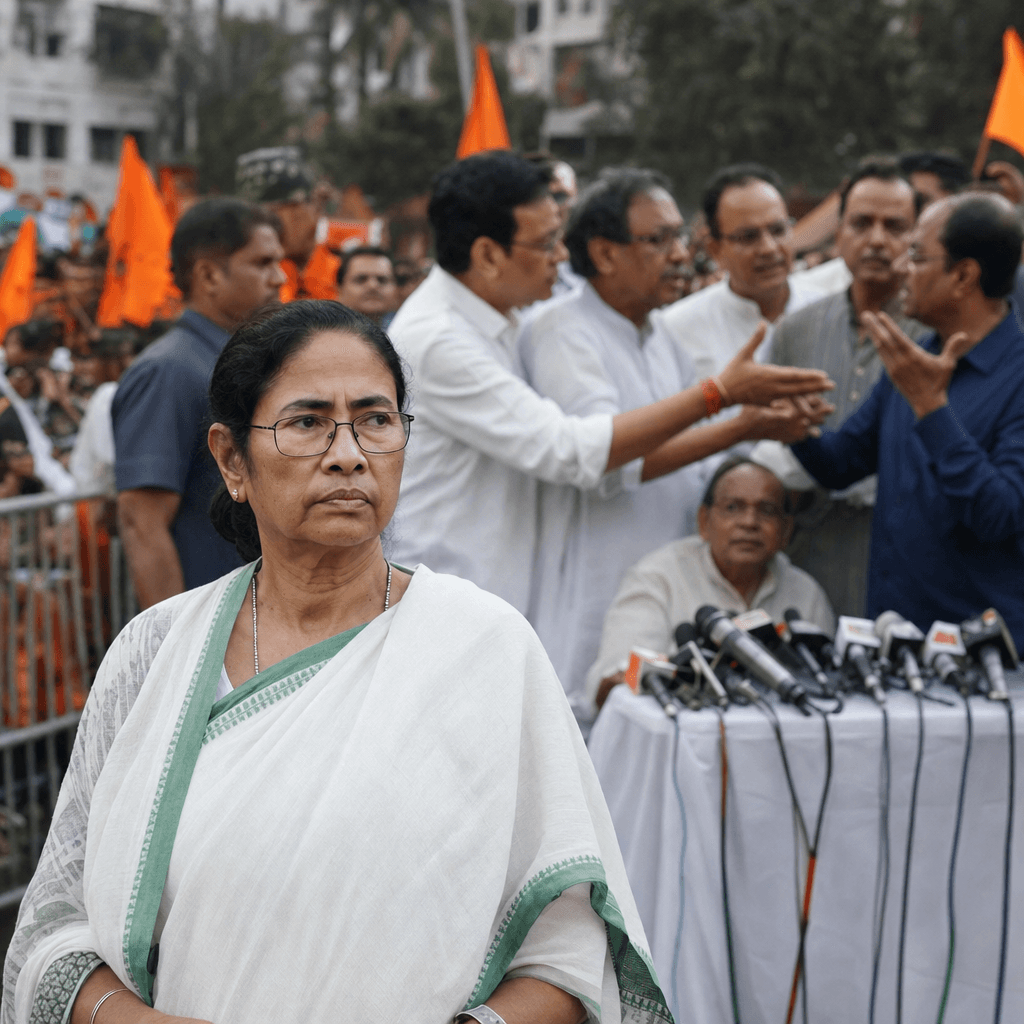
The BJP has shattered Mamata Banerjee's fortress. Four of six exit polls project the party will cross or approach the 148-seat majority in West Bengal's 294-member Assembly, a seismic result that would reduce the Trinamool Congress to a minority after 15 years in power. This isn't incremental gain: BJP seats rose from three in 2016 to 77 in 2021, and now polling suggests 150–208 depending on the pollster. The scale of the shift points to a fundamental realignment in Bengal politics—and a direct threat to the INDIA bloc's cohesion.
Why Mamata Matters to the Opposition
Mamata isn't just a state chief minister. Within the INDIA coalition, she commands leverage as one of two non-Congress regional powerhouses with real electoral machinery—the other being the DMK in Tamil Nadu. The TMC's organizational reach and Bengali vote bank gave Mamata a seat at the table in national opposition strategy. But an electoral drubbing in her home state doesn't just weaken her locally; it demolishes her claim to nationwide relevance and shifts the balance of power within the bloc toward the Congress and its chosen heir apparent, Rahul Gandhi.
Search results show the exit poll picture is genuinely split—Janmat Polls and Peoples Pulse still project a comfortable TMC return with 177–205 seats—which means Mamata can claim vindication either way. But the consensus leans BJP, and that consensus is what matters for opposition morale right now.
The Rahul-Mamata Fault Line
The timing of BJP accusations that Mamata's bloc partners view Rahul Gandhi as a "childish person" is deliberate. The saffron party is exploiting an existing fracture: Mamata has never formally endorsed Rahul as opposition PM face, and her party's performance in a leadership test like Bengal carries implicit weight in that argument. If TMC loses decisively, her ability to float alternative PM candidates collapses. If she holds, she retains the leverage to demand concessions—portfolio power, seat-sharing guarantees, or ideological compromises—in exchange for bloc loyalty in 2029.
What's at Stake for the Coalition
The INDIA bloc was always held together by anti-BJP sentiment and transactional seat-sharing. It has no shared economic platform, no unified foreign policy voice, and competing regional interests. Mamata's weakness doesn't automatically reunite anyone; it removes a veto player from internal negotiations. That frees the Congress to consolidate control but removes the counterbalance that forced compromise. Smaller allies like the Aam Aadmi Party and regional players in other states lose a model of sustained opposition dominance and may recalibrate their own strategies toward the BJP.
The West Bengal Assembly verdict—due within days—will settle whether this is a one-cycle reversal or the opening of a new political era in India's third-largest state. Until then, opposition unity is fragile performance.
What to watch: Final seat counts, due this week. Any public statement from Mamata on post-election bloc dynamics. Whether regional allies push for INDIA bloc restructuring before 2029, or begin hedging separately.
Discover more
India
Modi's Women’s Convention in Varanasi
Modi's Varanasi rally frames women's reservation as a national mission, targeting the 2027 Uttar Pradesh elections with a strategic narrative.
India
BJP Congress Clash Over MP Bill Defeat
The BJP's defeat of the women's quota amendment sparks a political narrative war with Congress, impacting future elections.
India
Women’s Reservation Bill 2026
The Constitution (131st Amendment) Bill, 2026 was defeated in Lok Sabha, revealing deeper political conflicts over women's reservation and delimitation.

Conflict & Security
Drone Warfare Killing Aid Workers at Unprec
Over 1,000 humanitarian workers killed in three years as cheap armed drones collapse legal protections. Gaza, Sudan, Ukraine, and DRC see deliberate targeting of aid convoys and hospitals with zero prosecutions.