BJP's 177-Seat Target in West Bengal 2026: A Reality Check
Analyzing BJP's electoral prospects in West Bengal's Assembly elections
Model Diplomat3 min readWest Bengal
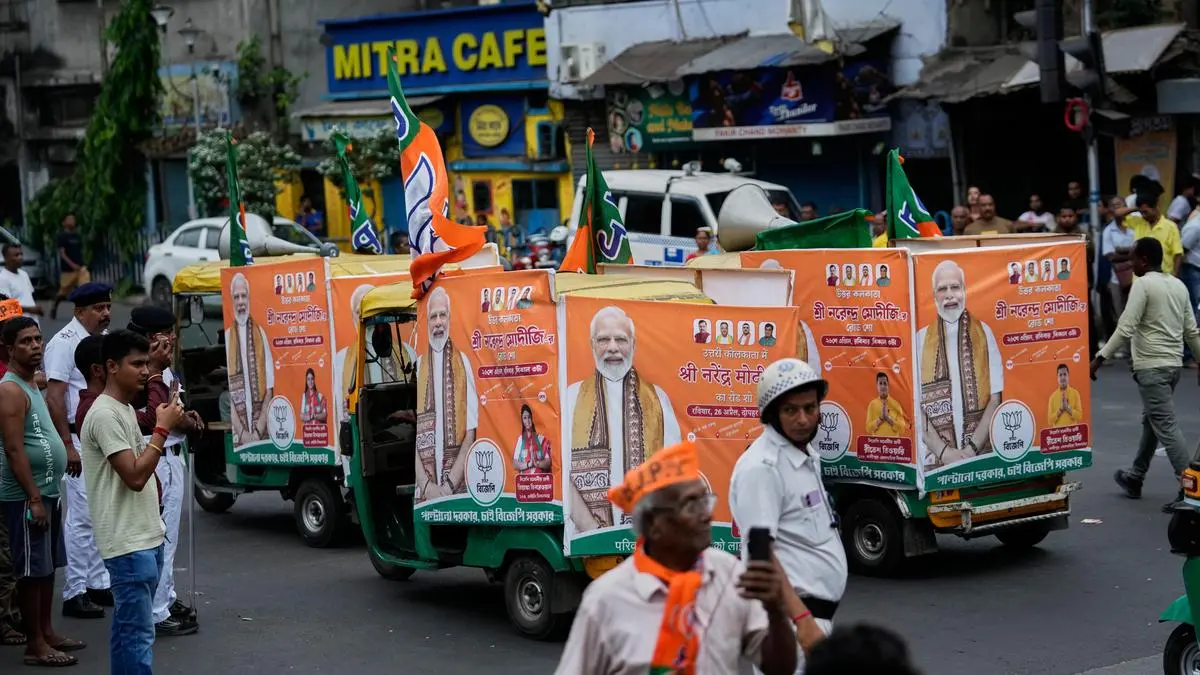
BJP's Bengal Ceiling: Why 100 Seats May Be the New 177
West Bengal votes April 23 and 29, with results on May 4. The BJP's floor and ceiling tell very different stories.
The West Bengal Assembly election is already underway — Phase 1 voting across 152 seats took place April 23, with Phase 2 on April 29 and results due May 4. The BJP entered this campaign with Suvendu Adhikari, its Leader of Opposition, publicly claiming a 177-seat majority in a 294-seat house. That number is almost certainly a ceiling, not a forecast. The real question is whether the party can clear 100 — a threshold that, by historical precedent, it has never earned on the structural terms Bengal demands.
The Lok Sabha Test BJP Failed
Frontline's framing cuts to the core: West Bengal has never handed 100 or more Assembly seats to an Opposition party that couldn't first win a Lok Sabha election in the state. The BJP failed that test in 2024, when it slipped from 18 Lok Sabha seats in 2019 to just 12 — a significant setback in the very electoral cycle that was supposed to validate its Bengal momentum. TMC, meanwhile, swept 29 of 42 parliamentary seats, reasserting Mamata Banerjee's structural dominance heading into 2026.
That Lok Sabha reversal matters because Bengal's voters have historically used parliamentary elections as a stress test for state-level Opposition viability. BJP cleared the Lok Sabha test partially in 2019, which powered its 77-seat haul in the 2021 Assembly election — its best-ever result. But 2024 erased that credibility signal. Without a Lok Sabha mandate, the party heads into 2026 asking voters to make a larger leap on state governance grounds alone.
TMC's Structural Advantage — and Its Vulnerabilities
Political scientist Maidul Islam, writing in Frontline, projects TMC could secure 185–226 seats depending on consolidation dynamics. That range is wide enough to be honest: everything depends on whether Mamata Banerjee's welfare architecture — anchored by direct transfer schemes and a ₹1,500 monthly youth allowance in her manifesto — outcompetes BJP's counter-offer of ₹3,000 for unemployed youth.
TMC's liabilities are real. The party faces persistent corruption allegations across teacher recruitment, MGNREGA disbursements, and cyclone-relief funds — precisely the attack lines PM Modi hammered at rallies in Medinipur. Amit Shah has meanwhile made a targeted play for North Bengal, promising to resolve the Gorkha political issue if BJP wins — a region where the party has historically overperformed. The deployment of 2,450 Central paramilitary forces for Phase 1 signals the Election Commission's concern about violence, itself a reminder of how contested the state's political geography remains.
India's political dynamics increasingly hinge on whether BJP can convert national incumbency advantages into state-level wins — and Bengal has been its most stubborn outlier.
What to Watch on May 4
Three numbers matter when results drop:
- 100 seats — the historical credibility threshold for BJP. Falling short reinforces that TMC's state machine is structurally unbeatable without a Lok Sabha mandate first.
- 148 seats — the majority line. Any TMC result below this forces a coalition reckoning; any BJP result above it is a political earthquake with national implications.
- North Bengal seat count — if BJP sweeps Darjeeling, Cooch Behar, and Jalpaiguri districts, it signals the Gorkha play worked and gives the party a geographic base for 2029.
Mamata Banerjee's fourth term is the consensus expectation. The real verdict on May 4 is not if TMC wins — it is how badly BJP loses, and whether the party's Bengal project survives another cycle intact.
Sources: The Hindu – Suvendu seat claim |
Frontline – Communal politics analysis |
The Hindu – Phase 1 campaigning |
Frontline – 100-seat analysis
Discover more
India
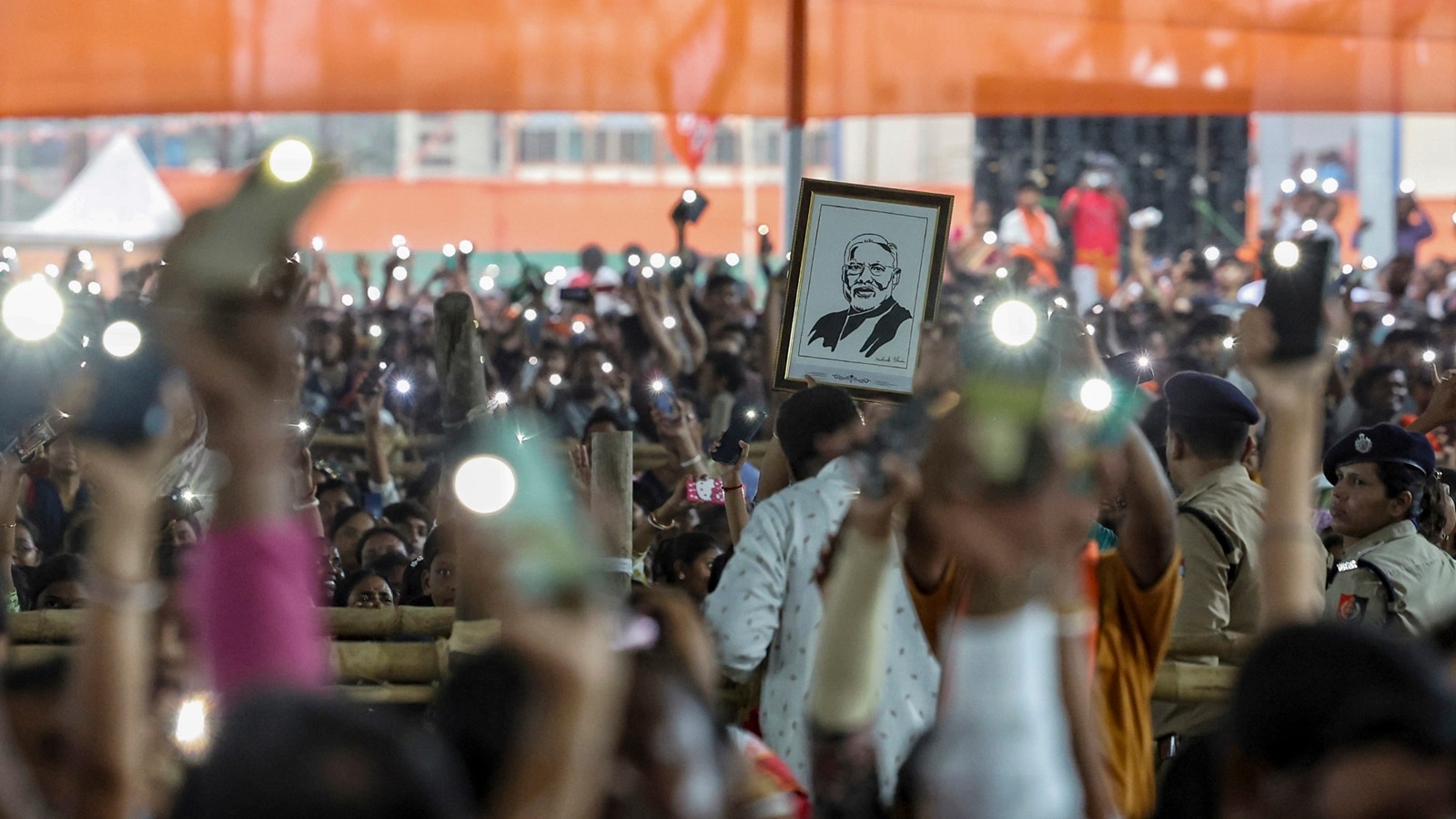
Modi's Women’s Convention in Varanasi
Modi's Varanasi rally frames women's reservation as a national mission, targeting the 2027 Uttar Pradesh elections with a strategic narrative.
India
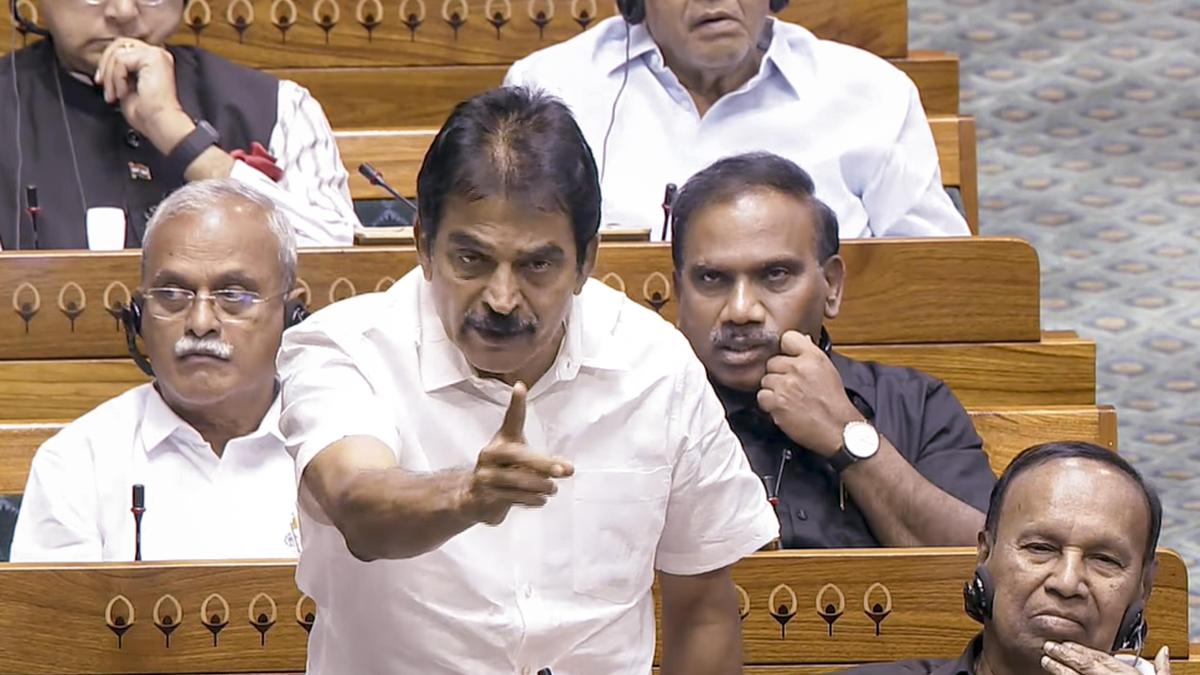
BJP's Delimitation Strategy
Congress leader K.C. Venugopal claims the BJP uses women's reservation to advance delimitation, raising fears over electoral fairness ahead of the 2029 polls.

Conflict & Security
Drone Warfare Killing Aid Workers at Unprec
Over 1,000 humanitarian workers killed in three years as cheap armed drones collapse legal protections. Gaza, Sudan, Ukraine, and DRC see deliberate targeting of aid convoys and hospitals with zero prosecutions.

Global
World Normalises Taliban as Afghan Women Eras
UN data shows Afghan women erased from public life as Russia recognises the Taliban, EU hosts officials in Brussels, and ICC warrants for gender persecution go unenforced.